Babar Azam, Mohsin Naqvi meet King Charles III amid England tour turmoil
Source Entity
SHUBHANSHU DWIVEDI
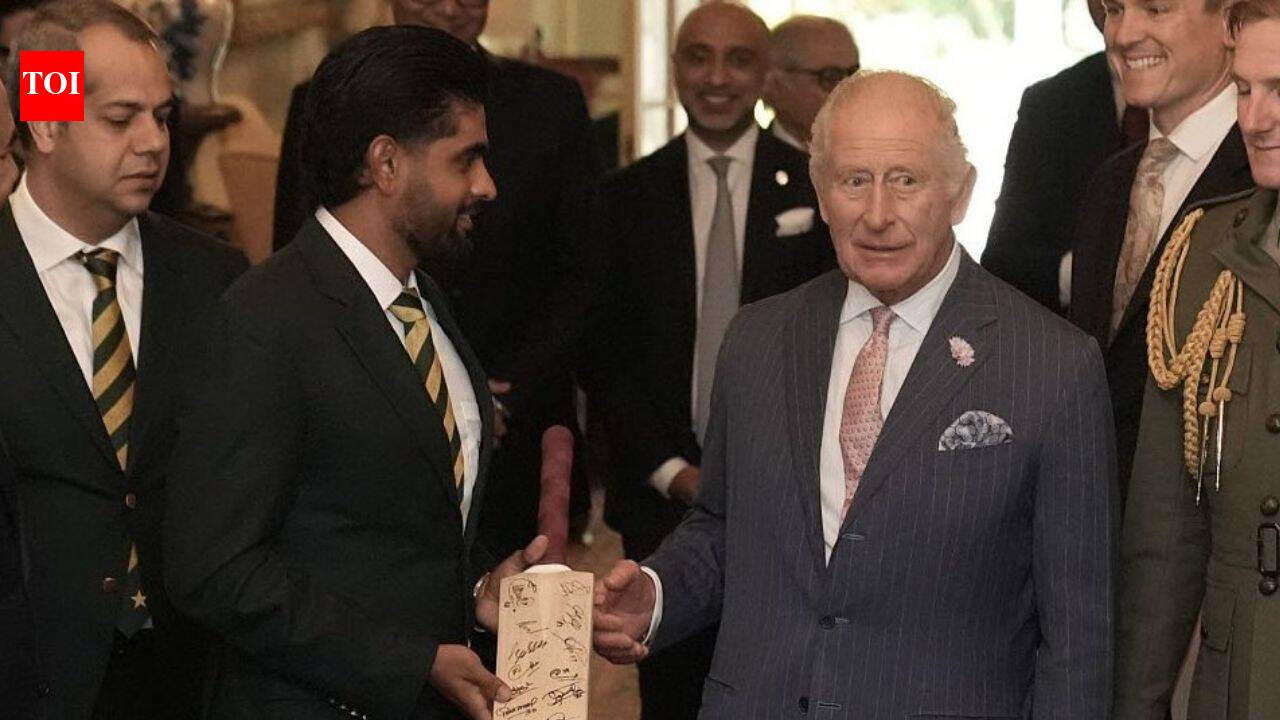
Babar Azam and PCB chairman Mohsin Naqvi met King Charles III at Clarence House during a period of turmoil for the Pakistan cricket team. The visit was marked by internal friction, as some players expressed reluctance to attend following recent squad reshuffles and coaching changes.
Diplomatic Cricket: The Clarence House Visit
On September 2, the Pakistan cricket team, led by captain Babar Azam and PCB Chairman Mohsin Naqvi, participated in a high-profile diplomatic engagement at Clarence House. The meeting with King Charles III was intended as a gesture of international goodwill, highlighted by the presentation of a team-signed bat. This event occurred against the backdrop of a challenging tour, where the team's performance on the field necessitated a focus on soft diplomacy to maintain positive bilateral relations during a period of athletic struggle.
Internal Turmoil and Squad Volatility
The visit occurred amidst significant instability within the Pakistan cricket camp. Recent losses to England prompted a radical overhaul of the team’s structure, including the controversial sacking of coach Sarfaraz Ahmed and the subsequent appointment of Mike Hesson. Such drastic management shifts often exacerbate underlying tensions within a squad, and the directive for players—including those recently dropped from the Test roster—to attend the royal meeting created a point of friction rather than unity.
The Politics of Participation
Internal discord reached a boiling point regarding the mandatory nature of the royal invitation. Reports indicate that several players who had been dropped from the Test squad were instructed to attend the meeting with the King. While four players complied despite their reservations, one individual took the bold step of refusing to attend in protest. This act of defiance underscores the depth of the current dissatisfaction within the team ranks regarding recent administrative decisions and the handling of player selection.
Broader Implications for Pakistan Cricket
The intersection of top-level sports management and state-level diplomacy is complex. For the Pakistan Cricket Board, the meeting was likely an attempt to project stability and grace despite the team's poor performance. However, the refusal of a player to participate publicly highlights a lack of cohesion that can be detrimental to team morale. When administrative mandates clash with player sentiment, it often signals a deeper disconnect between the board's leadership and the athletes themselves.
Future Trends and Outlook
Looking ahead, the PCB faces the dual challenge of rebuilding its competitive edge under Mike Hesson while mending internal fractures. The reliance on high-profile diplomatic events to bolster the board's image may prove ineffective if the core issue—team performance and squad harmony—is not addressed. As the team moves forward, the success of the new coaching regime will likely depend on their ability to unify a disillusioned group of players and restore confidence in the selection process.