Former Ukrainian defence minister launches Palantir-backed defence tech firm
Source Entity
TOI TECH DESK
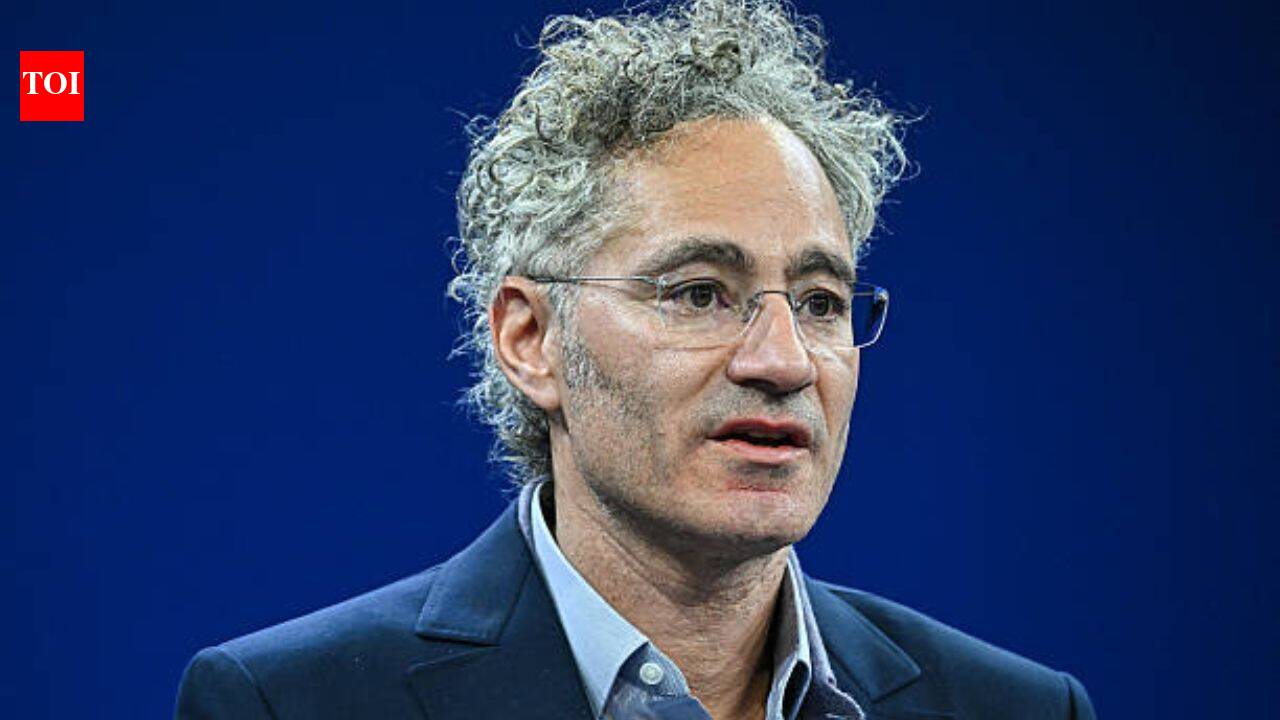
Former Ukrainian official Mykhailo Fedorov has launched a new defense technology firm backed by Palantir CEO Alex Karp. The venture aims to export battle-tested Ukrainian innovations to allied nations, transforming wartime experiences into scalable technological products.
The Intersection of Wartime Innovation and Global Defense
The recent announcement that former Ukrainian Defense Minister Mykhailo Fedorov has launched a new defense technology firm marks a significant shift in how modern conflicts influence global military industrial strategies. By securing Alex Karp, the CEO of Palantir, as the primary investor, this venture bridges the gap between frontline combat intelligence and high-level data analytics. This partnership is not merely a financial transaction but a strategic alignment designed to formalize the export of Ukraine’s unique battlefield lessons into a structured product ecosystem for Western allies.
Transforming Battlefield Experience into Technology
Ukraine has become a living laboratory for modern warfare, characterized by the rapid deployment of drones, AI-driven targeting, and decentralized communication networks. The new firm founded by Fedorov aims to capture these real-world data points and operational successes, refining them into advanced tech solutions. By utilizing the expertise gained during the ongoing conflict with Russia, the company intends to offer scalable products that address the evolving requirements of modern military engagements, ensuring that the innovations born from necessity are not lost to history but integrated into the defensive postures of allied nations.
The Role of Strategic Partnerships
Alex Karp’s involvement as the lead investor signals a deep confidence in the durability and relevance of Ukrainian military technology. Palantir has already established itself as a critical player in providing data analytics to the Ukrainian government, and this new investment suggests an expansion of that relationship from a client-provider model to one of collaborative product development. Karp’s public endorsement, noting the potential to offer these experiences as a product, underscores a broader trend where private sector technology firms are becoming the primary architects of national security infrastructure.
Implications of Fedorov’s Transition
Following his departure from government service, Fedorov has positioned himself as a pivotal figure in the post-war reconstruction and technological evolution of Ukraine. His transition from a high-ranking official to a tech entrepreneur highlights the importance of institutional knowledge in the private sector. By leveraging his background, he is uniquely positioned to identify which battlefield technologies are most effective and which have the highest potential for international adoption, effectively commercializing the resilience of the Ukrainian defense sector.
Future Trends in Military Tech
Looking ahead, this venture likely signals the start of a wave of 'wartime-born' tech companies seeking to establish a permanent footprint in global defense markets. As nations reassess their military hardware and software needs in light of the conflict in Eastern Europe, there is an increased demand for agility and software-defined defense. This firm represents a shift toward more rapid, iterative development cycles, moving away from traditional, slow-moving defense procurement processes toward a model that mimics the responsiveness of Silicon Valley.
Conclusion
The partnership between Fedorov and Karp represents a milestone in the integration of real-time conflict data into the global defense market. By turning the harsh realities of the current war into actionable technological products, this venture could fundamentally alter how allied nations approach modernization, training, and strategic planning for the next generation of potential conflicts.