‘Badr MoU’ won’t put New Delhi-Jakarta missile contracts in jeopardy, experts say
Source Entity
SURENDRA SINGH
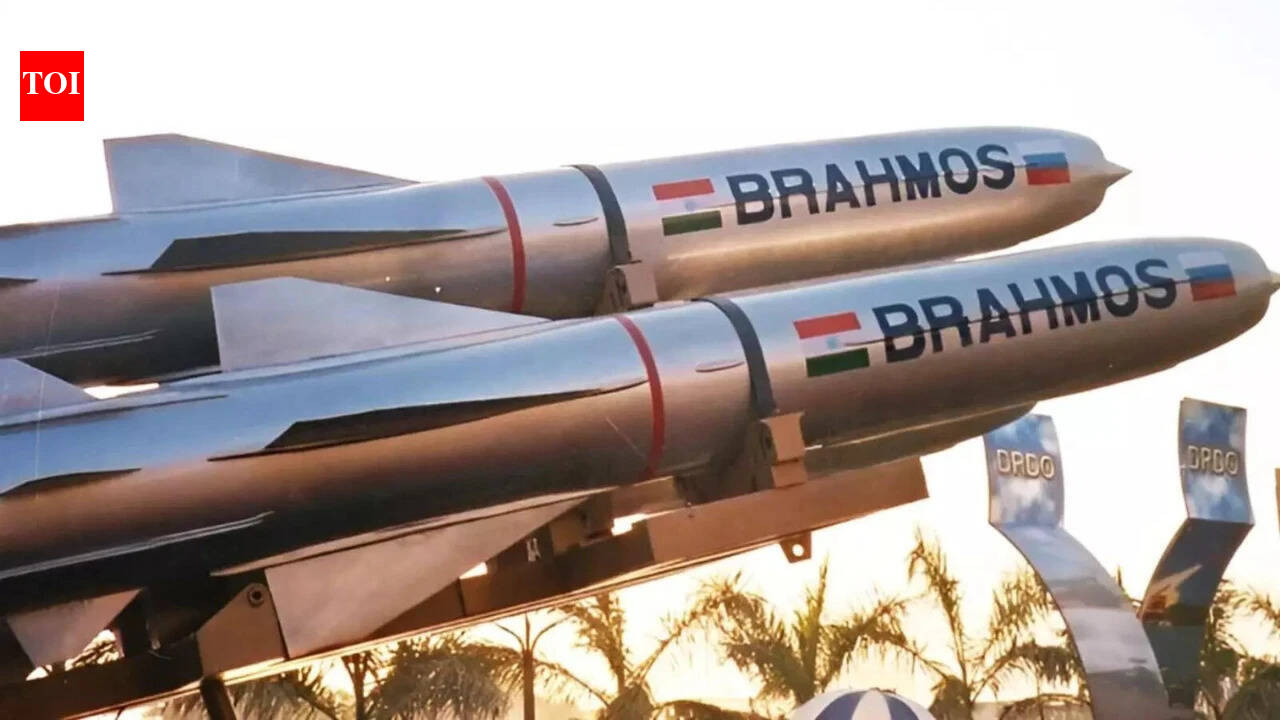
The newly signed 'Badr MoU' between Indonesia, Turkiye, Qatar, and Pakistan is unlikely to impact India's existing defence contracts with Jakarta. Experts confirm that India's agreements include strict safeguards, limiting technology sharing to user manuals rather than sensitive transfer-of-technology protocols.
Assessing the Impact of the 'Badr MoU' on Indo-Indonesian Defence Ties
Recent developments in international defence diplomacy have sparked questions regarding the stability of India’s strategic partnership with Indonesia. The signing of the ‘Badr Memorandum of Understanding’ (MoU) in Doha—a collaborative effort involving Turkiye, Qatar, Pakistan, and Indonesia—has prompted industry analysts to evaluate whether this new multilateral framework could jeopardize existing bilateral defence contracts, particularly those involving advanced Indian-made weaponry like the BrahMos and Astra missile systems.
The Nature of India-Indonesia Defence Agreements
According to Sudhir Kumar Mishra, DRDO chair (emeritus) and former CEO & MD of BrahMos Aerospace, the foundation of India’s defence exports to Indonesia is built on robust legal and technical safeguards. These agreements are structured to ensure that only operational documentation—specifically user manuals—is shared with the Indonesian military. By strictly withholding 'transfer of technology' (ToT) manuals, India maintains control over the core intellectual property and sensitive technical schematics of its missile platforms.
Operational Dependency as a Safeguard
Beyond contractual safeguards, there is a deep-seated operational dependency that secures the longevity of these agreements. Indonesia requires ongoing Original Equipment Manufacturer (OEM) support from India to effectively operate, maintain, and eventually perform life-extension procedures on the BrahMos and Astra missiles. This lifecycle management requirement ensures that India remains an indispensable partner for Indonesia’s long-term defence readiness, regardless of other multilateral MoUs Jakarta may sign.
Analyzing the 'Badr MoU' Framework
The Badr MoU aims to bolster military production, research, and development among its signatories—Turkiye, Qatar, Pakistan, and Indonesia. While the Turkish defence ministry has framed this initiative as a move to leverage unique production capabilities and enhance industrial capacity, it is primarily a collaborative framework for training and resource sharing. Analysts suggest that such agreements are often broad in scope and do not automatically supersede or conflict with specific, high-tech bilateral missile contracts already in place.
Strategic Implications and Future Outlook
India’s approach to defence exports is increasingly defined by a balance between strategic autonomy and international cooperation. By providing advanced platforms while maintaining control over the technical 'black box' of these systems, India has successfully positioned itself as a reliable defence partner in the Indo-Pacific. The Badr MoU, while indicative of Indonesia’s desire to diversify its military partnerships, does not inherently alter the technical necessity of Indian support for the specific systems already procured by Jakarta.
Conclusion
In conclusion, the 'Badr MoU' is unlikely to disrupt the trajectory of India-Indonesia defence ties. The combination of restrictive technology-sharing policies and the practical, ongoing need for OEM support ensures that India’s strategic interests remain protected. As India continues to expand its footprint in the global defence market, maintaining these high-standard safeguards will remain a cornerstone of its export policy, ensuring that bilateral agreements remain resilient against shifting geopolitical alignments.