Balaji’s ‘Singapore of social media’ begins with a wave of bans
Source Entity
Cointelegraph by Felix Ng
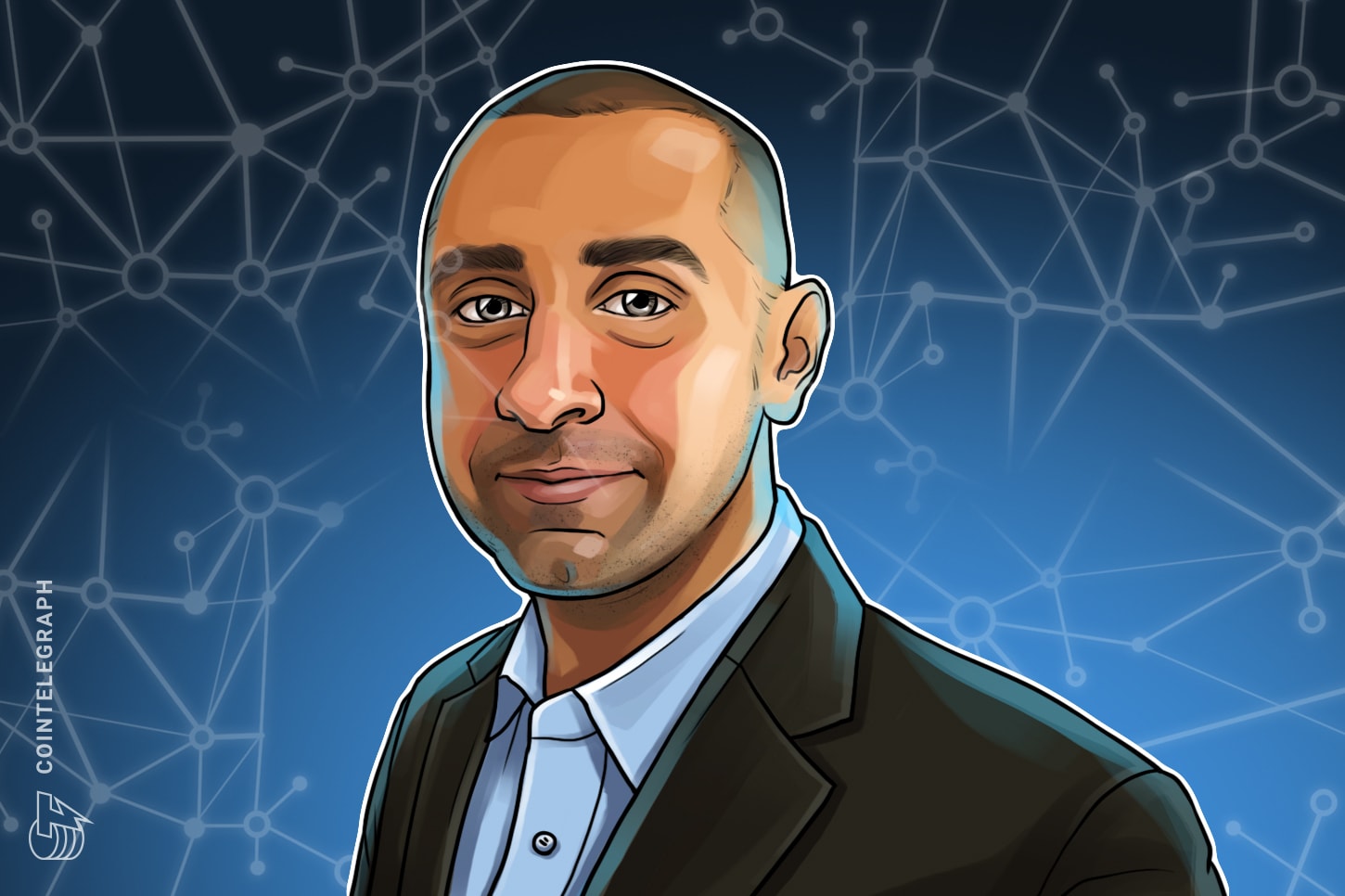
Balaji Srinivasan’s Network School has acquired Farcaster, rebranding it as the Network State Protocol. The transition has sparked controversy following a wave of account restrictions targeting existing users.
The Shift in Decentralized Social Governance
The landscape of decentralized social media is undergoing a significant transformation as Balaji Srinivasan, founder of Network School, has officially acquired Farcaster from Neynar. This acquisition, which includes the rebranding of the platform to the 'Network State Protocol,' marks a pivot toward a more curated, techno-optimist vision of digital interaction. Srinivasan has long advocated for the concept of 'network states,' and this move signals an attempt to operationalize his ideological framework within a live, decentralized ecosystem.
The 'Housekeeping' Controversy
Transitioning governance in a decentralized network is rarely seamless, and this acquisition has been marked by immediate friction. Following the acquisition announcement on Thursday, a notable wave of account restrictions hit the platform, with users reporting that their profiles had been downgraded to 'read-only' status. These restrictions were attributed to past posts that allegedly violated newly established guidelines, creating a sense of urgency and concern among the platform’s early adopters.
Impact on Community Identity
The sudden enforcement of new rules has prompted a backlash from the long-term user base, who view these actions as a departure from the platform's original ethos. Kunal Gandhi, the former India ecosystem lead, noted that many of the restricted users were instrumental in shaping Farcaster’s initial culture. By targeting the 'quirks and wit' that defined the network, the new management risks alienating the very community that provided the platform with its initial social gravity.
Techno-Optimism vs. Content Moderation
At the heart of this conflict is the tension between the ideal of a permissionless, decentralized network and the desire to build a 'haven for well-mannered techno-optimists.' While Srinivasan aims to refine the discourse to align with his vision, the implementation of bans suggests a top-down approach that contrasts with traditional decentralized governance models. This move highlights the difficulties of maintaining a specific cultural tone while attempting to foster a global, decentralized social graph.
Broader Implications for Decentralized Social Media
This event serves as a case study for the challenges inherent in the 'protocol-as-a-service' model of social media. As decentralized platforms mature, the influence of high-profile figures and institutional investors is becoming more pronounced, often leading to clashes with the egalitarian roots of the Web3 space. The outcome of the Network State Protocol’s transition will likely influence how future decentralized platforms balance community autonomy with ideological branding.
Future Outlook
The long-term viability of the Network State Protocol depends on whether Srinivasan can successfully integrate his vision without eroding the platform's core utility. If the current wave of bans continues, the platform may face a significant exodus of talent and users to competing protocols. Conversely, if the new guidelines succeed in cultivating a focused, high-value community, it could set a precedent for how niche, ideology-driven social networks operate in the future.