A week with the Asus ProArt P16: NVIDIA RTX Spark is unusual yet powerful
Source Entity
Anuj Bhatia
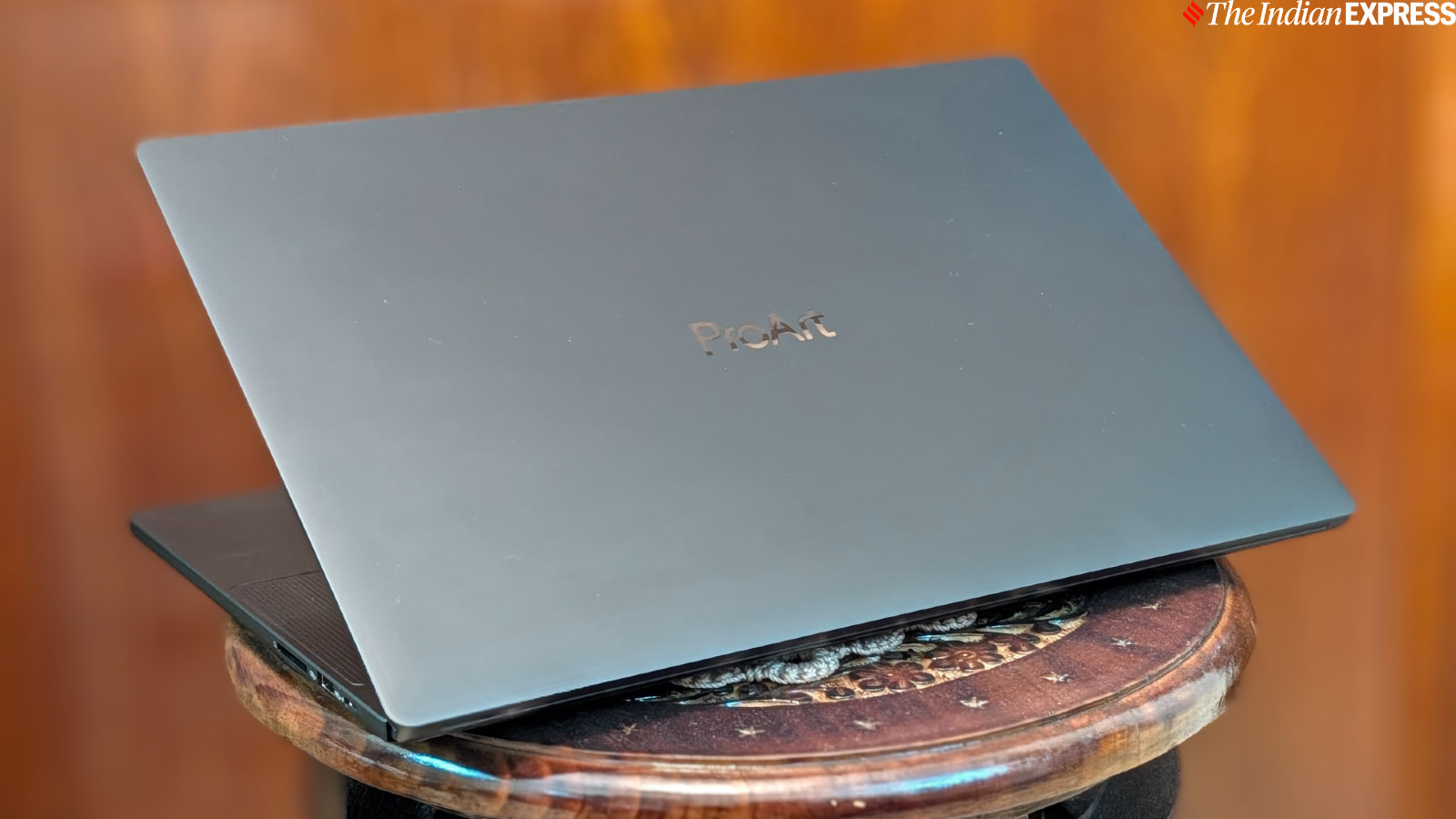
The Asus ProArt P16, featuring Nvidia's new RTX Spark SoC, marks a significant shift in the Windows-on-ARM laptop market. Early testing suggests it offers competitive performance that challenges the long-standing dominance of Apple's MacBook Pro.
A New Contender in the Productivity Landscape
For years, the professional laptop market has been defined by the shadow of Apple’s MacBook Pro. As the industry's self-appointed gold standard, the MacBook Pro has historically set the benchmark for power, efficiency, and build quality, often leaving Windows-based manufacturers struggling to keep pace. The recent unveiling of the Asus ProArt P16, however, signals a potentially seismic shift in this dynamic, as it leverages cutting-edge hardware to challenge Apple’s silicon dominance.
The Emergence of Nvidia’s RTX Spark
At the heart of the Asus ProArt P16 lies Nvidia’s brand-new RTX Spark SoC. This component is the primary differentiator, representing a bold move into the Windows on ARM ecosystem. Unlike traditional x86 architecture, the move to ARM-based processors is designed to maximize power efficiency without sacrificing the raw performance required for high-end creative workflows. Early impressions from the San Francisco reveal indicate that this first-generation SoC is not merely a prototype but a highly capable engine for professional productivity.
Architectural Shifts and Performance Potential
The integration of the RTX Spark SoC into a chassis like the ProArt P16 suggests that Nvidia and Asus are targeting the core demographic currently served by Apple’s high-end notebooks: content creators, designers, and engineers. Historically, Windows laptops have struggled to balance thermal management with high-performance output, but the ARM-based architecture provides a new pathway to achieving that balance. If the raw power observed in initial benchmarks holds true, this could be the first major step toward parity between Windows and macOS devices.
Challenges of a New Platform
Despite the excitement surrounding the hardware, the transition to Windows on ARM is not without its hurdles. Ecosystem compatibility remains the primary test for the ProArt P16. While the SoC shows impressive raw power, its success will depend on how software developers optimize their applications for the ARM instruction set. As the platform matures, the industry will be watching closely to see if software stability can match the aggressive performance metrics showcased by the RTX Spark.
Future Trends and Market Implications
Should the Asus ProArt P16 prove successful, it will likely trigger a wave of competition in the premium ARM-laptop sector. Other manufacturers will undoubtedly be watching these performance results to determine if they should pivot their flagship lineups away from traditional x86 architectures. This move could redefine the 'Pro' laptop category, moving the industry toward a future where efficiency-first designs are no longer a compromise, but a standard requirement for professional computing.
Conclusive Summary
In conclusion, the Asus ProArt P16 represents a compelling evolution in hardware design. By pairing Nvidia's RTX Spark SoC with the Windows on ARM platform, Asus has created a device that finally looks and acts like a genuine competitor to the MacBook Pro. While the platform is still in its infancy, the initial performance indicators suggest a promising future for professional Windows computing.