Is all well in Balen Shah's Nepal? Why protests are testing his promise of change
Source Entity
VIVEK DUBEY
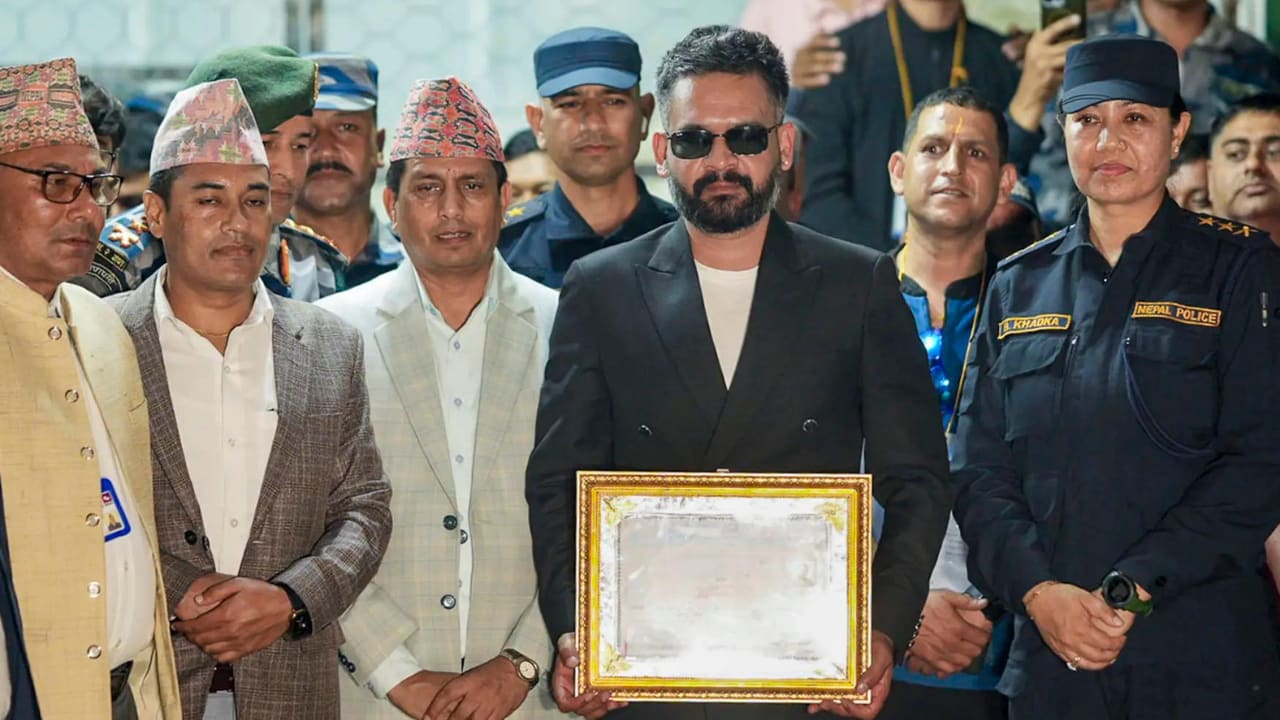
Nepal's Prime Minister Balen Shah is facing a wave of protests from his original youth base just 100 days into his tenure. The unrest signals growing disillusionment with the pace and nature of his promised reforms.
The Honeymoon Ends: Balen Shah’s Challenging First 100 Days
Just over 100 days into his administration, Nepal's Prime Minister Balen Shah finds himself at a critical political crossroads. Once the darling of a youth-led movement that clamored for systemic change and administrative efficiency, Shah is now grappling with vocal protests from the very demographic that propelled him to power. This rapid shift in public sentiment highlights the volatile nature of populist politics in Nepal, where the transition from campaign rhetoric to governance often meets the immovable wall of institutional bureaucracy.
The Erosion of Youth Support
The core of this unrest stems from a perceived disconnect between the ambitious promises made during the election cycle and the tangible outcomes delivered during his initial months in office. Many young supporters, who viewed Shah as a symbol of anti-establishment disruption, are expressing frustration over the slow pace of reform. In the context of Nepalese politics, where historical reliance on traditional parties has left a legacy of cynicism, Shah’s inability to immediately overhaul deep-seated issues has catalyzed a sense of betrayal among his base.
Analyzing the Governance Gap
Governance in a post-transition democracy like Nepal requires balancing the high expectations of a digitally savvy, impatient youth population with the constraints of a complex coalition and administrative machinery. The current protests suggest that the Prime Minister’s strategy for change may be encountering resistance from existing power structures, or perhaps falling short of the radical transparency and efficiency his voters demanded. This 'governance gap' often occurs when leaders struggle to reconcile their campaign idealism with the procedural realities of the Prime Minister's office.
The Broader Implications for Nepalese Politics
The ongoing protests serve as a barometer for the health of Nepal’s democratic experiment. If the youth, who represent the largest voting bloc, continue to distance themselves from the administration, it could lead to a broader loss of legitimacy. Historically, Nepalese politics has been dominated by entrenched party interests; Shah's rise was intended to break this cycle. The current friction suggests that the battle between 'new politics' and 'traditional governance' is far from over, and the outcome will dictate the trajectory of the nation’s political landscape for years to come.
Future Trends and Strategic Outlook
Looking ahead, Prime Minister Shah faces a delicate balancing act. To regain the trust of his supporters, he must demonstrate concrete, visible progress while simultaneously managing the expectations of a public that is increasingly unwilling to tolerate bureaucratic delays. Future trends will likely depend on his administration's ability to pivot toward more inclusive policy-making and effective communication. Failure to address these grievances could not only weaken his current government but also pave the way for a new wave of political fragmentation as voters search for alternatives that can deliver on the promise of tangible change.