‘Thought it was joke’: Ex-Belgium coach on Balogun’s World Cup red card reversal
Source Entity
The Indian Express
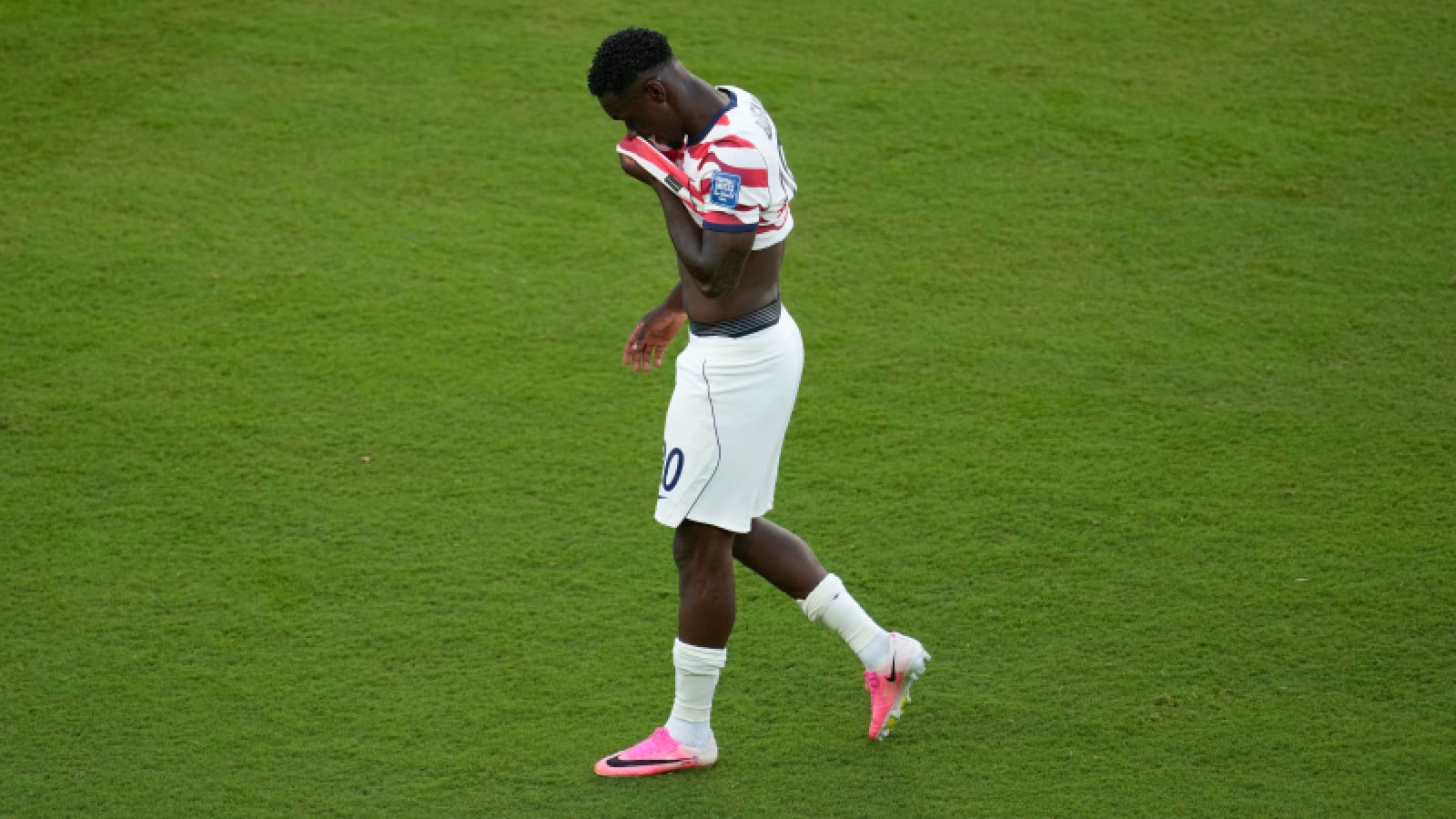
Former Belgium coach Rudi Garcia expressed disbelief after US striker Folarin Balogun's red card was rescinded by FIFA ahead of a match against Belgium. The reversal, reportedly aided by US President Donald Trump, has sparked controversy regarding the influence of politics in sports.
The Intersection of Politics and Pitch: The Balogun Controversy
In a revelation that has sent shockwaves through the international football community, former Belgium manager Rudi Garcia has publicly addressed the extraordinary circumstances surrounding Folarin Balogun’s availability for the 2026 FIFA World Cup. During the United States' Round of 32 clash against Bosnia and Herzegovina, Balogun was issued a red card following a foul on defender Tarik Muharemovic. Under standard tournament regulations, this dismissal should have resulted in an automatic suspension for the subsequent Round of 16 match against Belgium.
A Departure from Standard FIFA Protocol
Typically, FIFA’s disciplinary committee operates with a degree of autonomy, maintaining a clear separation between political influence and on-field officiating. The decision to rescind Balogun’s red card, however, appears to have bypassed these conventional safeguards. Garcia’s reaction—initially dismissing the news as a "joke"—highlights the astonishment felt by professionals who operate under the assumption that tournament rules are absolute and insulated from external pressure.
The Presidential Influence
Central to this narrative is the reported intervention of US President Donald Trump. While heads of state often engage in ceremonial roles during global sporting events, the direct involvement of a political leader in the reversal of a disciplinary decision is unprecedented in modern football. This incident suggests a significant shift in how international sports governing bodies may interact with powerful political figures, potentially creating a new, albeit controversial, precedent for player eligibility.
Implications for Sports Governance
This incident raises critical questions regarding the integrity of FIFA’s disciplinary process. If high-level political intervention can influence the outcome of disciplinary hearings, it threatens to undermine the perceived neutrality of the sport. For a manager like Garcia, preparing a team to face an opponent, the sudden reinstatement of a key striker like Balogun fundamentally alters the tactical landscape of the match, forcing a last-minute recalibration of defensive strategies.
Looking Ahead: The Future of Political Interference
As we look to future tournaments, the Balogun case will likely serve as a case study for the risks of politicizing sports. If the barrier between political power and athletic regulation continues to blur, fans and stakeholders may demand greater transparency from FIFA to ensure that on-field outcomes remain decided by the players rather than external influence. The legacy of this 2026 World Cup match may ultimately be defined not by the scoreline, but by the precedent set during these contentious days of administrative maneuvering.