"Stressful": Bangkok Residents Battle Flooded Streets, 7 Lakh Affected
Source Entity
NDTV News Search Records Found 1000
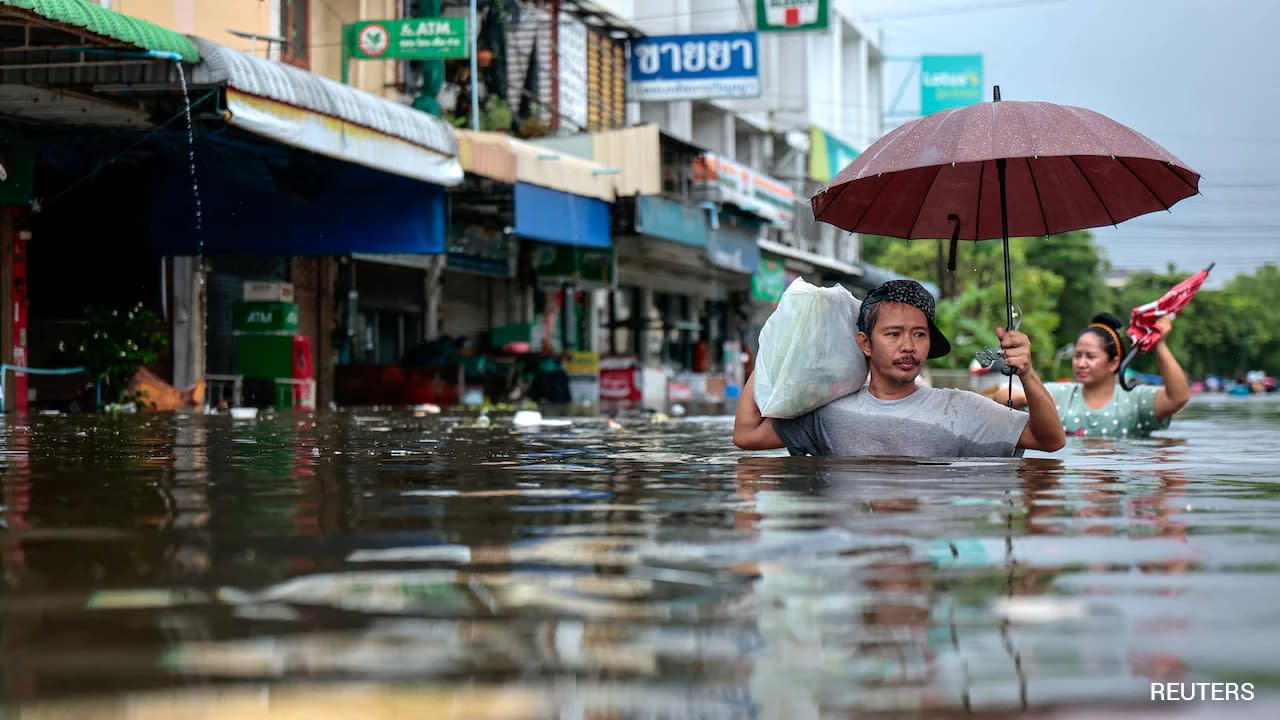
Bangkok is grappling with severe flooding after receiving a month's worth of rainfall in just three days. The deluge has caused widespread disruption, including flight delays and the tragic loss of 23 lives across Thailand since mid-September.
Bangkok Submerged: A City Under Siege by Unprecedented Rainfall
Bangkok, a global hub for tourism and commerce, is currently facing a harrowing environmental crisis. The Thai capital has been left reeling after experiencing a deluge that dumped approximately 320 mm (12.6 inches) of rain in just under 72 hours—a staggering volume that typically characterizes the city’s entire monthly rainfall for September. This extreme weather event has transformed streets into waterways and brought daily life to a standstill.
The Human and Infrastructural Toll
The impact of this weather pattern has been catastrophic, with eastern Bangkok bearing the brunt of the inundation. The flooding has disrupted critical transport infrastructure, resulting in significant flight delays and logistical chaos at the city’s airports, particularly regarding baggage handling. Beyond the inconvenience to travelers, the situation is dire for residents, with reports of individuals navigating submerged neighborhoods in inflatable boats, highlighting the severity of the infrastructure failure in the face of such intense precipitation.
Broader Implications of the Thai Deluge
This crisis is not isolated to the capital. Nationwide, the death toll from flooding since mid-September has climbed to 23, underscoring the lethal nature of the monsoon season’s peak. The government’s declaration of a city-wide disaster reflects the gravity of the situation and the strain placed on emergency response services. The 7 lakh individuals affected face significant health and safety risks as floodwaters persist in low-lying urban areas.
Response and Recovery Projections
In response to the mounting pressure, Thai authorities have provided a tentative timeline for recovery. Government officials have estimated that if the rainfall subsides, the floodwaters in Bangkok could recede within three days. This projection serves as a critical benchmark for the city's recovery efforts, though it remains contingent on the volatile weather patterns that have already defied expectations this season.
Historical Context and Future Trends
Bangkok’s geography—characterized by its low-lying terrain and proximity to the Chao Phraya River—has historically made it vulnerable to flooding. However, the intensity of this current event suggests a tightening pattern of extreme weather. As urban density increases, the capacity of city drainage systems is frequently tested. Future urban planning in Bangkok will likely need to prioritize robust flood mitigation strategies and resilient infrastructure to cope with the increasingly unpredictable intensity of the monsoon cycle.
Conclusion
As the city remains on high alert, the focus remains on the safety of the affected residents and the stabilization of transport corridors. While the immediate goal is the recession of floodwaters, the event serves as a stark reminder of the challenges posed by extreme environmental shifts in rapidly developing Southeast Asian capitals.
Verification Required?