Lives 'will be lost' unless UK does more to combat wildfires, committee chairwoman says
Source Entity
BBC News
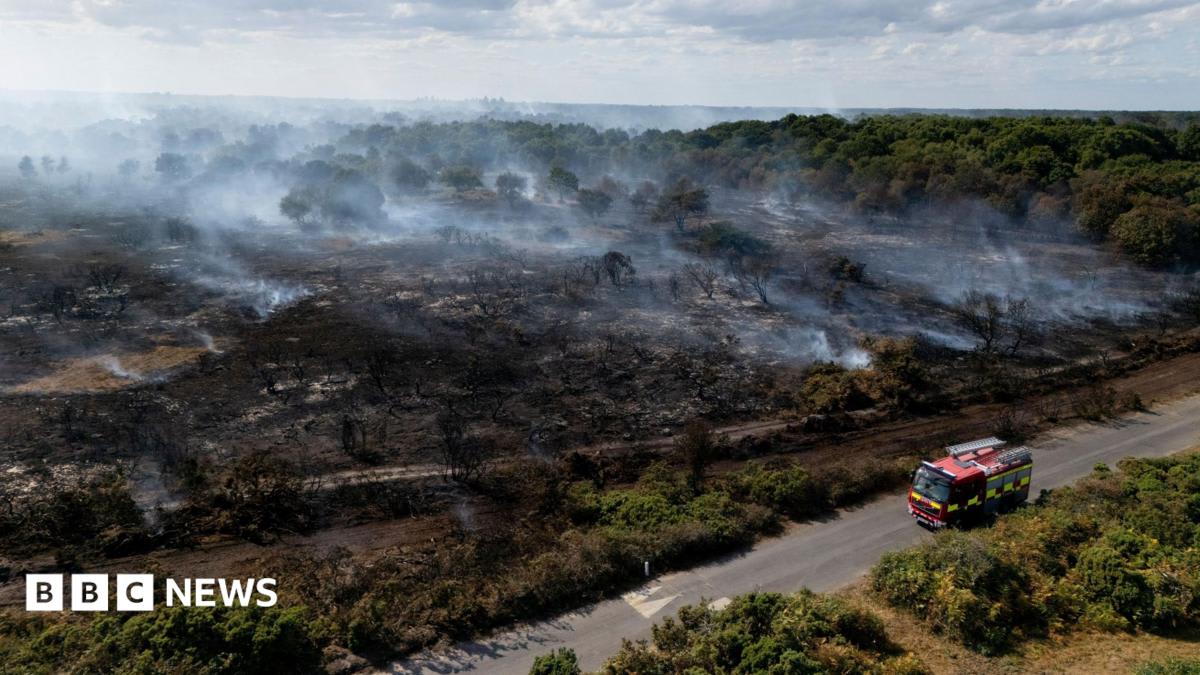
The UK's Climate Change Committee has issued a stark warning that lives will be at risk unless the government improves wildfire preparedness. Despite recent record-breaking fire activity, officials are urging better training and strategic planning to combat the effects of a warming climate.
The Escalating Threat of UK Wildfires
The recent assertion by Baroness Brown, chairwoman of the UK's Climate Change Committee (CCC), marks a critical turning point in the national discourse on climate adaptation. By stating that lives 'will be lost' without immediate intervention, the CCC is highlighting a growing gap between current emergency response capabilities and the rapidly evolving reality of a warmer, drier British climate.
A Record-Breaking Season of Destruction
This warning follows a summer characterized by an unprecedented number of wildfires across England and Wales. The human and structural toll has already been significant, evidenced by the tragic death of a man in Gloucestershire and the destruction of 19 homes near Birmingham. Furthermore, the evacuation of villagers in the Cairngorms illustrates that this is not merely a regional issue but a nationwide threat that transcends traditional geographic fire risk profiles.
The Climate Change Connection
Baroness Brown’s critique emphasizes that the current frequency and intensity of these blazes are intrinsically linked to global warming. Climate models consistently predict that the UK will face longer and more frequent dry spells, which turn landscapes into tinderboxes. The CCC argues that the UK's policy response has been reactive rather than proactive, failing to account for the structural changes required to mitigate these predictable environmental shifts.
Addressing the Preparedness Gap
At the heart of the debate is the necessity for comprehensive training and strategic planning. The current firefighting infrastructure, while highly capable in urban and structural settings, requires a fundamental shift to address the complexities of landscape-scale wildfires. This involves not only equipment upgrades but also a cohesive national policy that integrates land management, public warning systems, and inter-agency coordination.
Government Response and Future Outlook
In response to these pressures, the UK government has committed nearly £100m toward national resilience capabilities, including the pilot of specially trained firefighting teams. While this represents a significant financial investment, the CCC suggests that the scale of the challenge requires sustained, long-term commitment. The future of UK wildfire management will likely depend on the effectiveness of these pilot programs and the government's willingness to integrate climate adaptation into every level of public safety planning.
Conclusion
The path forward necessitates a departure from traditional emergency management. As the UK confronts the reality of a changing climate, the integration of scientific climate data into emergency planning is no longer optional. Protecting citizens will require a holistic strategy that balances immediate firefighting tactics with long-term climate resilience, ensuring that the lessons learned from this record-breaking year lead to tangible improvements in national safety.