Jaishankar on US ties: Lack of understanding on India's cross-border terror concerns can impact relations
Source Entity
Latest News: Todays Latest News Headlines from India & World | Hindustan Times | Hindustan Times
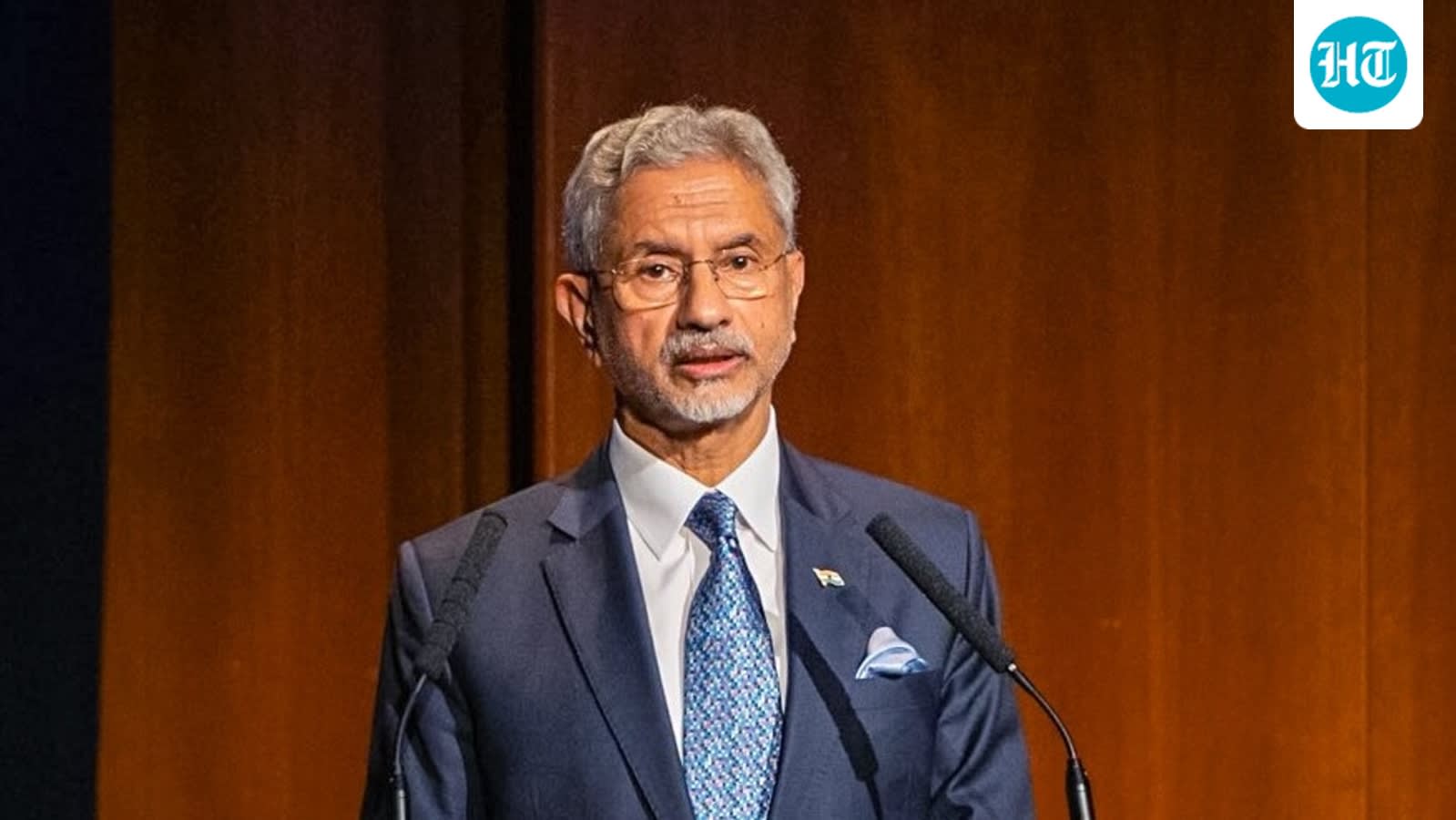
External Affairs Minister S. Jaishankar highlighted complexities in India-US trade negotiations and emphasized the need for better appreciation of India's counter-terrorism concerns. Simultaneously, he noted a gradual improvement in India-China relations as border issues move toward resolution.
Navigating Global Diplomacy: Jaishankar’s New York Assessment
During his visit to New York for the 81st session of the UN General Assembly, External Affairs Minister S. Jaishankar provided a candid assessment of India’s current geopolitical standing. Speaking at the Asia Society, he addressed the multifaceted nature of India’s relationship with the United States, acknowledging that while the strategic partnership is vital, it is not without significant friction points regarding trade and security.
The Complexity of India-US Trade
Jaishankar identified specific structural and policy-based hurdles currently stalling a comprehensive India-US trade deal. He noted that India’s unique economic structure has made negotiations more intricate than anticipated by initial projections. Furthermore, shifts within the United States' own tariff framework have introduced a layer of unpredictability, complicating the path toward a mutually beneficial agreement. These "bumps" in the road suggest that both nations are struggling to align their domestic economic priorities with their broader strategic goals.
Security Concerns as a Diplomatic Pillar
Beyond trade, the External Affairs Minister underscored that the bilateral relationship remains sensitive to how India’s partners perceive its security environment. Specifically, Jaishankar articulated that a lack of sufficient understanding regarding India’s concerns over cross-border terrorism—originating from Pakistan—could negatively impact the quality of the partnership. By signaling this to an American audience, he reinforced the message that security cooperation is not merely a peripheral issue but a foundational element of the India-US alliance.
The Shift in India-China Relations
In contrast to the challenges faced in Washington, Jaishankar offered a more optimistic outlook on India’s ties with China. Describing the current state of affairs as "better" than in recent years, he linked this improvement directly to the resolution of border standoffs. He clarified that the relationship is returning to normalcy as these territorial tensions subside, a process bolstered by high-level diplomatic engagements such as President Xi Jinping's recent visit to New Delhi for the BRICS Leaders' Summit.
Strategic Implications and Future Trends
Looking forward, the narrative presented by Jaishankar suggests a pragmatic, issue-based approach to foreign policy. The improvement in China ties, contrasted with the stalling of US trade talks, highlights the delicate balancing act India performs in a multipolar world. As India continues to integrate its economy, the pressure to harmonize domestic regulatory structures with international trade demands will likely increase.
Conclusion
Ultimately, Jaishankar’s remarks in New York serve as a reminder that diplomacy is a dynamic, non-linear process. Whether it is navigating the technicalities of trade tariffs with the US or managing the delicate normalization of relations with China, India’s foreign policy is increasingly defined by its ability to secure national interests while maintaining strategic autonomy. The coming years will likely test the durability of these partnerships as India seeks to solidify its position as a key global player.
Multiple Citing Sources
Verification Required?