Students should remain connected with peers, faculty to enrich themselves, says Deputy High Commissioner of Bangladesh
Source Entity
India Latest News: Top National Headlines Today & Breaking News | The Hindu
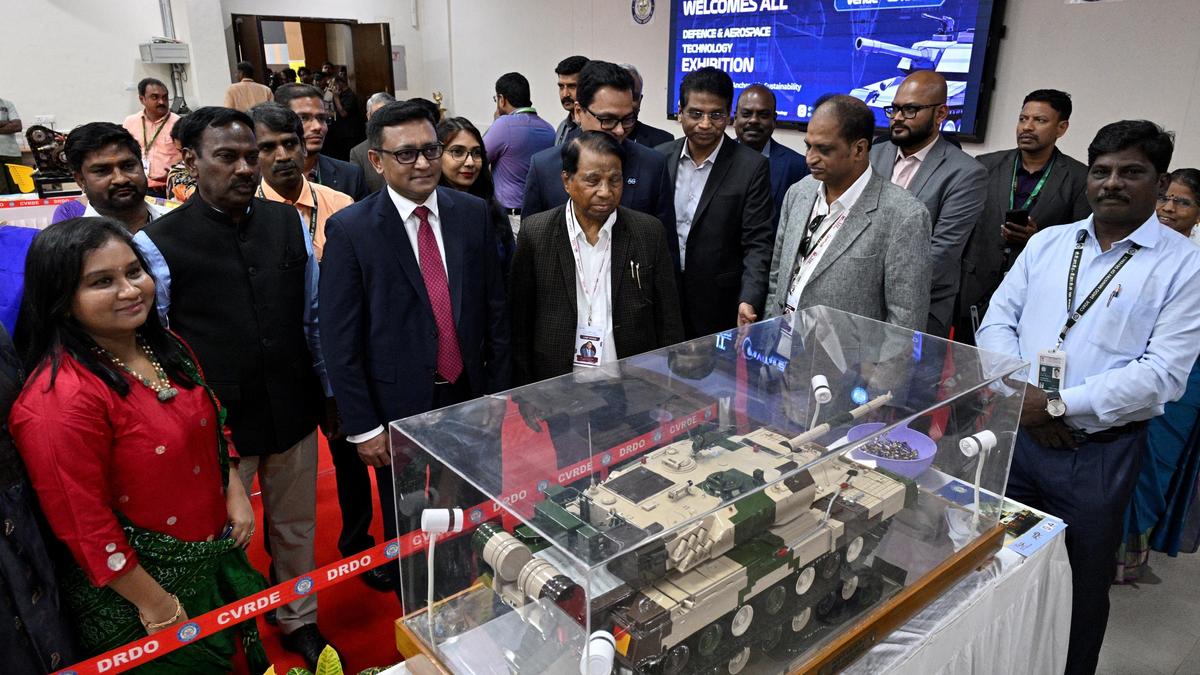
Deputy High Commissioner of Bangladesh, Md. Alimuzzaman, urged engineering students at VIT's Gravitas 26 to prioritize peer collaboration and societal welfare. He emphasized that technical festivals serve as vital platforms for skill development and innovation beyond the traditional classroom.
Bridging Education and Innovation: Insights from Gravitas 26
The Role of Academic Connectivity
At the 17th edition of the annual techno-management festival, Gravitas 26, hosted by VIT in Vellore, Md. Alimuzzaman, the Deputy High Commissioner of Bangladesh, delivered a compelling address regarding the trajectory of modern engineering education. He posited that the foundation of a successful career lies not merely in individual academic achievement, but in the continuous, lifelong cultivation of networks. By remaining connected with peer groups and faculty members, students create a support ecosystem that is essential for navigating an increasingly complex and competitive global marketplace.
Beyond the Classroom: The Value of Technical Festivals
Mr. Alimuzzaman highlighted that events like Gravitas 26 are more than just exhibitions of student talent; they are critical training grounds. He urged students to participate in these technical festivals with passion, noting that such environments provide the necessary pressure and creative freedom to sharpen engineering skills that are rarely fully developed through standard curriculum. This hands-on approach allows students to experiment, fail, and iterate, which are core competencies for any professional engineer.
Shifting Focus Toward Societal Welfare
One of the most profound takeaways from the address was the call for students to look beyond the immediate goals of competition and academic grading. The Deputy High Commissioner emphasized that true innovation must be tethered to the welfare of society. By challenging students to consider the ethical and social implications of their work, he underscored that engineering is a tool for public service. This perspective encourages a paradigm shift where students measure the success of their technical projects by their ability to provide tangible solutions to real-world problems.
Environmental Stewardship in Engineering
In addition to social welfare, Mr. Alimuzzaman placed a significant emphasis on environmental protection. As the world faces the escalating challenges of climate change and resource scarcity, the next generation of engineers must prioritize sustainability in their design processes. By integrating environmental consciousness into their technical projects, students can ensure that their contributions do not come at the expense of the planet, effectively future-proofing their innovations against the environmental crises of tomorrow.
The Future of Technical Education
Ultimately, the vision shared at VIT reflects a broader trend in global education: the move toward interdisciplinary, socially conscious, and collaborative learning. The emphasis on Artificial Intelligence and its role in modern engineering suggests that while technology is the driver of progress, human connectivity and ethical responsibility remain the steering forces. As engineering students move forward, the advice to maintain academic and peer networks will likely serve as the bedrock for their future contributions to both their home nations and the international technological landscape.
Verification Required?