Bangladesh President Shahabuddin, close ally of Sheikh Hasina, likely to resign today
Source Entity
The Indian Express
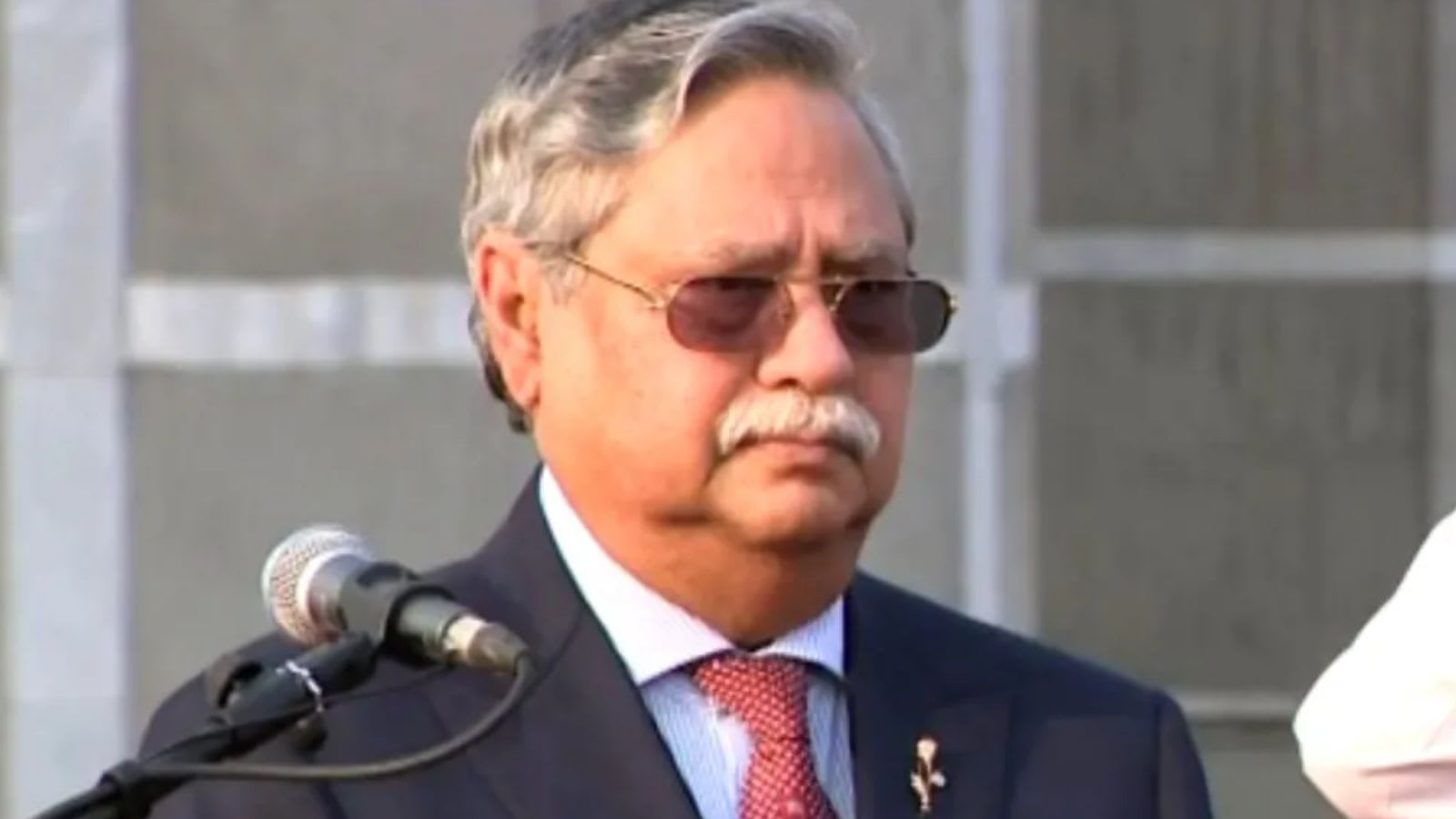
Bangladesh President Mohammed Shahabuddin has resigned amid political pressure regarding his ties to ousted leader Sheikh Hasina. Speaker Hafiz Uddin Ahmad is set to serve as interim president as the nation prepares for the potential return of the former prime minister.
The Resignation of President Mohammed Shahabuddin: A Turning Point for Bangladesh
The End of an Era
The resignation of Bangladesh President Mohammed Shahabuddin marks a significant political shift in the nation's governance. Stepping down nearly two years before the conclusion of his five-year term, Shahabuddin’s departure is deeply linked to the shifting power dynamics following the August 2024 student-led uprising that ousted former Prime Minister Sheikh Hasina. His resignation comes after reports indicated that the current government was increasingly uncomfortable with his continued presence, primarily due to his historical alignment with the former administration.
The Catalyst: Sheikh Hasina’s Impending Return
The timing of this political move is inseparable from recent declarations made by Sheikh Hasina. Currently residing in India since her ouster, Hasina has publicly announced her intention to return to Bangladesh this December to surrender following her conviction by a war crimes tribunal. This declaration has sent shockwaves through the political establishment, forcing the current government to consolidate its position and remove officials perceived as loyal to the previous regime, such as President Shahabuddin.
Constitutional Transition and Continuity
In accordance with the Constitution of Bangladesh, the leadership vacuum created by Shahabuddin’s resignation will be filled by the Speaker of Parliament, Hafiz Uddin Ahmad. The urgency of this transition is underscored by the fact that Speaker Ahmad cut short a diplomatic visit to Thailand to return to Dhaka. This rapid succession process is designed to ensure that the executive branch remains functional during a period of heightened national tension and potential instability.
Historical Context and Political Friction
Shahabuddin’s presidency was often viewed through the lens of his close association with the Awami League and Sheikh Hasina. As the nation moves forward from the August uprising, the removal of symbols of the old guard has become a priority for the current administration. The friction between the presidency and the new government reflects a broader struggle to redefine the political landscape of Bangladesh, moving away from the structures that characterized Hasina’s long-standing tenure.
Future Implications for Bangladesh
The resignation sets the stage for a period of intense political scrutiny as the country prepares for the potential return of its former leader. With a new interim president expected to take the helm, the government faces the dual challenge of maintaining domestic order while navigating the legal and diplomatic complexities of Hasina’s return. The coming months will likely see increased security measures and further adjustments within the state apparatus to ensure that the transition remains under the firm control of the current authorities.
Conclusion
Ultimately, the resignation of Mohammed Shahabuddin serves as a clear indicator of the profound political transformation currently underway in Bangladesh. By clearing the path of potential opposition within the executive, the current government is signaling a decisive break from the past. As the nation watches for the next steps in this unfolding crisis, the focus remains on the constitutional mandate of the interim presidency and the impending return of the former prime minister.