Strait of Hormuz is closed. So is the migrant worker’s kitchen
Source Entity
Sadaf Hussain
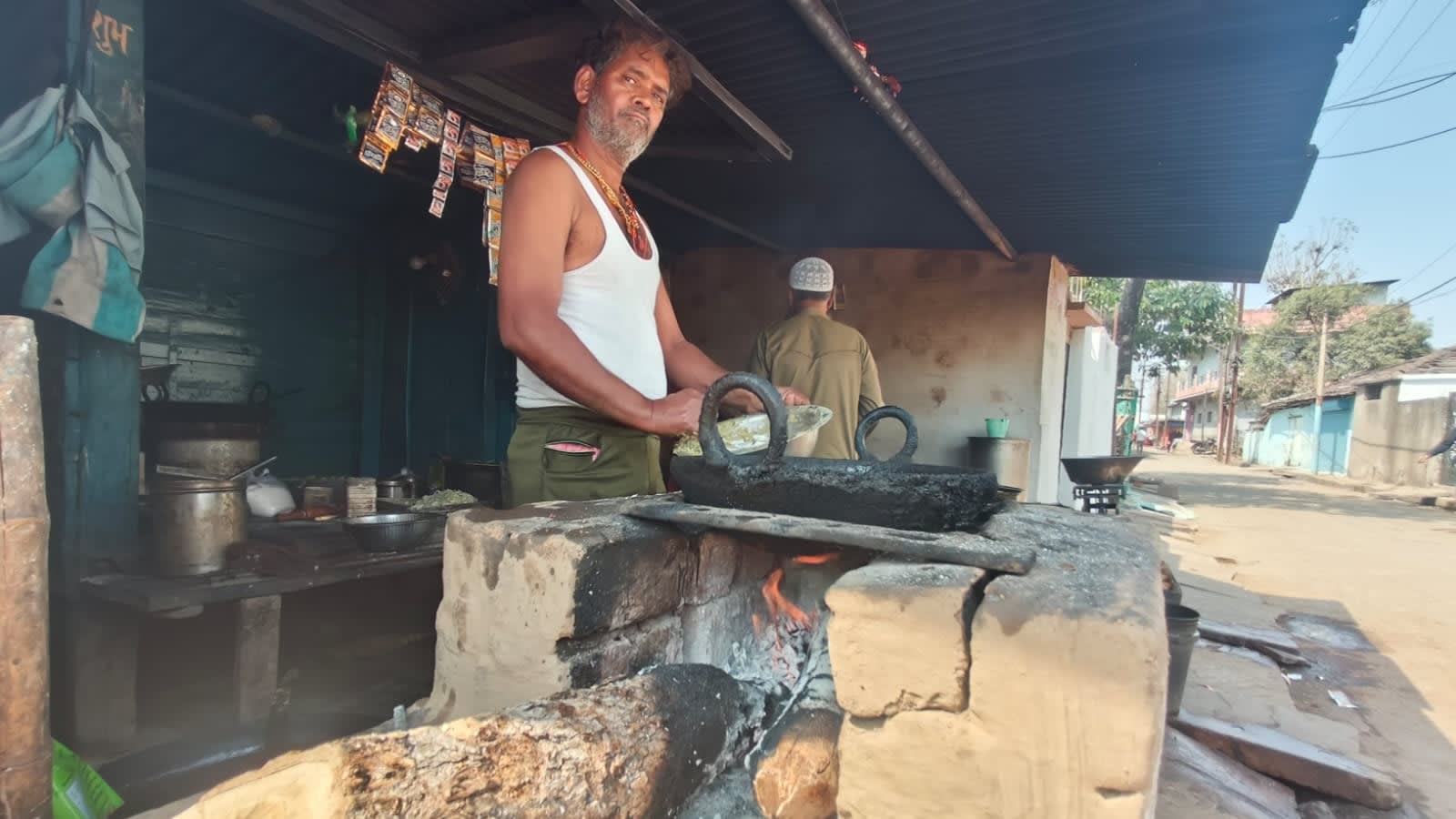
Geopolitical instability in the Strait of Hormuz is triggering an LPG import crisis in India. This disruption is disproportionately impacting migrant kitchen workers and households, highlighting the vulnerability of the nation's food service sector.
The Hidden Cost of Geopolitical Volatility
Recent geopolitical tensions surrounding the Strait of Hormuz have sent shockwaves through India’s energy supply chain, exposing the fragility of the nation's reliance on imported Liquefied Petroleum Gas (LPG). With India importing approximately 60 percent of its LPG, the strategic choke point of the Strait of Hormuz—which historically facilitated 90 percent of these imports—has become a focal point of economic anxiety. As the conflict involving the US, Israel, and Iran intensifies, the disruption of these vital maritime corridors threatens to destabilize energy pricing and availability across the subcontinent.
The Human Element: Migrant Labor and Culinary Anonymity
Beyond the macroeconomic data lies a complex social narrative regarding the migrant workers who form the backbone of India’s culinary industry. Drawing on the late Anthony Bourdain’s observations about the invisibility of immigrant labor in Western kitchens, the Indian context reveals a parallel phenomenon. Men from regions such as Kishanganj in Bihar or Kausani in Uttarakhand often staff the kitchens of Delhi and other major metros. These workers are frequently stripped of their regional identity, laboring under the labels of 'Punjabi' or 'Mughlai' cuisine to satisfy urban consumption patterns while their actual origins remain erased.
Divergent Impacts of Energy Scarcity
The closing of the Strait of Hormuz acts as a catalyst for a widening class divide. The economic consequences of rising energy costs are moving the migrant kitchen worker and the affluent urban household in opposite directions. While the households at the upper end of the class ladder may absorb the shock of increased fuel prices with relative ease, the migrant worker—who often relies on these kitchens for their livelihood and basic sustenance—faces immediate precarity. As fuel costs rise, the operational viability of these small-scale food service businesses is directly threatened.
Industrial Vulnerability
Reports from hotel associations in cities like Bengaluru provide empirical evidence of this mounting pressure. The hospitality sector, which operates on razor-thin margins, is particularly vulnerable to spikes in LPG prices. When energy costs surge, the ability of these establishments to maintain current pricing models for consumers becomes unsustainable. This chain reaction does not merely affect profit margins; it threatens the job security of the migrant workforce who are the first to suffer when operational costs exceed revenue.
Future Trends and Resilience
Looking forward, this crisis underscores the urgent need for India to diversify its energy import routes and accelerate its transition toward renewable energy sources to mitigate the risks associated with geopolitical volatility in the Middle East. The reliance on the Strait of Hormuz is a strategic vulnerability that impacts everything from national energy security to the daily survival of the most marginalized workers in the urban food economy. Addressing these systemic issues will require a dual focus: long-term energy independence and a more robust social safety net for the migrant labor force that sustains the urban lifestyle.