Barclays to slash 5,000 jobs in AI efficiency push
Source Entity
US Top News and Analysis
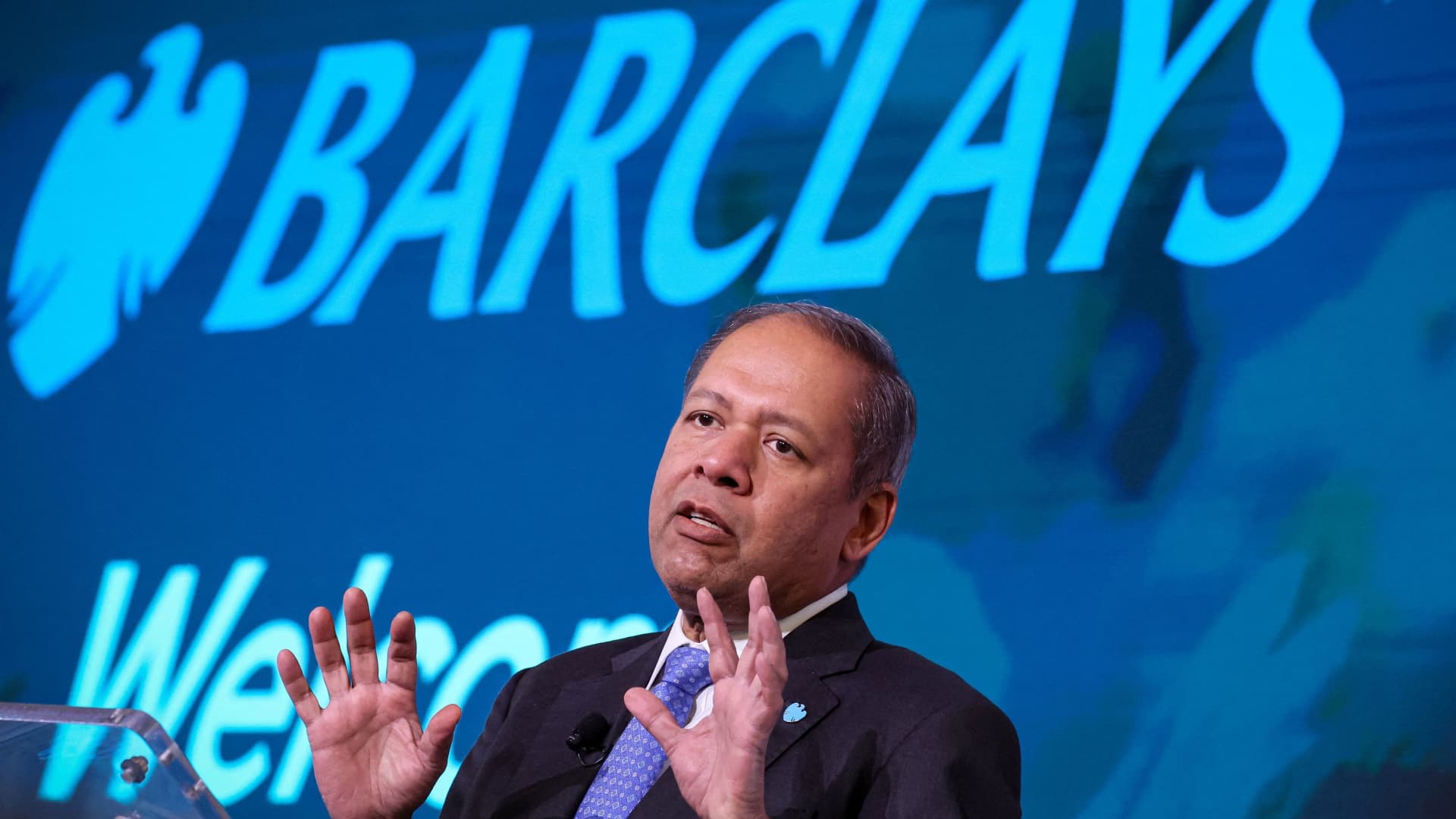
Barclays is cutting 5,000 jobs, representing 5% of its global workforce, as the bank leverages AI to improve productivity and reduce operational costs. The bank aims to save over £1.1bn by 2027 through these efficiency-driven structural changes.
The Digital Transformation of Banking: Barclays' Strategic Pivot
Barclays has announced a significant restructuring initiative involving the reduction of 5,000 positions, which accounts for approximately 5% of its 93,000-strong global workforce. This decision, framed by executive leadership as a necessary step toward operational efficiency, highlights the accelerating impact of artificial intelligence on the traditional banking sector. As the institution navigates the end of a three-year cost-cutting program, it is clear that technological integration is no longer a peripheral strategy but a central pillar of corporate survival.
The Role of AI in Operational Efficiency
The driving force behind these cuts is the deployment of AI to streamline back-office and support functions. Chief Financial Officer Anna Cross indicated that 60% of the workforce reductions are concentrated in these areas, specifically citing a reduced need for developers and support staff. By automating routine processes and utilizing AI-driven productivity tools, Barclays is attempting to lower its cost base significantly. This shift underscores a broader industry trend where manual, labor-intensive tasks are increasingly being offloaded to algorithmic systems.
Financial Context and Long-term Goals
This workforce reduction is explicitly tied to a financial target: saving over £1.1bn by 2027. Despite reporting a quarterly profit of £2.3bn—an improvement over the previous year—the bank remains under pressure to optimize its margins. The structural changes span across various divisions, including the bank’s UK retail operations and its investment banking arm. Executives have confirmed that 1,000 roles have already been phased out since the beginning of the year, with an additional 4,000 positions expected to be eliminated by the end of this year.
The Human Impact and Corporate Narrative
While leadership emphasizes AI as a tool for "productivity," the human cost of this transition is substantial. The reduction of 5,000 employees reflects a challenging reality for the banking workforce, where skill requirements are rapidly evolving. The bank’s messaging suggests that AI is enabling smaller teams to achieve greater output, thereby rendering certain traditional support roles redundant. This narrative is consistent with global debates regarding the displacement of white-collar labor by generative and predictive AI technologies.
Future Trends in Financial Services
Looking ahead, the Barclays model may serve as a precursor for other major financial institutions. As AI continues to mature, banks are likely to prioritize investments in automation to remain competitive in a high-interest-rate environment. The focus on cost-cutting as a response to AI efficiency suggests a future where banking operations become leaner and more tech-centric. Investors will be watching closely to see if these cuts successfully translate into the projected £1.1bn savings without compromising service quality or regulatory compliance.
Conclusion
Barclays' decision to cut 5,000 jobs serves as a definitive case study in the intersection of corporate finance and artificial intelligence. By aligning its workforce strategy with technological advancements, the bank is positioning itself for a leaner future. However, the move also underscores the ongoing challenge of balancing shareholder returns with the societal impacts of rapid automation in the workplace.