Cass report author says she does not support draft conversion practices bill
Source Entity
BBC News
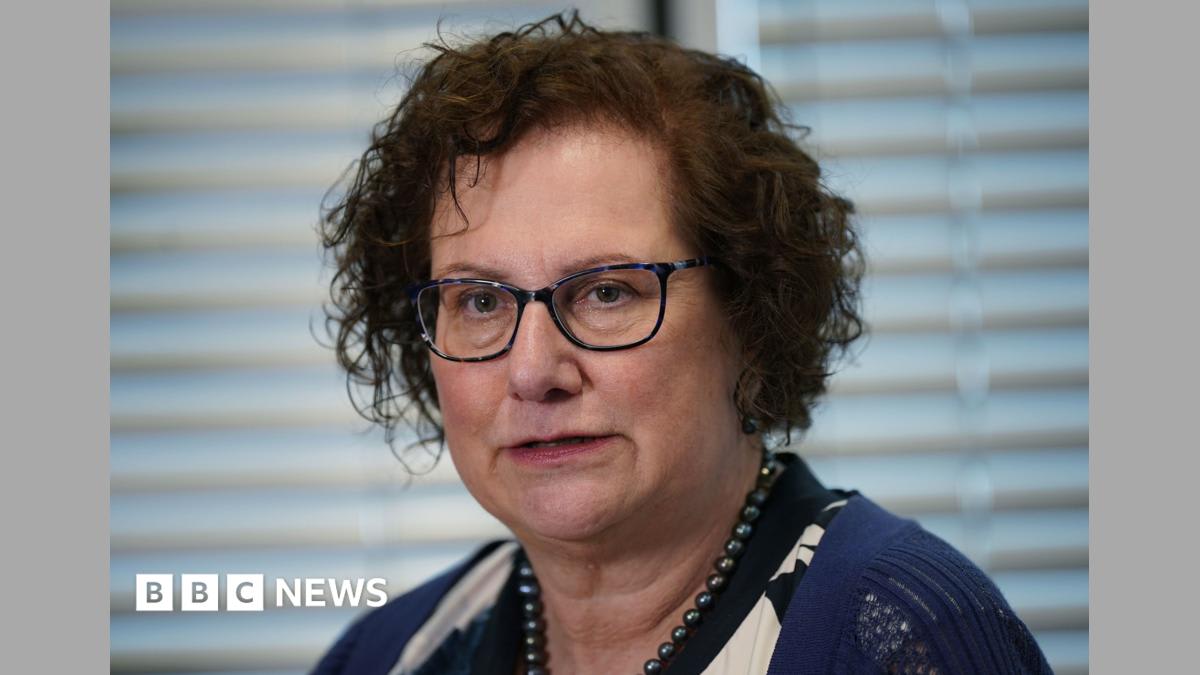
Baroness Cass has expressed opposition to the current draft bill banning conversion practices, citing concerns over unintended consequences for parents and clinicians. The government has pledged to review this feedback to ensure the final legislation is accurately targeted.
The Shifting Landscape of Conversion Practice Legislation
Recent parliamentary scrutiny has brought a significant pivot in the discourse surrounding the proposed ban on conversion practices in England and Wales. Baroness Cass, the author of the landmark independent review into gender identity services for young people, has publicly retracted her support for the current draft of the bill. While initially welcoming the legislative effort to protect LGBT individuals, her recent testimony before a parliamentary committee highlights a growing tension between the desire for protective regulation and the practical realities of clinical and parental guidance.
The Risk of Unintended Consequences
At the heart of Baroness Cass’s critique is the ambiguity of the bill's current language. She warns that the draft, as written, could result in "serious unintended consequences" that might inadvertently criminalize or chill the actions of parents and medical professionals. By failing to provide clear distinctions between harmful conversion practices and necessary, supportive clinical oversight, the legislation risks casting too wide a net. This potential overreach could create a climate of fear, discouraging caregivers from engaging in essential, sensitive conversations with children experiencing gender distress.
Protecting Professional Discretion
For medical professionals, the current draft presents a complex legal dilemma. If the definition of conversion practices remains overly broad, clinicians may fear that standard, evidence-based therapeutic care could be misconstrued as an attempt to force a change in gender identity. Baroness Cass’s intervention serves as a critical checkpoint, emphasizing that the safeguarding of young people requires a nuanced approach that preserves the ability of doctors to provide holistic care without the threat of legal reprisal.
The Role of Parental Guidance
Furthermore, the bill’s impact on parents remains a primary point of contention. The role of parents in supporting children through gender distress is inherently complex and often requires a balance of empathy and guidance. If the legislation is not carefully calibrated, there is a legitimate concern that it could interfere with the fundamental parental right to support their children, potentially complicating the domestic support systems that are vital to a young person’s well-being during periods of identity exploration.
Legislative Path Forward
The government’s response to these concerns has been one of cautious engagement. By stating that they welcome the evidence provided by the committee and intend to "get this ban right," officials have signaled a willingness to refine the language of the bill. This process underscores the difficulty of legislating in areas where social, medical, and ethical considerations intersect. The path forward will likely involve a rigorous redrafting process that seeks to isolate and prohibit coercive practices without infringing upon the legitimate, supportive roles of families and medical providers.
Conclusion
The developments surrounding the conversion practices bill illustrate the importance of expert consultation in the legislative process. As the government continues to weigh the feedback from Baroness Cass and other stakeholders, the focus remains on crafting a law that effectively protects the vulnerable while avoiding the pitfalls of over-regulation. The final outcome will serve as a definitive statement on how the state balances individual rights with the duty of care in the evolving field of gender identity services.