"Hurtful, Unreal Stories": Why Sonia Gandhi Chose To Write Memoir
Source Entity
NDTV News Search Records Found 1000
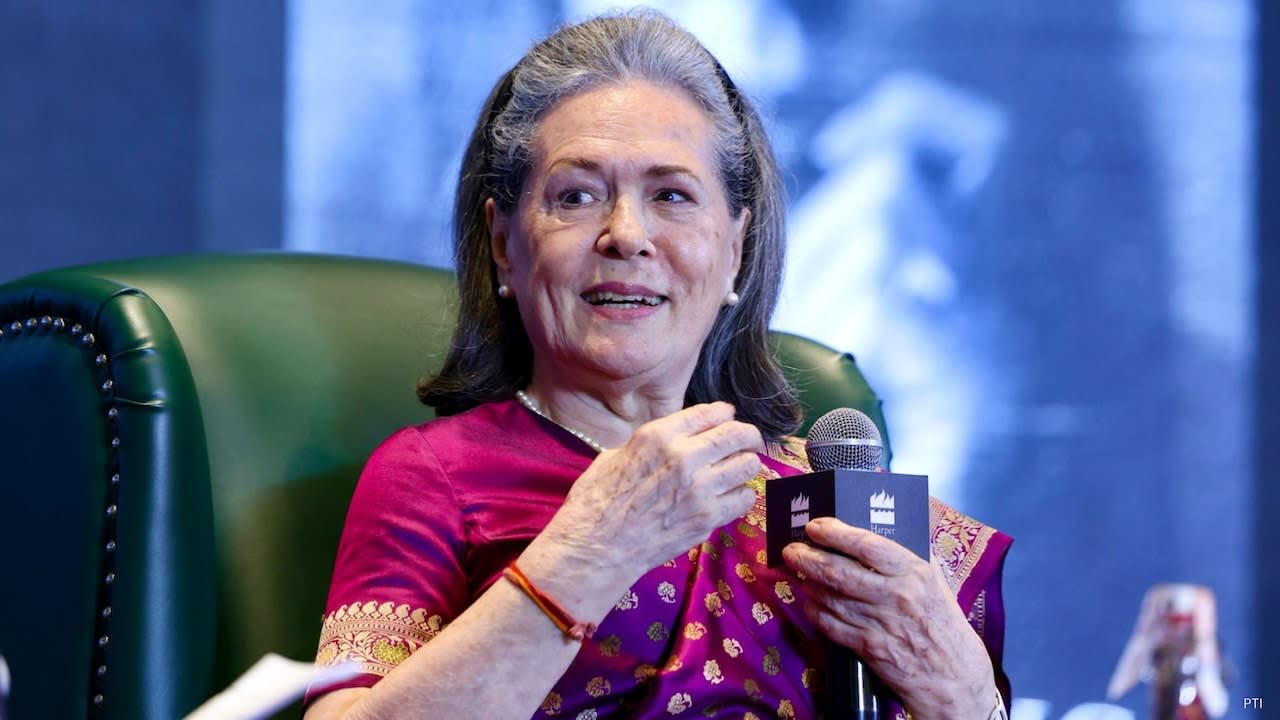
Sonia Gandhi has officially launched her memoir, 'Belonging: A Journey of Love,' to address long-standing public misconceptions about her life. She explains that the title reflects her personal experience of navigating identity as an outsider in Indian politics.
A Personal Account: Sonia Gandhi Launches 'Belonging'
Congress Parliamentary Party chairperson Sonia Gandhi has officially entered the literary sphere with the launch of her debut memoir, Belonging: A Journey of Love. The event, which saw the presence of her children, Rahul and Priyanka Gandhi Vadra, alongside prominent Opposition leaders including Tamil Nadu Chief Minister M.K. Stalin and Jharkhand Chief Minister Hemant Soren, marks a significant departure from the leader’s historically private persona. By choosing to document her own history, Gandhi seeks to reclaim the narrative surrounding her life and career.
Addressing the 'Unreal' Narrative
For decades, Sonia Gandhi has remained one of India’s most scrutinized public figures. During the launch, she candidly addressed the motivation behind breaking her silence, citing the prevalence of speculation and "unreal" stories that have circulated about her for years. By penning this memoir, she aims to provide a definitive account that counters the gossip and political conjecture that have often defined her public image, offering a firsthand perspective on events that have shaped her trajectory.
The Complexity of 'Belonging'
At the heart of the memoir is the poignant title, Belonging. Gandhi articulated that the concept represents a fundamental human need for acceptance. As an individual who entered the Indian political landscape from the outside, she described the lingering sensation of being "watched" and the inherent feeling of not being fully liked or understood. This title serves as a thematic exploration of her struggle to reconcile her foreign origins with her deep-seated commitment to her adopted home.
Family Support and Encouragement
Transitioning from a private individual to a memoirist was not a decision made in isolation. Gandhi revealed that the impetus to write the book came from the persistent encouragement of her children, Rahul and Priyanka, and her close friend, Manjulika Dubey. This familial support system appears to have been crucial in providing her the confidence to navigate the vulnerability required in writing an autobiography.
The Impact of Public Perception
Throughout the launch, Gandhi described the public response to her book as "overwhelming." This reception suggests that despite the political polarization surrounding the Congress party, there remains a significant curiosity regarding the personal history of a woman who led the party for nearly two decades. The memoir is expected to shed light on her private reflections, effectively humanizing a figure who has spent much of her career behind a veil of political stoicism.
Looking Ahead: A Historical Contribution
As the book reaches the public, it serves as a historical document that may clarify several decades of Indian political history. By addressing the "tamasha"—the spectacle—that often accompanies her public life, Gandhi is setting the record straight on her own terms. The release of Belonging is likely to shift the discourse from external observation to internal reflection, providing researchers and citizens alike with a clearer understanding of the woman behind the political icon.
Multiple Citing Sources
Verification Required?