The battle within the BJP in Bengal
Source Entity
India Latest News: Top National Headlines Today & Breaking News | The Hindu
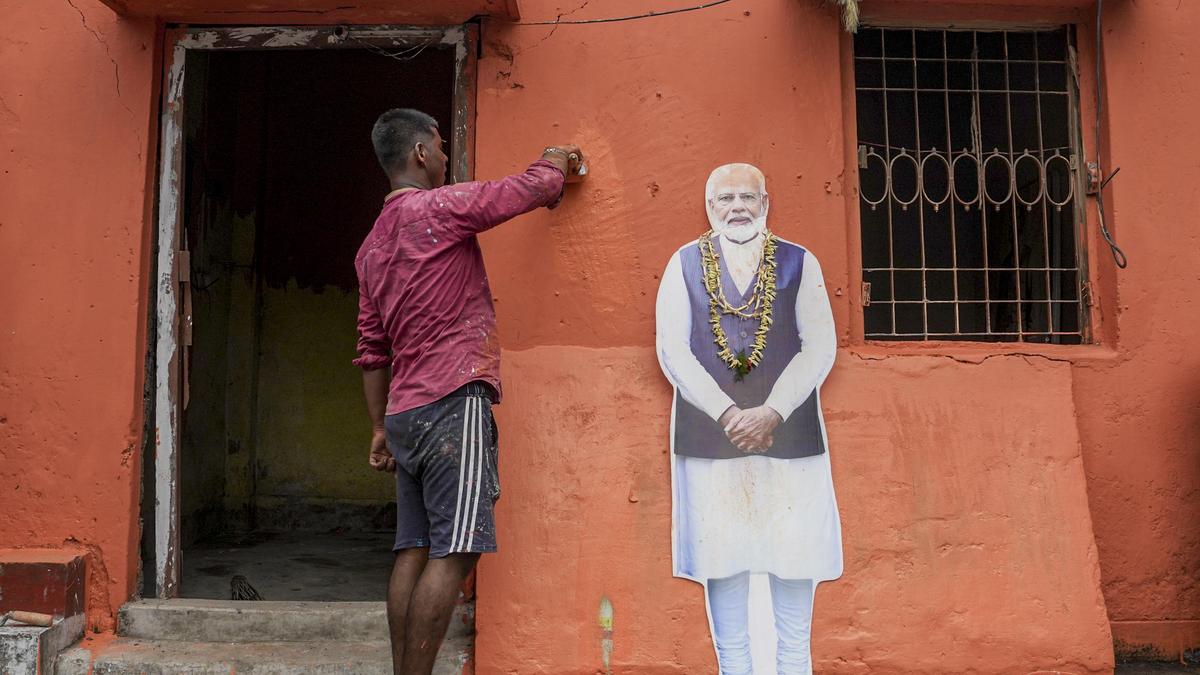
Suvendu Adhikari's tenure as West Bengal's first BJP Chief Minister is marked by an internal party struggle as he absorbs existing political networks. The BJP faces a challenge in transforming state political culture while inherited systems of patronage persist.
The Internal Contradictions of Bengal’s Political Shift
One hundred days into the administration of West Bengal’s first Bharatiya Janata Party (BJP) Chief Minister, Suvendu Adhikari, the state is witnessing a profound and paradoxical political transformation. While the electoral mandate signaled a clear desire for a rupture from the past, the reality of governance has revealed a complex interplay between systemic continuity and ideological change. The BJP, supported by the foundational organizational efforts of the Rashtriya Swayamsevak Sangh (RSS), now finds itself grappling with the very machinery it campaigned against.
The Mandate for Rupture and Its Challenges
The electorate in West Bengal voted decisively to dismantle a system characterized by systemic extortion, entrenched strongmen, and a pervasive culture of patronage. The exodus of youth seeking employment outside the state served as a primary catalyst for this shift, placing immense pressure on the new administration to deliver immediate reform. However, the transition of power has proven that changing the political color of a state is significantly faster than altering its underlying political culture.
The Consolidation of Power and Systemic Absorption
Suvendu Adhikari, who rose to prominence on the promise of dismantling the Trinamool Congress (TMC) system, is currently engaged in a strategy of consolidation that relies on absorbing the existing networks he once criticized. Evidence of this is visible in the physical landscape of the state, where former TMC strongholds—including auto and e-rickshaw stands and local party offices—have simply transitioned to displaying BJP flags. This phenomenon suggests that while the political label has changed, the underlying mechanisms of local control remain largely intact.
The RSS and the Weight of History
For the Rashtriya Swayamsevak Sangh, this juncture is critical. Having spent decades cultivating a grassroots presence in West Bengal during periods when electoral success seemed improbable, the RSS now faces the challenge of ensuring that the party’s governance aligns with its long-term ideological goals. The current internal battle within the BJP reflects a tension between those who wish to maintain the traditional party structure and those who see the absorption of existing networks as the only viable path to maintaining regional stability.
Future Trends and Political Stability
The long-term viability of the BJP in West Bengal depends on its ability to transcend the 'strongman' culture it inherited. If the party continues to rely on the same patronage networks that defined the previous administration, it risks alienating the very voters who sought a genuine rupture. Moving forward, the Adhikari administration must navigate the thin line between necessary administrative continuity and the fundamental reform that the people of West Bengal explicitly demanded at the ballot box.
Verification Required?