Supreme Court lets Trump build White House ballroom as lawsuit continues
Source Entity
US Top News and Analysis
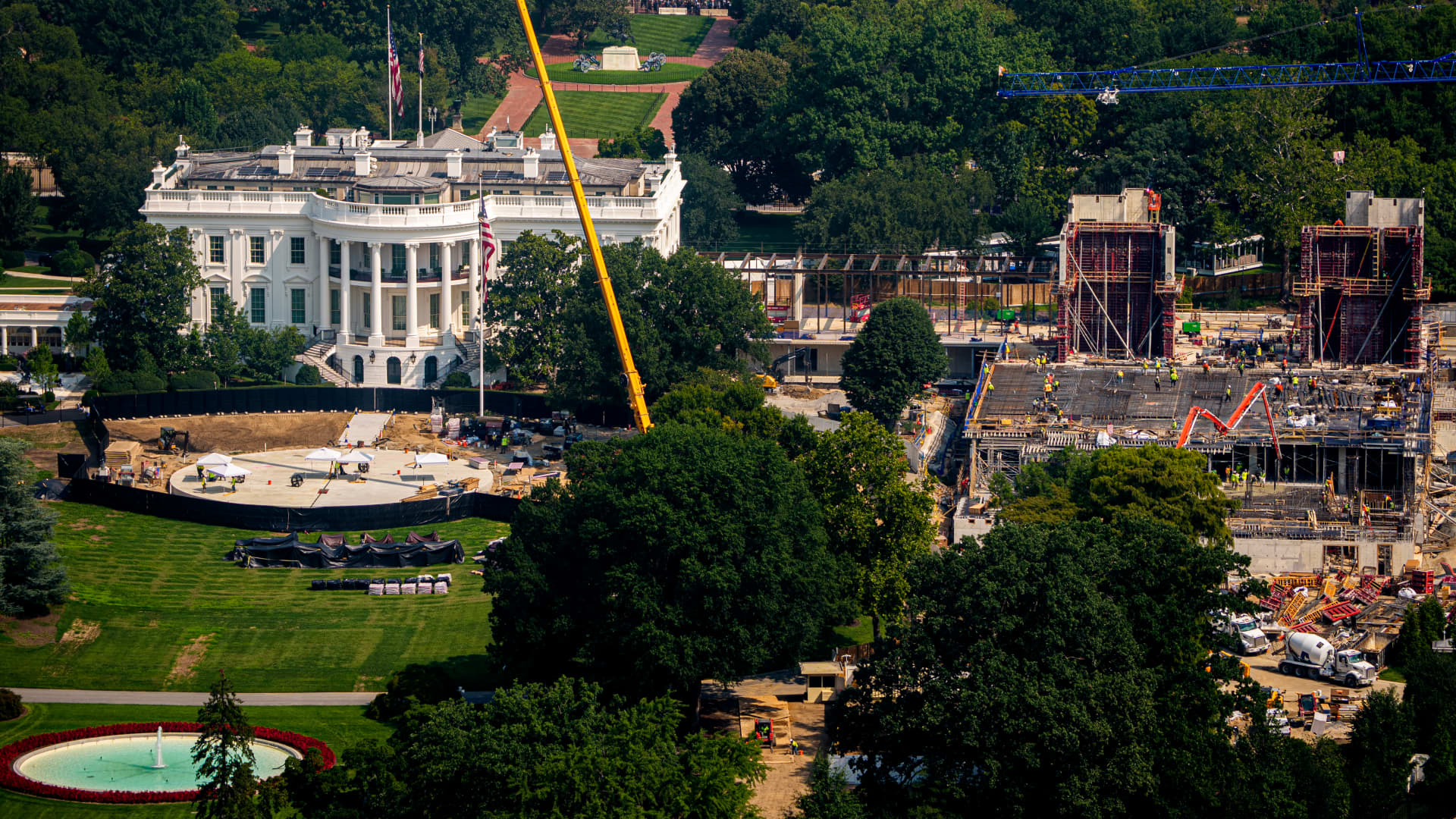
The Supreme Court has allowed the construction of a $400 million White House ballroom to proceed while legal challenges continue. A 5-4 majority ruled that the National Trust for Historic Preservation likely lacks standing, though the core issue of congressional authority remains undecided.
Supreme Court Greenlights Controversial White House Ballroom Construction
In a significant and contentious legal development, the United States Supreme Court issued a 5-4 ruling on Monday, allowing the Trump administration to move forward with the construction of a $400 million ballroom complex at the White House. The decision effectively overturns a lower-court injunction that had previously halted above-ground work on the project, which has already seen the demolition of the historic East Wing.
The Legal Tug-of-War Over Standing
The court’s unsigned order centers on the concept of legal standing. The majority concluded that the National Trust for Historic Preservation, the primary plaintiff seeking to block the project, likely lacks the necessary standing to pursue its lawsuit. By prioritizing this procedural hurdle, the Court has allowed physical work—including the ongoing construction of a new helipad on the South Lawn—to continue unabated while the litigation remains active in the lower courts.
The Question of Congressional Authority
Despite the immediate victory for the administration, the ruling notably avoids the most explosive constitutional question at play: whether the President possesses the unilateral authority to undertake a massive structural transformation of the White House complex without explicit congressional approval. The Court’s silence on this matter ensures that the project remains under a cloud of legal uncertainty, even as physical construction progresses toward completion.
Judicial Dissent and Constitutional Concerns
Chief Justice John Roberts, joined by the three liberal justices, issued a sharp dissent. The minority took the unusual step of stating that the construction is “likely unlawful,” signaling a deep divide within the bench regarding the scope of executive power. This dissent underscores the gravity of the precedent being set, as the judiciary struggles to balance the President's role in managing executive property against the legislative branch's oversight responsibilities.
Broader Implications for Historic Preservation
The demolition of the existing East Wing to make way for the new ballroom has sparked widespread debate regarding the preservation of American heritage. As the National Trust for Historic Preservation continues to contest the project, the case highlights the tension between modernizing executive facilities and maintaining the architectural integrity of one of the nation's most iconic landmarks. The project’s $400 million price tag further complicates the political narrative, drawing criticism from those who view the expenditure as an unnecessary and unauthorized use of public resources.
Future Outlook and Legal Precedent
As construction continues on the South Lawn and East Wing, the legal battle is far from over. The Supreme Court’s decision is an interim measure rather than a final judgment on the merits of the case. Future rulings will be closely monitored, as they will define the limits of the executive branch's ability to modify federal property. For now, the administration has secured the momentum necessary to advance its architectural agenda, leaving the constitutional questions to be resolved in subsequent legal proceedings.
Multiple Citing Sources