‘Baseless’: Rajasthan High Court judge responds to allegations of ‘misuse of powers’
Source Entity
Hamza Khan
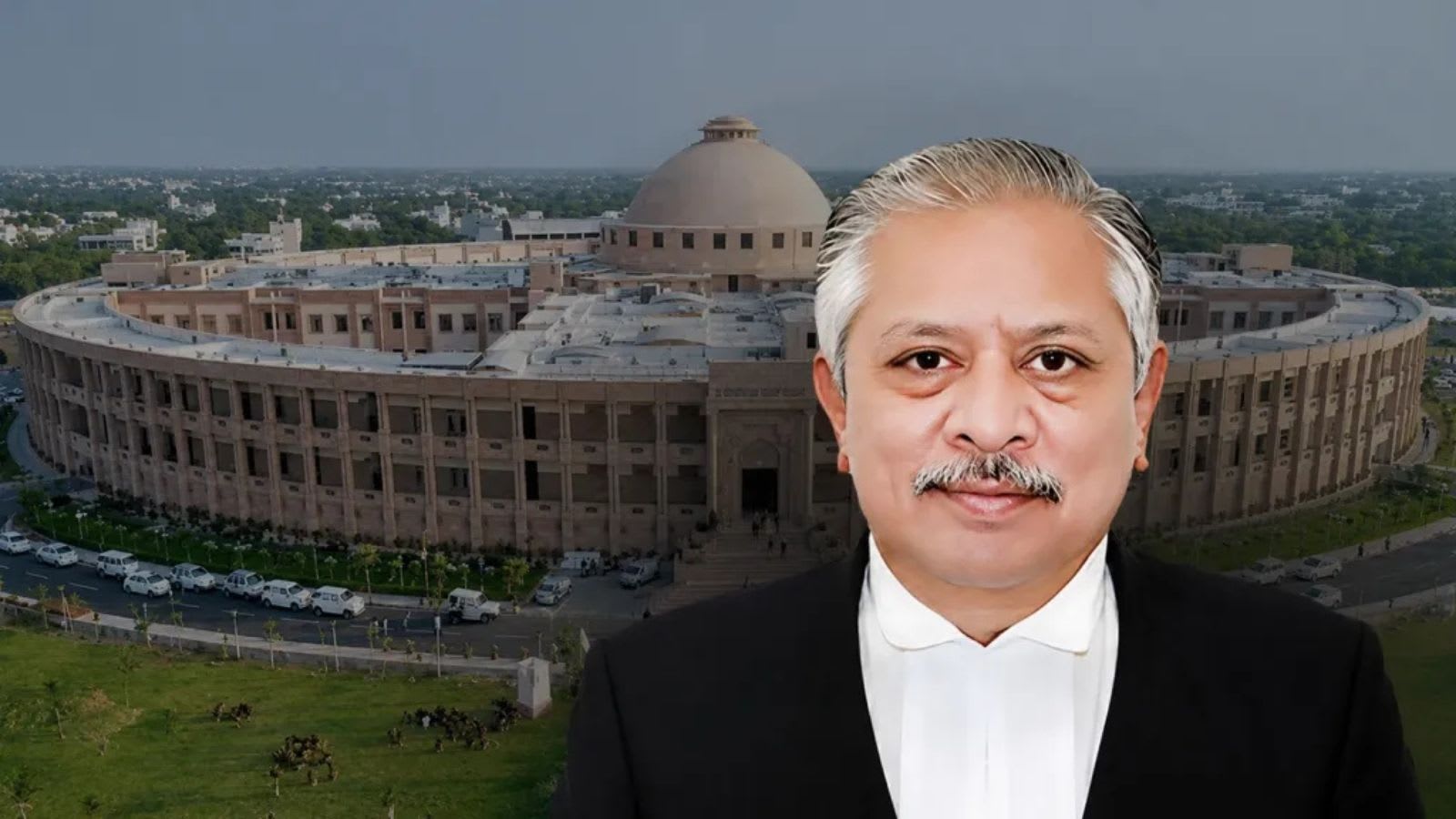
Rajasthan High Court Justice Sanjeev Prakash Sharma has formally denied allegations of misuse of power, labeling them as baseless and motivated by animosity. He has submitted a detailed rebuttal with evidence to Supreme Court Justice Surya Kant.
Judicial Integrity and Public Scrutiny: An Analysis of the Allegations Against Justice Sharma
The Assertion of Innocence
In a significant development for the Rajasthan judiciary, Justice Sanjeev Prakash Sharma has issued a formal response to mounting allegations regarding the alleged misuse of his official powers. Breaking his silence on the matter, Justice Sharma categorically denied all claims, describing them as entirely "baseless." This statement marks a critical juncture in a controversy that has played out across both traditional media and social media platforms, highlighting the increasing pressure on judicial officers to navigate public discourse.
The Nature of the Allegations
Justice Sharma’s response identifies the core of the conflict as being rooted in "ranjish vash," or personal animosity. By framing the accusations as products of professional or personal vendetta rather than objective legal grievances, Justice Sharma has sought to discredit the motivations behind the critiques. Specifically, he identified Honorable Sandeep Mehta as the source of the letters containing these allegations, setting the stage for a high-profile internal inquiry within the Indian judicial hierarchy.
Institutional Recourse and Due Process
Central to the Justice’s defense is his decision to bypass public media trials in favor of institutional channels. By submitting a formal position—backed by what he describes as empirical evidence—to Supreme Court Justice Mr. Surya Kant, Justice Sharma is adhering to the established protocols of judicial accountability. This move underscores the importance of internal oversight mechanisms in maintaining the sanctity of the High Court, ensuring that disputes between members of the judiciary are handled via constitutional authorities rather than the court of public opinion.
Broader Implications for the Judiciary
This episode serves as a stark reminder of the challenges facing the Indian judicial system regarding transparency and public perception. When members of the higher judiciary are subject to public accusations, it risks eroding the public's trust in the institution itself. The specific mention of "fact-less" and "false" allegations highlights the delicate balance judges must strike: maintaining the dignity of their office while defending their personal and professional reputation against vocal criticism.
The Role of Internal Oversight
As the matter transitions to the purview of Supreme Court Justice Surya Kant, the focus shifts to the efficacy of the judiciary’s self-regulatory framework. The outcome of this review will be pivotal, not only for Justice Sharma’s career but for the precedent it sets regarding how senior judges address allegations of misconduct. The reliance on evidence-based refutation suggests that the judiciary will likely prioritize documented facts over the narrative-driven accusations that have characterized the recent media cycle.
Conclusion
In summary, the response from Justice Sanjeev Prakash Sharma represents a firm defense of his professional conduct. By formally addressing the accusations of power misuse and submitting his rebuttal to the Supreme Court, he has signaled a reliance on the rule of law to resolve the conflict. The forthcoming evaluation by the Supreme Court will be the definitive factor in resolving this contention, serving as a test of the judiciary's ability to maintain internal order while navigating public scrutiny.