Batwara 1947 trailer: Sunny Deol will do anything to protect Shabana Azmi in film on Hindu-Muslim ties. Watch
Source Entity
Latest News: Todays Latest News Headlines from India & World | Hindustan Times | Hindustan Times
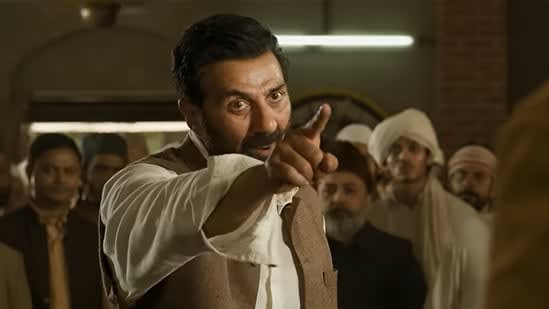
The trailer for 'Batwara 1947' depicts the emotional and social upheaval of the 1947 Partition through the story of a family settling into a new home in Pakistan. The film highlights the conflict arising when they discover an elderly Hindu woman, played by Shabana Azmi, refusing to vacate their allotted residence.
The Cinematic Reimagining of the 1947 Partition
The release of the trailer for Batwara 1947 marks a significant addition to the genre of historical dramas exploring the trauma of the 1947 Partition. Based on the acclaimed play Jis Lahore Nai Vekhya, O Jamya E Nai, the film utilizes the backdrop of India's independence to examine the human cost of displacement and the sudden, violent rupture of communal harmony. By focusing on the intimate setting of a single household, the narrative provides a microcosm of the macro-political shifts that defined the era.
Narrative Core and Character Dynamics
At the heart of the film is the journey of a family led by Sunny Deol, accompanied by his wife, played by Preity Zinta, and their son, Karan Deol. Their migration to Pakistan serves as the inciting incident, illustrating the forced nature of the demographic shifts that followed the partition. The arrival of the family in a home already occupied by an elderly Hindu woman, portrayed by Shabana Azmi, introduces the central conflict: a clash of identity, faith, and belonging in a territory undergoing a radical transformation.
Themes of Occupation and Resistance
Shabana Azmi’s character, who refuses to vacate the property and continues to perform puja in her room, serves as a poignant symbol of resilience and the inability to sever ties with one's ancestral land. Her presence is a provocation to the local community, highlighting the heightened tensions and the intolerance that permeated the newly formed borders. This dynamic explores the complex reality of those who remained on the 'wrong' side of the border, caught between their past lives and a hostile new reality.
The Role of Communal Tensions
The film does not shy away from the friction caused by the coexistence of different religious practices in a climate of fear. The anger directed at Azmi’s character for maintaining her religious rituals in a private space reflects the broader societal pressures of the time. Sunny Deol’s character, caught in the middle of this domestic standoff, represents the internal struggle of individuals attempting to navigate morality and empathy amidst a period defined by chaos and prejudice.
Broader Implications and Historical Context
By adapting Jis Lahore Nai Vekhya, O Jamya E Nai, the production team taps into a well-known narrative that has long served as a critique of the absurdity of violence. The film serves as a reminder that the Partition was not merely a political event mapped out by leaders, but a series of individual tragedies that permanently altered the social fabric of the subcontinent.
Conclusion
Batwara 1947 promises to be a deeply emotional exploration of human endurance. Through the performances of its ensemble cast and the weight of its historical subject matter, the film invites audiences to reflect on the legacy of 1947. As the trailer indicates, the focus remains on the personal sacrifices and the difficult choices individuals were forced to make, ensuring that the human element remains at the forefront of this historical recount.
Verification Required?