NALSAR row: CJI bats for students’ right to protest, wants Bar Council to revoke ban
Source Entity
Express Web Desk
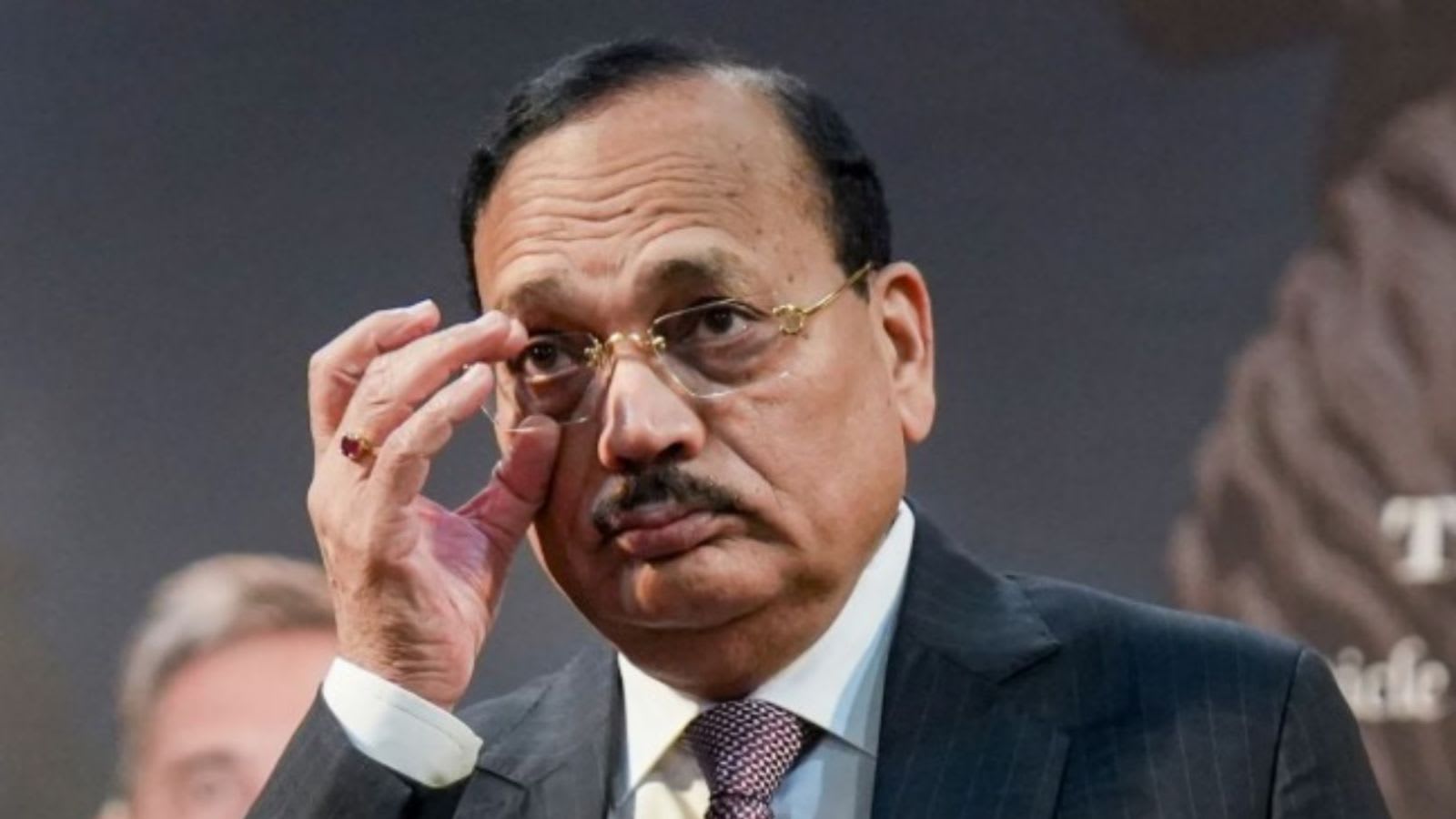
The Bar Council of India (BCI) briefly halted the enrollment of NALSAR's 2026 graduates following protests against CJI Surya Kant's convocation invite. The BCI later withdrew the order while continuing to seek a report on those behind the alleged campaign.
The NALSAR-BCI Standoff: A Crisis of Institutional Protocol
The legal fraternity in India witnessed a significant administrative confrontation this week as the Bar Council of India (BCI) issued—and subsequently retracted—a directive freezing the enrollment of the 2026 graduating batch from the National Academy of Legal Studies and Research (NALSAR) University of Law, Hyderabad. The flashpoint for this unprecedented action was an alleged organized campaign by students opposing the participation of the Chief Justice of India, Surya Kant, in the university's upcoming convocation ceremony.
The BCI Intervention and Regulatory Reach
Under the leadership of BCI Chairman Manan Kumar Mishra, the regulatory body initially directed all state bar councils to withhold the enrollment of NALSAR graduates as advocates. This move was framed as a disciplinary response to the perceived disrespect shown toward the office of the Chief Justice. The BCI’s authority to regulate legal education and the entry of practitioners into the profession is central to the Advocates Act, 1961, which empowers the council to set standards for legal training and professional conduct.
Escalation and the Demand for Accountability
Before the reversal, the BCI had issued a stern ultimatum, demanding that NALSAR submit a comprehensive factual report within three days. The council sought the identification of specific individuals responsible for initiating and organizing the protest against the CJI. This demand highlighted a growing tension between the administrative oversight of the BCI and the academic autonomy of premier law schools, where student activism is often viewed as a fundamental component of legal discourse and critical thinking.
A Dramatic Reversal of Policy
In a rapid shift, the BCI withdrew its freezing order on Thursday evening. The communication from Chairman Mishra noted that the council had "thoroughly discussed and deliberated" on the matter, leading to the modification of the initial directive. While the immediate threat to the graduates' professional registration has been lifted, the BCI’s underlying demand for a report regarding the originators of the campaign indicates that the inquiry into the conduct of the student body remains an active concern for the regulatory body.
Broader Implications for Legal Education
This incident underscores the delicate balance between the traditional hierarchy of the Indian judiciary and the evolving culture within elite law schools. The initial move to hold an entire graduating batch responsible for the actions of a subset of students sparked national debate regarding collective punishment versus institutional discipline. For future legal professionals, this event serves as a stark reminder of the intersection between academic freedom and the professional code of conduct mandated by the BCI.
Future Trends in Institutional Governance
Looking ahead, this episode is likely to trigger a wider discussion on how universities manage high-profile guest invitations and the scope of student dissent. As the BCI continues to monitor the situation, the legal community will be watching to see how the NALSAR administration manages its internal reporting requirements. The event highlights a trend where regulatory bodies are increasingly assertive in enforcing professional standards, even those that extend into the academic sphere, potentially setting a precedent for how future protests are handled in professional training institutions.