Kerala High Court Restores Foreign Funding Licence Of 2 NGOs, Questions Centre
Source Entity
NDTV News Search Records Found 1000
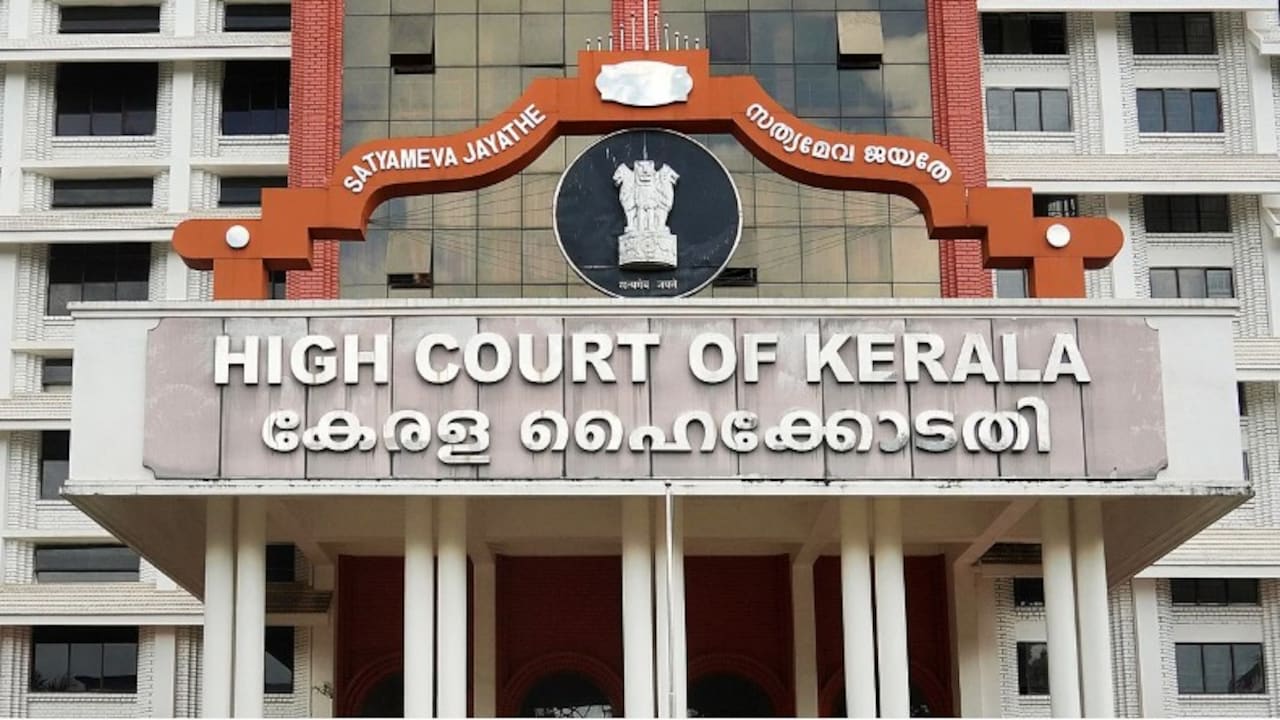
The Kerala High Court has overturned the cancellation of FCRA licenses for two long-standing NGOs. The court questioned the Centre's decision, noting the organizations have maintained their registrations since 1985.
Kerala High Court Intervenes in NGO FCRA Licensing
In a significant legal development, the Kerala High Court has intervened in the regulatory oversight of non-governmental organizations by restoring the Foreign Contribution Regulation Act (FCRA) licenses of two entities. The court's decision challenges the Union government's recent administrative actions, signaling a judicial scrutiny of the criteria used to revoke or suspend permissions for receiving foreign funds.
Historical Context and Institutional Longevity
A critical factor in this judicial review is the longevity of the affected NGOs, which have held FCRA registration since 1985. Having operated under the regulatory framework for nearly four decades, these organizations possess a documented history of compliance. The court’s emphasis on this long-standing status suggests that the sudden revocation of licenses by the Centre lacked the necessary procedural justification or evidence of recent violations to warrant such a drastic measure.
The Role of FCRA in Indian Governance
The FCRA serves as a vital mechanism for the Indian government to monitor and regulate the inflow of foreign contributions to domestic organizations. While the government maintains that strict oversight is necessary to ensure national security and prevent the misuse of funds, critics often argue that such regulations are occasionally used to stifle civil society. The Kerala High Court’s questioning of the Centre highlights the delicate balance between maintaining sovereignty and upholding the rights of organizations to operate within the legal framework.
Procedural Fairness and Judicial Oversight
By questioning the Centre's rationale, the High Court is enforcing the principle of administrative transparency. The court's intervention underscores that state actions, even those pertaining to sensitive areas like foreign funding, must be supported by cogent reasoning and a clear demonstration of wrongdoing. This move serves as a check against arbitrary executive action, ensuring that organizations with a proven track record are not sidelined without due process.
Broader Implications for the NGO Sector
This ruling provides a potential roadmap for other NGOs currently facing similar licensing challenges. By establishing that long-term compliance is a relevant factor for judicial consideration, the court has signaled that historical performance carries weight in legal disputes. This precedent may lead to more rigorous legal standards for the government when it attempts to suspend or cancel the licenses of established non-profits in the future.
Conclusion: A Precedent for Accountability
Ultimately, the Kerala High Court’s restoration of these licenses reinforces the importance of the judiciary in protecting the operational integrity of civil society. As the government continues to modernize its digital monitoring of foreign funds, this case emphasizes that such oversight must remain within the bounds of fairness. The outcome serves as a reminder that administrative decisions regarding NGO funding are subject to the rigors of the Indian judicial system.
Verification Required?