Kerala govt rejigs SHO system, restores Sub-Inspector-led model at most police stations
Source Entity
India Latest News: Top National Headlines Today & Breaking News | The Hindu
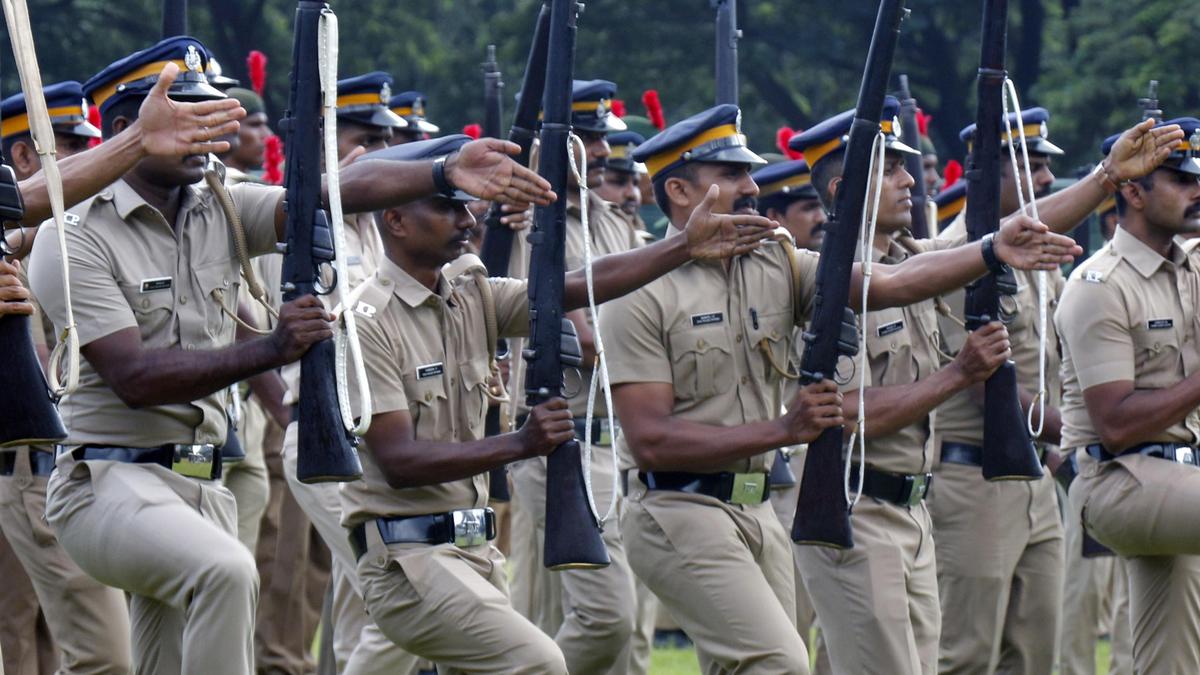
The Kerala government has reverted to a Sub-Inspector-led model for the majority of its police stations after reviewing the Inspector-led system implemented in 2017. Only 63 strategically vital stations will retain Inspector-level SHOs, marking a shift back to traditional administrative structures.
Kerala Restructures Policing: A Return to the Sub-Inspector Model
The Shift in Administrative Policy
The Kerala government has officially announced a significant reorganization of its Station House Officer (SHO) system, marking a departure from the administrative model that has defined the state's law enforcement hierarchy since 2017. By restoring the Sub-Inspector (SI)-led model to the vast majority of its 484 law-and-order police stations, the state is effectively recalibrating how day-to-day policing is managed at the grassroots level.
Historical Context of the 2017 Reform
To understand the significance of this change, one must look back at the 2017 policy shift. At that time, the government moved to appoint Inspectors as SHOs in 196 stations, a number that eventually grew to 268 by 2018. This expansion was likely intended to bring more senior-level oversight to local stations. However, the subsequent decision to revert to the SI-led model suggests that the administrative challenges of this high-level staffing model—perhaps regarding resource allocation or command structure efficiency—outweighed the perceived benefits.
The Role of the Committee Review
This policy reversal was not a sudden political whim but the result of a formal review process. A committee led by the Additional Director General of Police (ADGP) conducted a thorough examination of the existing Inspector-SHO framework. This evidence-based approach underscores the government's attempt to optimize internal police functioning by aligning personnel rank with the actual operational requirements of specific stations.
Strategic Exceptions and Operational Logic
While the shift is widespread, it is not total. The government has identified 63 "strategically important" police stations that will continue to be led by Circle Inspectors. This dual-track approach reflects a nuanced understanding of policing: smaller or standard stations can function effectively under the direct supervision of a Sub-Inspector, while high-stakes or high-traffic areas require the seniority and broader jurisdiction afforded by an Inspector-level officer.
Broader Implications for Law and Order
By decentralizing the leadership structure in the majority of stations, the Kerala police force may be aiming to improve responsiveness and reduce the bureaucratic bottlenecking that can occur when higher-ranking officers are tied down by routine administrative tasks. This move empowers Sub-Inspectors, who are often more familiar with the local beat, to take greater ownership of their jurisdictions.
Future Trends and Outlook
Moving forward, the success of this transition will depend on the efficacy of the handover and the training provided to Sub-Inspectors assuming these expanded roles. This structural adjustment suggests that Kerala is prioritizing a hybrid model that balances the need for senior oversight in critical zones with the operational agility of a traditional SI-led system in routine areas. This policy will likely serve as a case study for other Indian states evaluating their own police station management hierarchies.
Verification Required?