Hours after ban, BCI reverses decision on NALSAR 2026 batch over CJI invite row
Source Entity
TOI NEWS DESK
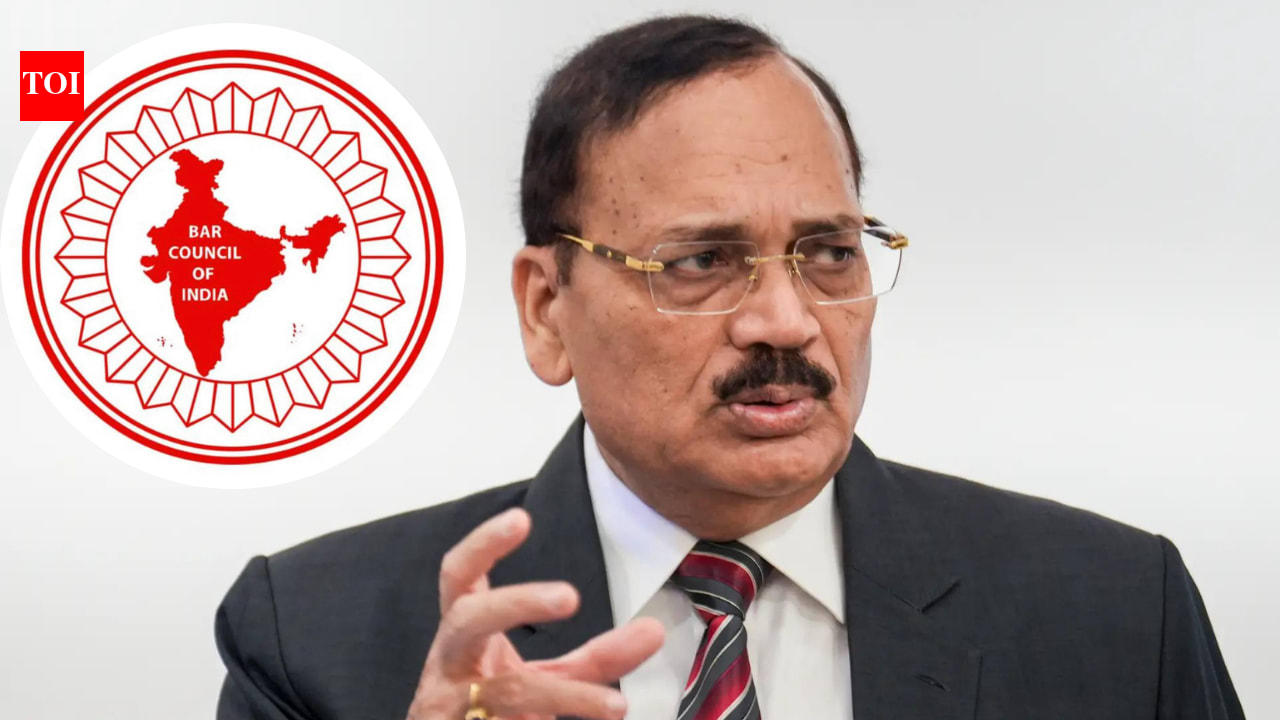
The Bar Council of India (BCI) briefly suspended the enrollment of 2026 NALSAR law graduates following a student-led campaign against the participation of CJI Surya Kant in their convocation. The BCI has since withdrawn the freeze but continues to demand a report identifying those responsible for the protest.
The NALSAR-BCI Standoff: A Crisis of Institutional Protocol
The recent administrative clash between the Bar Council of India (BCI) and NALSAR University of Law, Hyderabad, marks a significant moment in the intersection of academic freedom and professional regulatory oversight. The controversy was ignited when students at the premier institution organized a campaign opposing the invitation of Chief Justice of India (CJI) Surya Kant to their convocation ceremony. This move prompted an immediate and severe reaction from the BCI, which functions as the statutory body responsible for regulating legal education and professional conduct in India.
The BCI’s Initial Regulatory Intervention
In an unprecedented move, BCI Chairman Manan Kumar Mishra issued a directive to state bar councils to halt the enrollment of all 2026 graduates from NALSAR. By effectively threatening the future careers of the entire graduating class, the BCI signaled that it viewed the student protests not merely as an exercise of campus activism, but as a potential challenge to the dignity of the highest judicial office in the country. This action underscored the BCI's assertion of authority over the professional trajectories of law students even before they are formally called to the bar.
Escalation and Demand for Accountability
Beyond the temporary freeze, the BCI demanded a comprehensive report from NALSAR administration within three days. The mandate required the university to identify the specific individuals instrumental in initiating and organizing the campaign against the CJI. This requirement for internal identification highlights a growing tension between the administrative control exercised by the BCI and the traditional autonomy often enjoyed by elite national law schools regarding student conduct and freedom of expression.
The Sudden Reversal and Its Implications
Following the initial directive, the situation took a dramatic turn when the BCI withdrew the order freezing the enrollment of the 2026 batch just hours after it was issued. While the immediate threat to the students' professional standing was lifted, the BCI noted that the decision followed thorough deliberation. This rapid reversal suggests a recognition of the legal and ethical complexities involved in collective punishment, yet the underlying demand for an inquiry into the nature of the protest remains a point of contention.
Broader Trends in Legal Education Governance
This incident highlights a broader trend toward increased centralization in the governance of Indian law schools. As the BCI continues to play an active role in enforcing professional standards, the line between academic dissent and professional misconduct is being tested. The incident serves as a reminder to academic institutions that their internal student affairs can have far-reaching consequences when they intersect with the sensitivities of the judiciary and the regulatory bodies that govern the legal profession.
Conclusion
While the immediate crisis regarding the 2026 graduates has been mitigated by the withdrawal of the enrollment freeze, the incident leaves lingering questions about the limits of regulatory power and the scope of student activism. The requirement for a factual report on the organizers suggests that the matter remains under the watchful eye of the BCI, ensuring that the dialogue between the regulatory body and the university will continue to be a focal point for the legal community in the coming months.
Multiple Citing Sources