Kerala Water Authority to hand over unused Kaloor reservoir to SUEZ
Source Entity
India Latest News: Top National Headlines Today & Breaking News | The Hindu
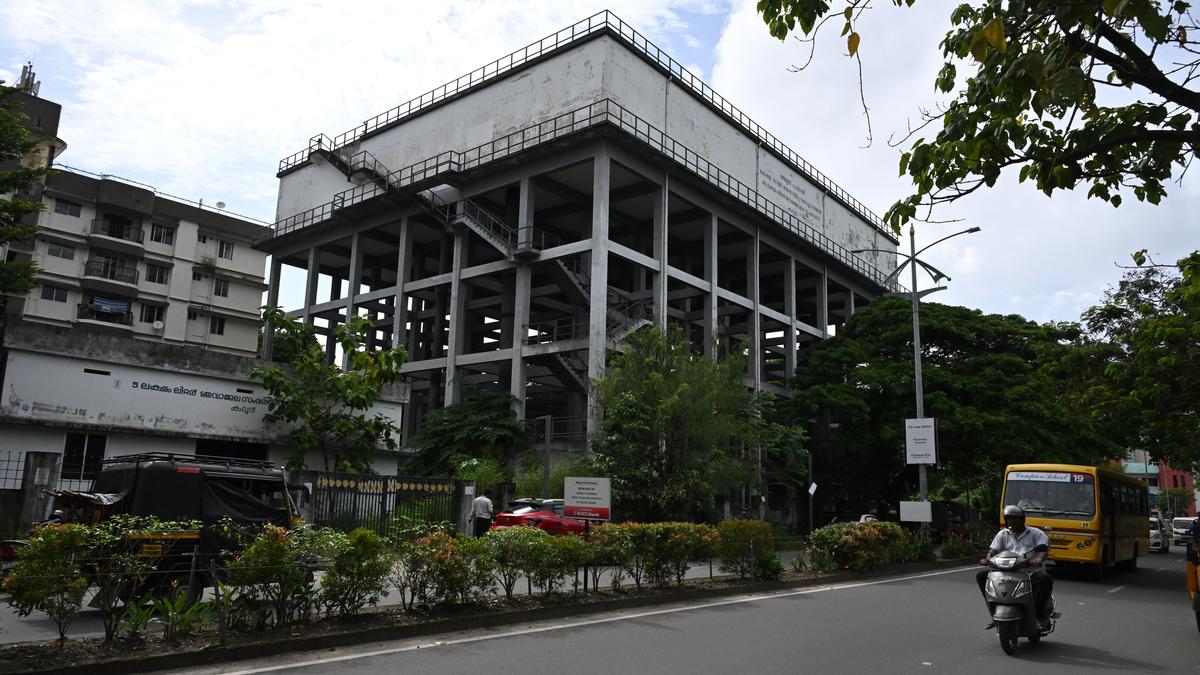
The Kerala Water Authority is handing over the unused 40-lakh-litre Kaloor reservoir to SUEZ to bolster Kochi's water distribution. This initiative aims to address chronic supply shortages and provide a critical backup for the existing Thammanam tank network.
Revitalizing Kochi's Water Infrastructure
The Kerala Water Authority (KWA) has initiated a strategic plan to transfer the management of the 40-lakh-litre Kaloor overhead reservoir to the French firm SUEZ. This reservoir, recognized as the largest of its kind within Kochi city limits, has remained dormant for an extended period. By integrating this facility into the operational framework currently managed by SUEZ, the KWA aims to rectify long-standing inefficiencies in the urban water distribution network.
Addressing Operational Deficits
Currently, the water supply landscape in Kochi is strained, with only six out of 13 overhead storage reservoirs across the corporation limits being fully operational. This significant infrastructure deficit has led to recurring supply challenges, particularly for residents at the tail-end of the distribution lines. The reactivation of the Kaloor tank is a targeted effort to bridge this gap, ensuring that the city's storage capacity is utilized to its maximum potential rather than remaining an abandoned asset.
Strategic Partnership with SUEZ
SUEZ, which has been tasked with the operation and maintenance of drinking water supply in the region, brings specialized expertise to the project. The decision to involve a private entity with international experience suggests a shift toward more robust management protocols. By handing over the Kaloor facility, the KWA intends to leverage SUEZ’s operational capacity to resolve the technical hurdles that previously prevented the tank from becoming functional.
Strengthening the Distribution Network
The primary objective of this handover is to provide a reliable buffer for the existing Thammanam tank network. By serving as a critical reserve, the Kaloor reservoir will mitigate the impact of supply disruptions that currently plague the area. This redundancy is essential for maintaining consistent water pressure and flow, preventing the frequent outages that have hampered the local community's access to clean water.
Future Implications for Urban Planning
The KWA’s move signals a broader trend of optimizing existing public assets to meet the rising demands of urban growth. If the integration of the Kaloor reservoir proves successful in stabilizing the Thammanam-served zones, it could serve as a pilot model for the revitalization of the remaining non-operational reservoirs in Kochi. This proactive approach is vital for addressing the systemic tail-end shortages that have long challenged the city’s water distribution efforts.
Conclusion
In summary, the transition of the Kaloor reservoir to SUEZ represents a pivotal step in strengthening Kochi's water security. By addressing the current underutilization of infrastructure and prioritizing network resilience, the Kerala Water Authority is taking necessary measures to ensure a more stable and equitable water supply for the city's inhabitants.
Verification Required?