Objection to chief guest, big Bar Council order, then a U-turn: NALSAR University-CJI Kant invite row explained
Source Entity
Latest News: Todays Latest News Headlines from India & World | Hindustan Times | Hindustan Times
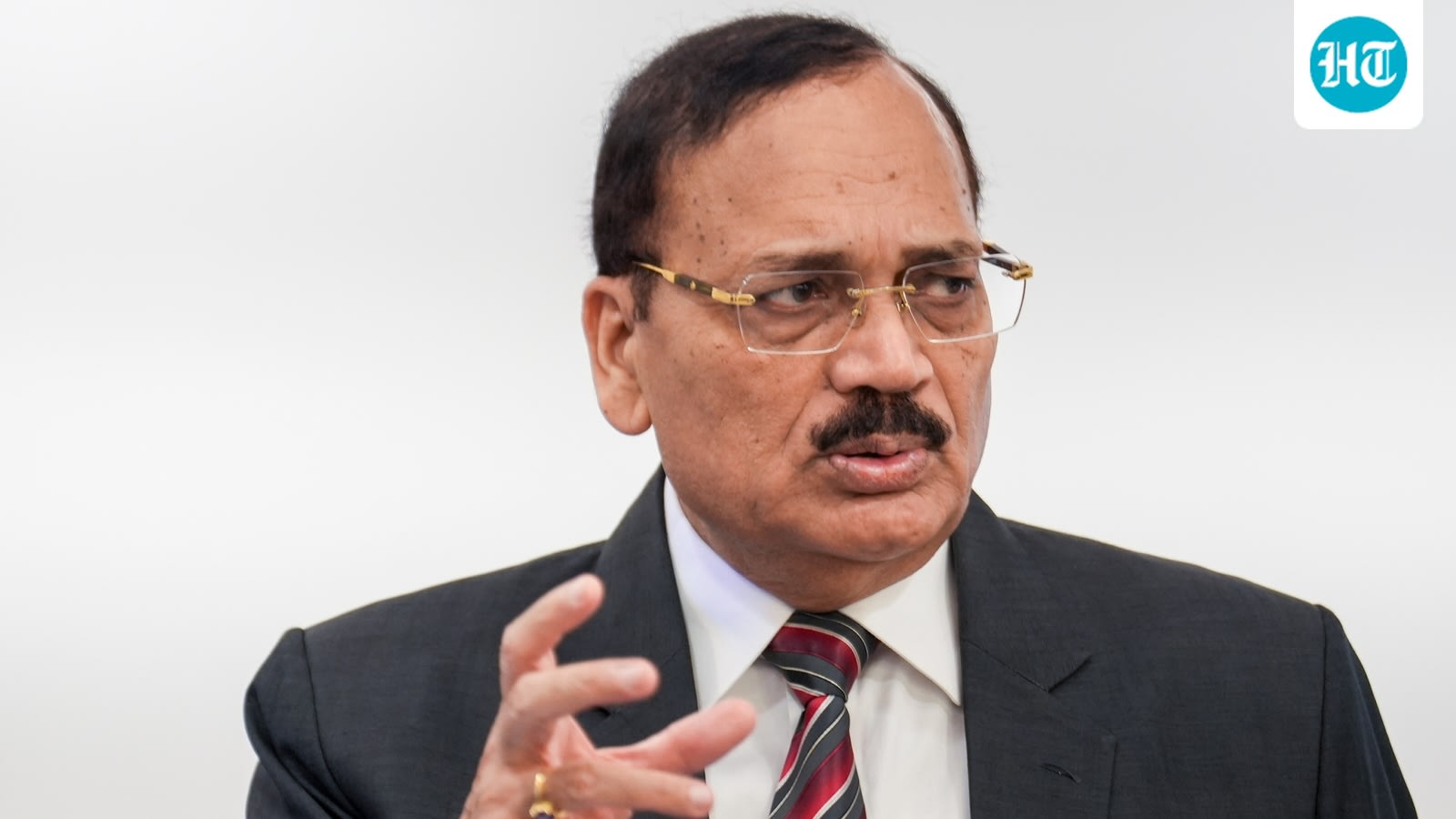
The Bar Council of India briefly suspended the enrollment of 2026 NALSAR law graduates following a student-led campaign against the Chief Justice of India. The order was withdrawn shortly after issuance, though the BCI continues to demand an investigation into the organizers of the protest.
The NALSAR-BCI Standoff: A Crisis of Academic and Professional Conduct
The legal fraternity in India witnessed a rare and high-stakes confrontation between the Bar Council of India (BCI) and the student body of the National Academy of Legal Studies and Research (NALSAR), Hyderabad. The conflict originated from an organized campaign by students opposing the participation of Chief Justice of India (CJI) Surya Kant in the university's convocation ceremony. This act of dissent prompted an immediate and severe administrative reaction from the BCI.
The BCI’s Initial Regulatory Intervention
Following reports of the student protest, BCI Chairman Manan Kumar Mishra issued a directive to all State Bar Councils to halt the enrollment of 2026 NALSAR graduates as advocates. This move effectively threatened the professional future of the entire graduating batch, transforming a localized institutional disagreement into a national issue regarding the professional regulation of law students. The BCI further demanded a comprehensive report from NALSAR to identify the individuals responsible for orchestrating the campaign.
The Dynamics of Academic Dissent and Professionalism
At the heart of this controversy lies the tension between the right to dissent within academic environments and the professional expectations set by the BCI. For law students, the BCI acts as both a regulatory body and a gatekeeper to the legal profession. By freezing enrollments, the BCI asserted its authority to enforce professional decorum, signaling that perceived disrespect toward the judiciary could have tangible consequences on a student's ability to practice law.
A Dramatic Reversal
In a swift and unexpected turn of events, the BCI withdrew its order freezing the enrollment of the 2026 batch just hours after it was issued. The decision to rescind the freeze suggests a recalibration by the Council, perhaps acknowledging the disproportionate nature of penalizing an entire class for the actions of a subgroup. However, the BCI’s insistence on a factual report regarding the campaign organizers indicates that the regulatory inquiry into the conduct of those involved remains active.
Broader Implications for Legal Education
This event highlights the fragile equilibrium between elite law schools and the statutory bodies that govern the legal profession. The incident raises significant questions about the limits of student activism in professional courses and the degree to which regulatory bodies should intervene in campus politics. As the situation remains under review until August 19, 2026, the legal community will be watching to see how the BCI balances its mandate to maintain judicial dignity with the fundamental rights of students to express their views.
Looking Ahead: Future Trends
Moving forward, this episode may lead to more formalized guidelines regarding student conduct at law schools to prevent similar clashes. The BCI's focus on identifying the organizers implies a move toward stricter accountability for collective actions that challenge judicial figures. The resolution of this matter will likely set a precedent for how future disputes between legal institutions and the Bar Council are mediated, emphasizing that while dissent is part of the academic fabric, it operates within a stringent professional framework.
Multiple Citing Sources
Verification Required?