Bengal strips BJP MP Ananta Maharaj of state honour over remarks 'insulting' Netaji
Source Entity
TOI NEWS DESK
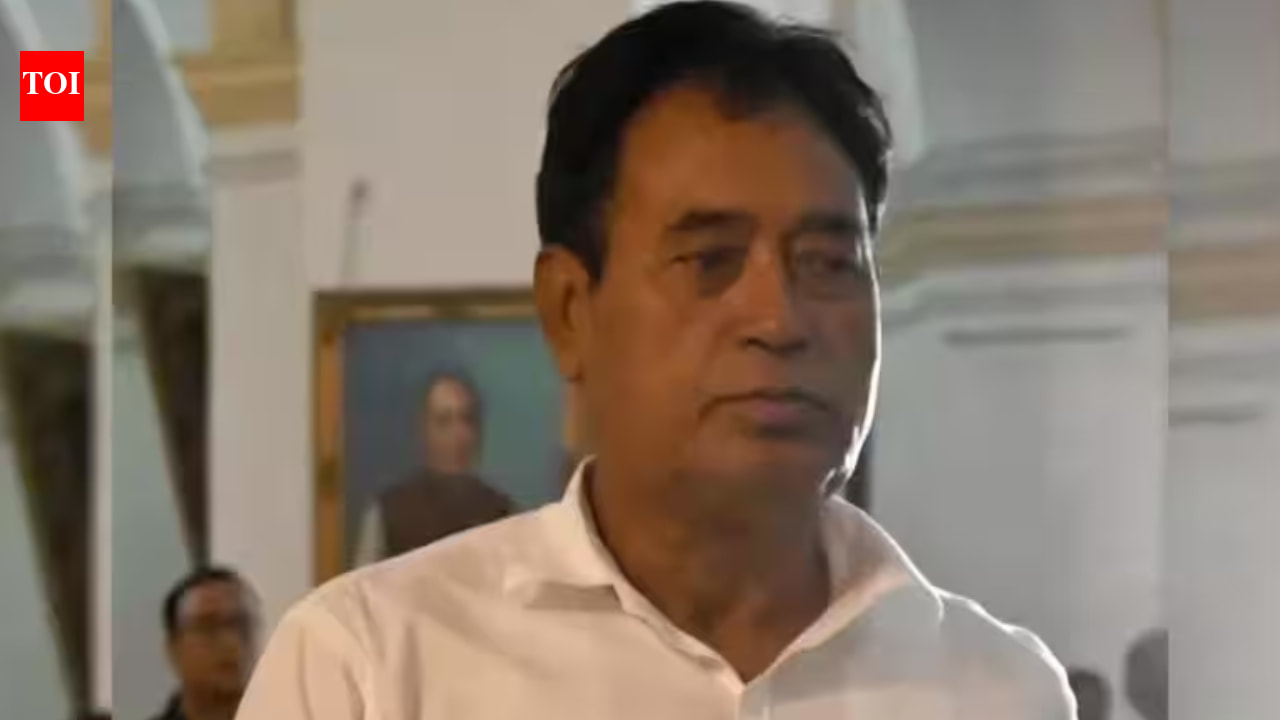
The West Bengal government has revoked the Banga Bibhushan award from BJP MP Ananta Maharaj (Nagendra Ray) following his derogatory remarks about Netaji Subhas Chandra Bose. This decision follows public outcry and a warning from state leadership regarding the sanctity of historical figures.
The Revocation of the Banga Bibhushan: A Political and Historical Clash
The Conflict Over Historical Legacy
The decision by the West Bengal government to rescind the Banga Bibhushan award from BJP Rajya Sabha MP Nagendra Ray, widely known as Ananta Maharaj, marks a significant escalation in the state's ongoing political and cultural tensions. The award, which represents the highest civilian honor bestowed by the state, was stripped following comments by the MP that questioned the leadership of Netaji Subhas Chandra Bose and the historical establishment of the Azad Hind Fauj. For the people of West Bengal, Netaji is not merely a historical figure but a cornerstone of Bengali identity and the Indian independence movement, making any perceived slight against his legacy a matter of intense public sensitivity.
Contextualizing the Award and Its Withdrawal
Initially conferred on February 21, 2026, the Banga Bibhushan was intended to recognize Ray’s contributions to the Rajbanshi community and his efforts in promoting its language and culture. The government's decision to annul the honor emphasizes that the award carries a 'high degree of dignity, prestige, and institutional purpose.' By choosing to revoke it, the state administration is asserting that the preservation of historical integrity and the honoring of national icons supersede previous contributions to regional cultural development.
The Role of Political Rhetoric
This incident follows a stern warning from state leadership regarding the necessity of maintaining decorum when discussing historical figures. The rapid nature of the government's response—issuing an order through the Information and Cultural Affairs Department to take effect immediately—highlights the administration's commitment to silencing discourse deemed insulting to the state's revered icons. This move serves as a strategic maneuver to align the government with public sentiment, which has reacted with strong backlash against the MP’s statements.
Broader Implications for State Politics
The revocation serves as a microcosm of the broader political friction between the ruling administration and the BJP in West Bengal. By framing the withdrawal as a reaction to 'certain facts and circumstances' that arose post-award, the government has created a clear boundary for what it considers acceptable public discourse. This sets a precedent where state-sanctioned honors may be subject to retroactive review based on the recipient's evolving political rhetoric, potentially altering how future recipients approach their public commentary.
Future Trends in Cultural Governance
Looking forward, this event suggests a tightening of standards for state-sponsored recognition. As political polarization continues to influence the cultural landscape, we can expect that the criteria for maintaining civilian honors will become increasingly tied to adherence to state-approved historical narratives. This development signals a trend where historical figures are utilized as touchstones for political legitimacy, and any deviation from the accepted veneration of these figures will likely result in swift administrative and social consequences.