'In Bengaluru, one day off was never enough': Doctor moves to tier-3 city, compares pace of life
Source Entity
Latest News: Todays Latest News Headlines from India & World | Hindustan Times | Hindustan Times
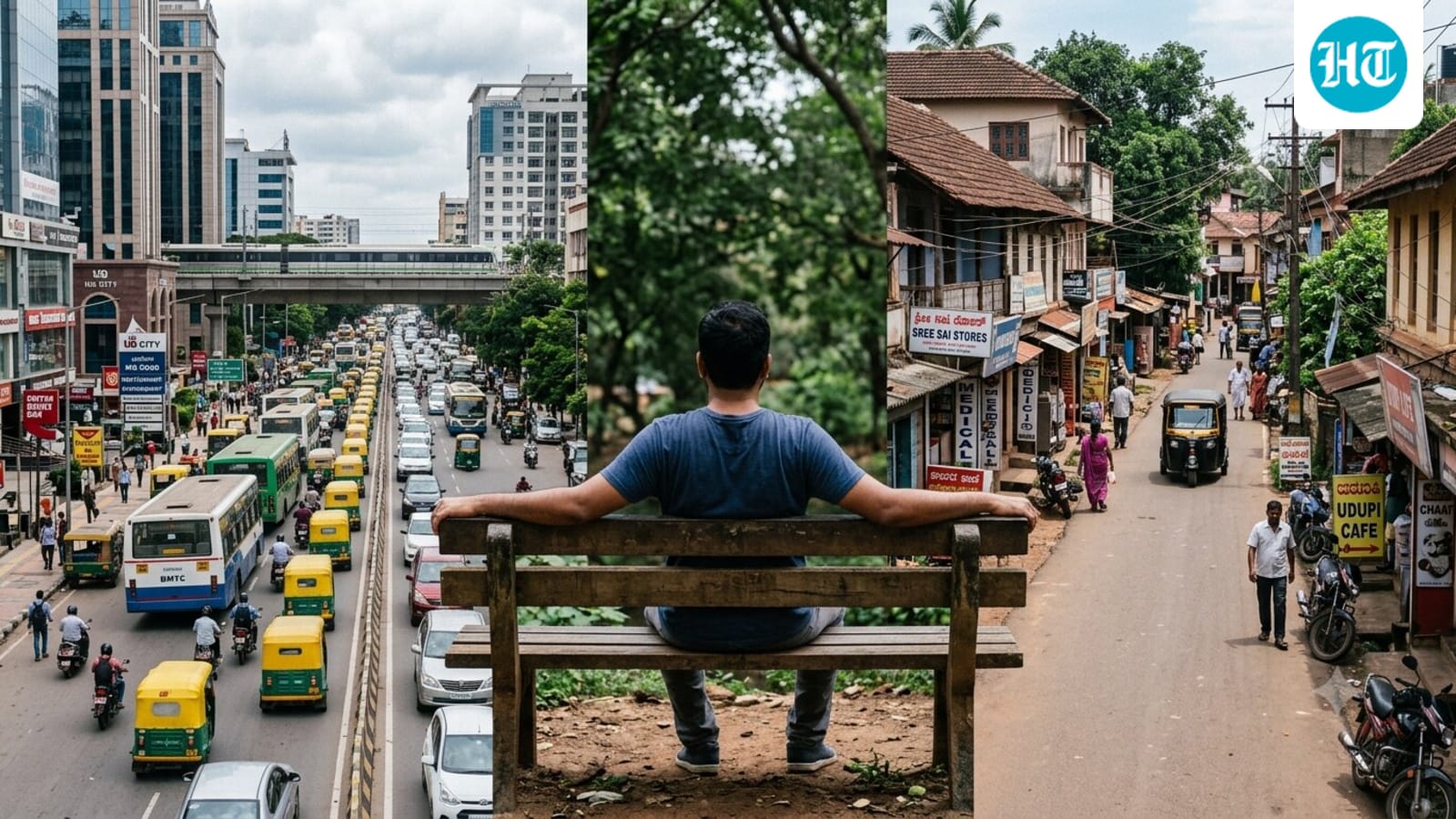
A Bengaluru-based doctor's viral post highlights the stark contrast in work-life balance between India's major tech hubs and smaller tier-3 cities. His experience moving to Bidar underscores a growing trend of professionals seeking slower, more fulfilling lifestyles.
The Great Urban Migration: Reevaluating Quality of Life
The recent discourse sparked by a Bengaluru-based doctor, known online as 'TheFitDoc,' has struck a resonant chord with many professionals struggling with the relentless pace of India's metropolitan centers. By sharing his personal transition from the high-pressure environment of Bengaluru to the quieter surroundings of Bidar, he has opened a broader conversation regarding the hidden costs of urban success—specifically, the erosion of personal time and the persistent feeling of time-scarcity.
The Bengaluru Burnout: A Symptom of Urban Density
For many, Bengaluru represents the pinnacle of professional opportunity, yet it is often synonymous with long commutes, gridlock traffic, and a pervasive 'hustle culture.' The doctor’s testimony that 'one day off was never enough' reflects a common psychological state among urban workers: the feeling that their downtime is perpetually consumed by the logistics of city living. In such environments, the pace of life is dictated by external pressures rather than personal choice, leading to a diminished sense of agency over one's daily schedule.
Time as a Luxury in Tier-3 Cities
In contrast, the doctor’s experience in Bidar serves as a case study for the benefits of decentralization. By noting that he could manage a long run, a meal, and a nap while still finding it was only 2 PM, he highlights how the removal of urban friction—such as hours spent in transit—reclaims 'lost' time. This phenomenon suggests that in tier-3 cities, time functions differently; the reduced social and physical friction allows for a more intentional, slower-paced existence that modern urbanites often lack.
The Broader Implications for Workforce Trends
This shift reflects an emerging trend where skilled professionals are beginning to prioritize well-being over the perceived benefits of living in major tech hubs. As remote work becomes more normalized and infrastructure improves in smaller cities, the 'pull' of Tier-1 cities is being challenged by the 'push' of burnout. If this trend continues, we may see a significant redistribution of talent, as professionals seek environments that support mental health and a more balanced lifestyle.
Conclusion: The Future of Work-Life Integration
Ultimately, the doctor’s reflection is not merely a critique of Bengaluru, but an observation on the value of time. The desire for a slower pace is a response to the hyper-stimulated, high-demand lifestyle that characterizes modern urban development. As more individuals share their stories of finding balance outside the metropolitan core, the societal definition of success is shifting from purely professional attainment to a more holistic integration of work, leisure, and personal longevity.
Verification Required?