Expired food, stale bread found at prominent Bengaluru hospital during safety inspection
Source Entity
Latest News: Todays Latest News Headlines from India & World | Hindustan Times | Hindustan Times
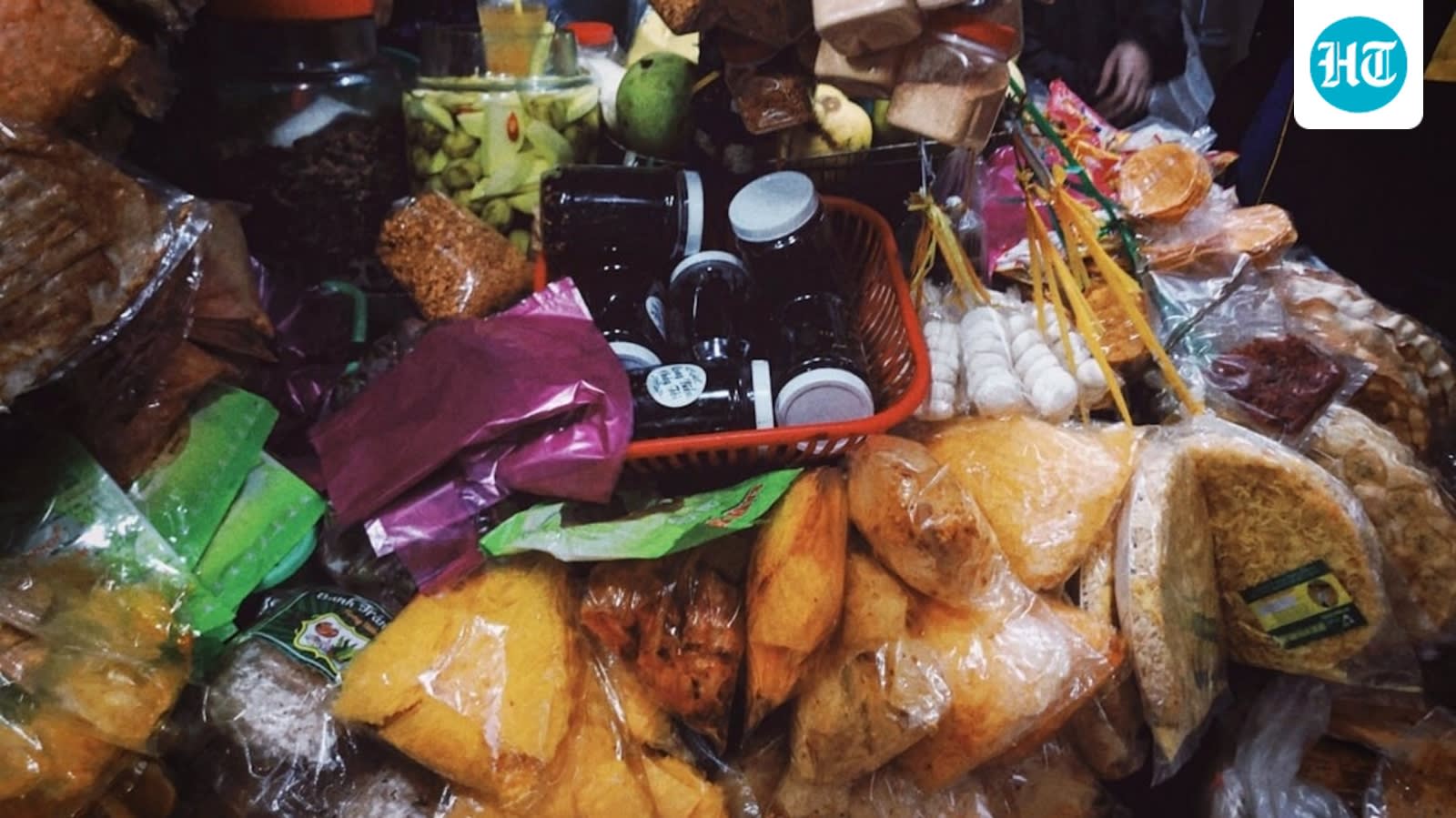
Recent food safety inspections in Bengaluru have exposed widespread hygiene failures across high-end hotels, hospitals, and quick-commerce warehouses. The raids revealed expired ingredients, poor storage practices, and health risks, shattering the perception that premium pricing guarantees food safety.
Bengaluru Food Safety Crisis: A Systemic Failure
Recent food safety inspections conducted by the Karnataka Food Safety and Drug Administration (FSDA) have sent shockwaves through Bengaluru, revealing a pervasive crisis of standards that transcends socioeconomic boundaries. For years, consumers have operated under the assumption that premium pricing—whether at a five-star hotel or a reputed hospital—acts as a proxy for rigorous hygiene and quality control. However, the ongoing drive, which began on August 7, has systematically dismantled this narrative by exposing that negligence is not limited to roadside stalls, but is equally prevalent in elite establishments.
The Scope of the Inspection
The FSDA’s comprehensive crackdown has been remarkably broad in its scope. By targeting over 60 three-star and five-star hotels, international fast-food chains, government-run Indira Canteens, and the supply chain infrastructure of quick-commerce platforms, authorities have highlighted a systemic breakdown in the food service industry. The discovery of expired goods, rotten produce, and hazardous storage practices at such a wide variety of locations suggests that the issue is not merely one of individual error, but a failure of institutional oversight and standard operating procedures.
Healthcare Facilities Under Scrutiny
Perhaps most alarming is the recent discovery of expired food items within a prominent Bengaluru hospital on BG Road. In an environment where patients are already vulnerable and reliant on institutional care for their recovery, the presence of expired rava, maida, icing sugar, and stale bread represents a severe breach of trust. The seizure of large quantities of expired materials—including 30 kg packets of green peas, fried gram, and moong dal—indicates that these practices were not isolated incidents but potentially habitual behaviors that put sick individuals at further risk of foodborne illnesses.
The Quick-Commerce and Supply Chain Link
The involvement of quick-commerce warehouses in these raids marks a significant shift in how food safety is regulated in the digital age. As consumers increasingly rely on apps for rapid delivery, the warehousing facilities behind these platforms have become critical nodes in the food supply chain. The sealing of several of these warehouses due to non-compliance signals that the rapid expansion of the gig economy has often outpaced the regulatory frameworks necessary to ensure that the goods being delivered are safe for human consumption.
Implications and Future Trends
The findings in Bengaluru serve as a wake-up call for urban food safety across India. Moving forward, it is likely that regulatory bodies will transition toward more frequent, unannounced audits and stricter punitive measures for repeat offenders. Consumers are also likely to demand greater transparency regarding the supply chain and storage conditions of the food they purchase. This shift necessitates a cultural change within the hospitality and retail sectors, where food safety must be viewed as a non-negotiable operational priority rather than a checkbox for compliance.
Conclusion
The events in Bengaluru underscore a critical need for rigorous, consistent enforcement of health standards. As the city continues to grow, the reliance on both traditional dining and modern delivery systems requires a robust regulatory response. The FSDA’s recent actions are a necessary step in holding high-profile establishments accountable, ensuring that the safety of the public is not compromised by the pursuit of convenience or profit margins.
Multiple Citing Sources
Verification Required?