Safety not on the platter: Bengaluru’s food safety checks expose gaps, from star hotels to quick-commerce warehouses
Source Entity
India Latest News: Top National Headlines Today & Breaking News | The Hindu
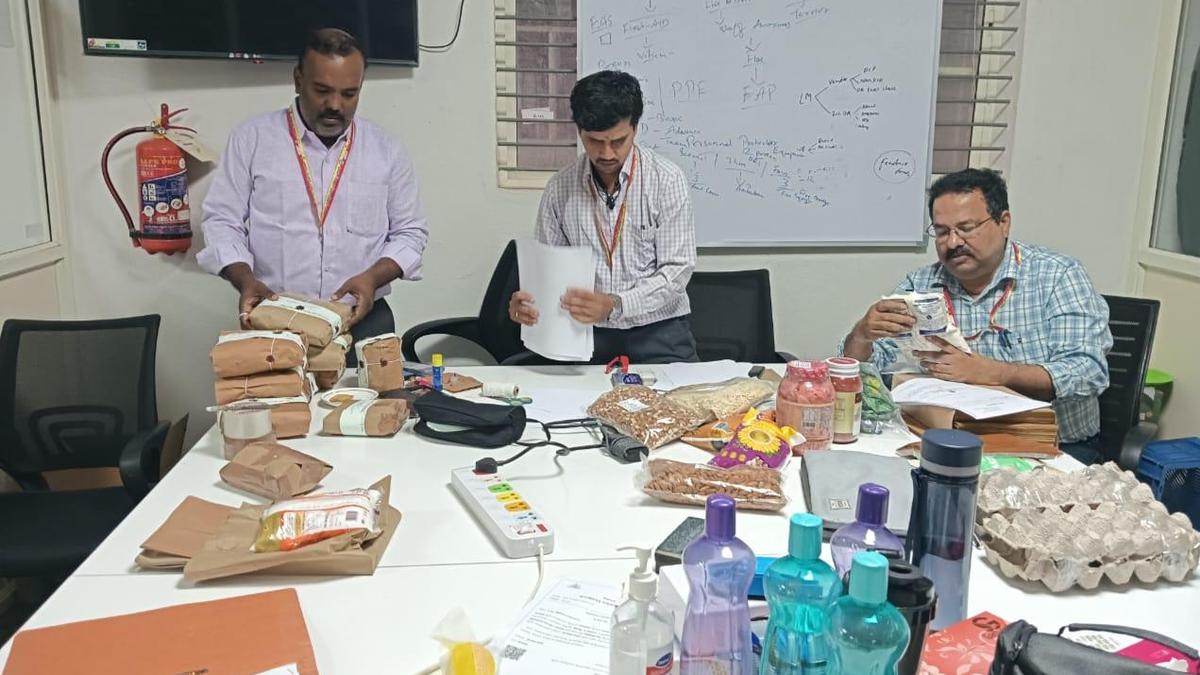
Recent food safety raids in Bengaluru have uncovered widespread hygiene violations across star hotels, hospitals, and quick-commerce warehouses. The findings challenge the public perception that premium pricing or brand recognition guarantees food safety.
Bengaluru Food Safety Crisis: A Systemic Failure
The recent series of food safety inspections conducted by the Karnataka Food Safety and Drug Administration (FSDA) has sent shockwaves through Bengaluru. By casting a wide net that includes everything from roadside eateries to elite five-star hotels and critical hospital kitchens, officials have systematically dismantled the long-held public assumption that high pricing or brand reputation acts as a proxy for hygiene and quality control.
The Illusion of Premium Quality
For years, consumers have operated under the belief that premium dining establishments and international chains maintain rigorous safety standards. However, the ongoing drive, which commenced on August 7, has revealed a starkly different reality. Inspections spanning over 60 star-rated hotels have unearthed alarming issues, including the use of rotten produce, improper storage protocols, and the dangerous reuse of cooking oil. These findings suggest that the problem is not isolated to informal or low-cost vendors, but is instead a systemic issue that permeates the upper echelons of the city’s hospitality industry.
Critical Failures in Institutional Kitchens
Perhaps most concerning is the revelation regarding hospital kitchens. Inspections at a reputed hospital on Bannerghatta (BG) Road uncovered a cache of expired essentials, including rava, icing sugar, and maida, alongside stale bread and significant quantities of expired snack items like paani puri and mixture. The presence of expired ingredients in a facility dedicated to patient recovery highlights a profound failure in institutional oversight and procurement management, raising serious questions about the vulnerability of those who are already in a state of compromised health.
The Quick-Commerce Conundrum
Beyond traditional dining and institutional care, the raids have extended to the backend of the digital economy: quick-commerce warehouses. The sealing of warehouses linked to platforms like Zepto underscores the growing concern regarding the "dark store" model. As these platforms promise unprecedented delivery speeds, the infrastructure supporting them—often hidden from public view—appears to be struggling to maintain the cold chain and sanitation standards necessary for food safety.
Regulatory Implications and Future Trends
These inspections serve as a wake-up call for regulatory bodies and the private sector alike. The FSDA’s aggressive approach signifies a shift toward stricter enforcement, moving away from reactive measures toward proactive, ongoing surveillance. Future trends will likely include more stringent licensing requirements, mandatory third-party audits for high-volume food handlers, and increased transparency regarding inspection results for the end consumer.
Conclusion
Ultimately, the Bengaluru food safety crisis demonstrates that trust in a brand is no substitute for rigorous, independent oversight. As the city continues to expand as a culinary and technological hub, the necessity for a robust food safety culture becomes paramount. Protecting public health will require not just intermittent raids, but a sustained commitment to transparency and accountability from every entity involved in the food supply chain.
Verification Required?