US wait times for cancer surgeries are getting longer and longer
Source Entity
Beth Mole
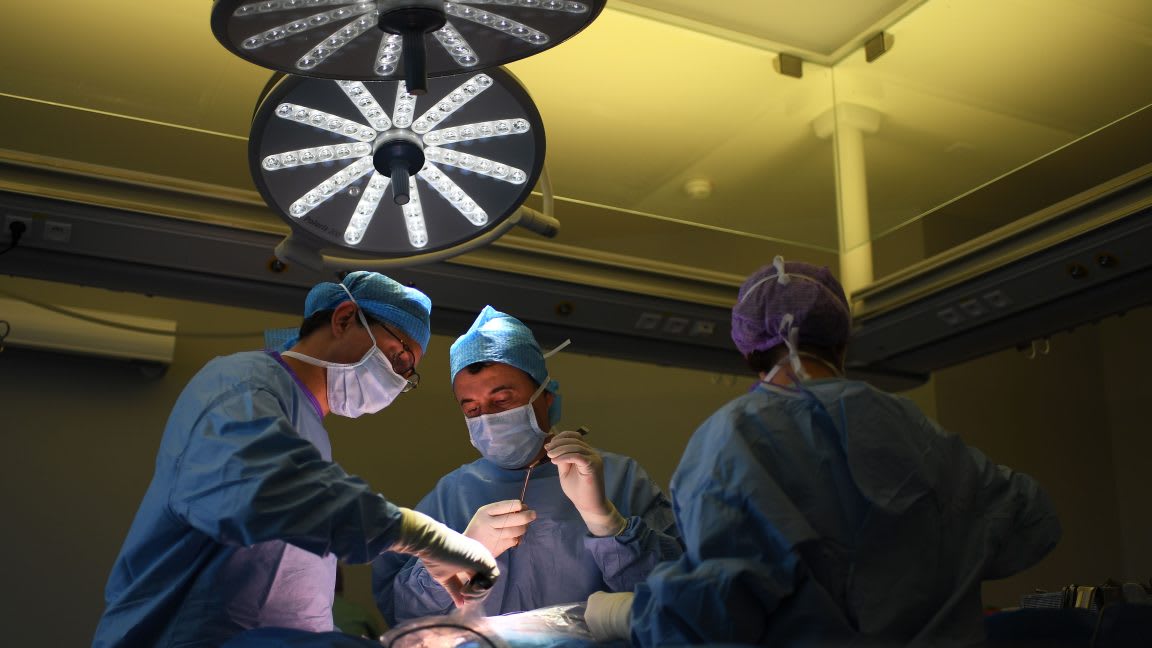
A new study in JAMA Surgery reveals that wait times for cancer surgeries in the U.S. have reached a 10-year high. These delays for six major cancer types threaten patient outcomes and highlight a growing crisis in healthcare delivery efficiency.
The Growing Crisis: Escalating Wait Times for Cancer Surgery
Recent data published in JAMA Surgery has sounded a critical alarm regarding the quality of oncological care in the United States. A comprehensive study analyzing over 2.7 million patient records between 2012 and 2023 indicates that wait times for surgical intervention have reached a decade-long peak. While medical science has made monumental strides in diagnostic precision and therapeutic efficacy, the logistical infrastructure required to deliver these life-saving surgeries is failing to keep pace with demand.
Impacted Patient Populations
The study specifically examined patients diagnosed with non-metastatic stage I–III cancers, focusing on six high-prevalence categories: breast, colon, lung, pancreatic, gastric, and esophageal cancers. For these patients, surgery is often the primary curative intervention. The finding that wait times have consistently increased since 2012 suggests a systemic degradation in care coordination, moving away from the clinical ideal of timely intervention that is paramount for early-stage malignancy management.
Clinical Implications of Delayed Intervention
Timeliness is a fundamental pillar of healthcare quality, yet this study suggests it is becoming an elusive goal. Delays in surgical oncology are not merely administrative inconveniences; they are clinically significant events. The research underscores that prolonged waiting periods are directly linked to poorer survival rates, as tumors may progress or metastasize while patients wait for a slot in the operating room. Furthermore, the psychological burden—manifesting as heightened patient anxiety and distress—cannot be overlooked as a negative byproduct of this systemic inefficiency.
Systemic Challenges and Resource Allocation
Why are these wait times surging despite advancements in surgical technology? The answer likely lies in a complex interplay of workforce shortages, increased administrative burdens, and the consolidation of hospital systems. As cancer treatments become more multifaceted, the pre-operative workup process—involving complex multidisciplinary teams—may be creating bottlenecks. The study led by Timothy Donahue highlights a need for a re-evaluation of how hospital systems prioritize and schedule oncological cases.
Future Trends and Necessary Reforms
Looking ahead, if these trends continue, the U.S. healthcare system faces a potential crisis in oncological outcomes. To reverse this trajectory, policymakers and hospital administrators must prioritize the integration of streamlined surgical scheduling and address the underlying capacity constraints. Without significant intervention, the gap between medical capability and operational delivery will continue to widen, ultimately compromising the efficacy of modern cancer care for the most vulnerable populations.