Can traditional farming rebuild trust in the food we eat?
Source Entity
Latest News: Todays Latest News Headlines from India & World | Hindustan Times | Hindustan Times
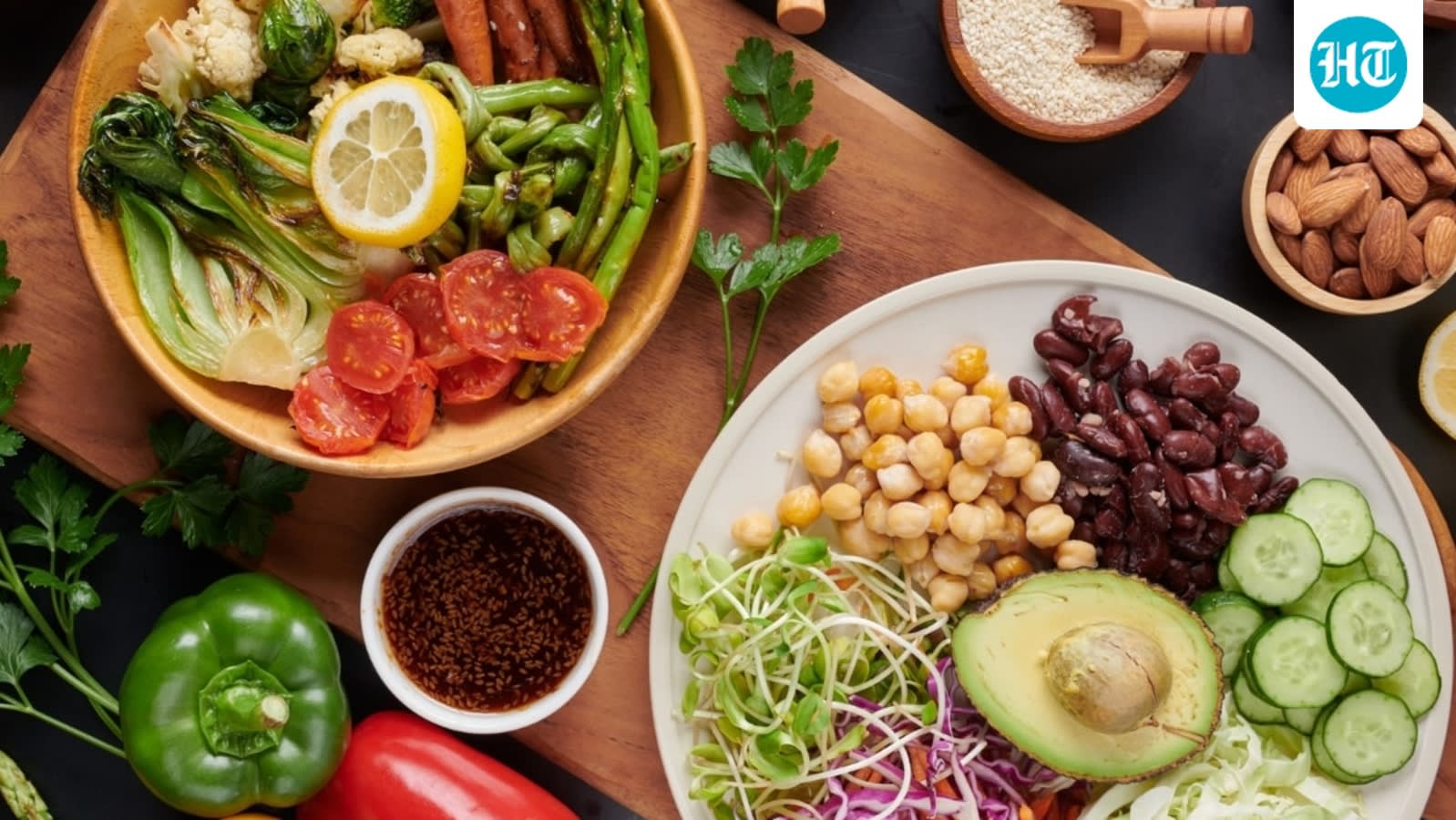
Pallavi Sinha of Adya Organics argues that restoring consumer trust in food requires a return to traditional, natural Indian farming practices. By moving away from chemical-heavy and processed methods, the industry can address growing concerns regarding food adulteration and safety.
The Crisis of Confidence in Modern Food Systems
The contemporary food landscape is undergoing a profound transformation, moving away from a consumer focus solely on convenience and cost toward an intense scrutiny of production integrity. As Pallavi Sinha, Managing Director of Adya Organics, observes, the modern shopper is no longer satisfied with aesthetic presentation; they are increasingly preoccupied with the provenance of their ingredients. This shift is largely driven by a growing apprehension surrounding widespread food adulteration, the prevalence of heavy processing, and the long-term health implications of chemical-laden agricultural practices.
The Erosion of Transparency
For decades, the global industrialization of agriculture prioritized high yields and shelf-life over nutritional density and ecological harmony. However, this model has inadvertently created a 'trust gap' between the producer and the consumer. When food undergoes excessive processing and is treated with synthetic fertilizers and pesticides, the end result often becomes unrecognizable from its natural state. As Sinha highlights, this lack of transparency has led to a climate where consumers feel disconnected from their food source, viewing the modern supply chain with increasing skepticism.
Rediscovering Traditional Wisdom
Rather than seeking technological panaceas, the path to restoring confidence may lie in the past. Indian agriculture, historically grounded in methods that prioritized the natural integrity of crops, offers a blueprint for the future. By moving toward techniques that respect the soil and the biological cycle, farmers can produce food that remains close to its natural form. This approach is not merely nostalgic; it is a strategic shift toward sustainability that aligns with the modern consumer's demand for purity and health-conscious consumption.
The Intersection of Trust and Nutrition
Trust has become as essential to the modern diet as the vitamins and minerals contained within the food itself. When a consumer trusts the process—from the seed to the plate—the psychological barrier to healthy eating is significantly lowered. By re-adopting traditional principles, producers can foster a direct relationship with the public, effectively mitigating the fears associated with chemical use and contamination that currently plague the food industry.
Future Trends and Implications
Looking ahead, the market for 'transparent food' is poised for significant growth. We are likely to see a trend where consumers actively seek out brands that can verify their traditional farming roots. This shift necessitates a structural change in how food companies communicate their value proposition. The future of the food industry will likely be defined by a 'back-to-basics' movement, where the success of agricultural enterprises is measured not just by volume, but by their ability to provide food that is safe, natural, and trustworthy.
Verification Required?