'This is your last chance': SC ultimatum to govt over front pack warning labels
Source Entity
TOI NEWS DESK
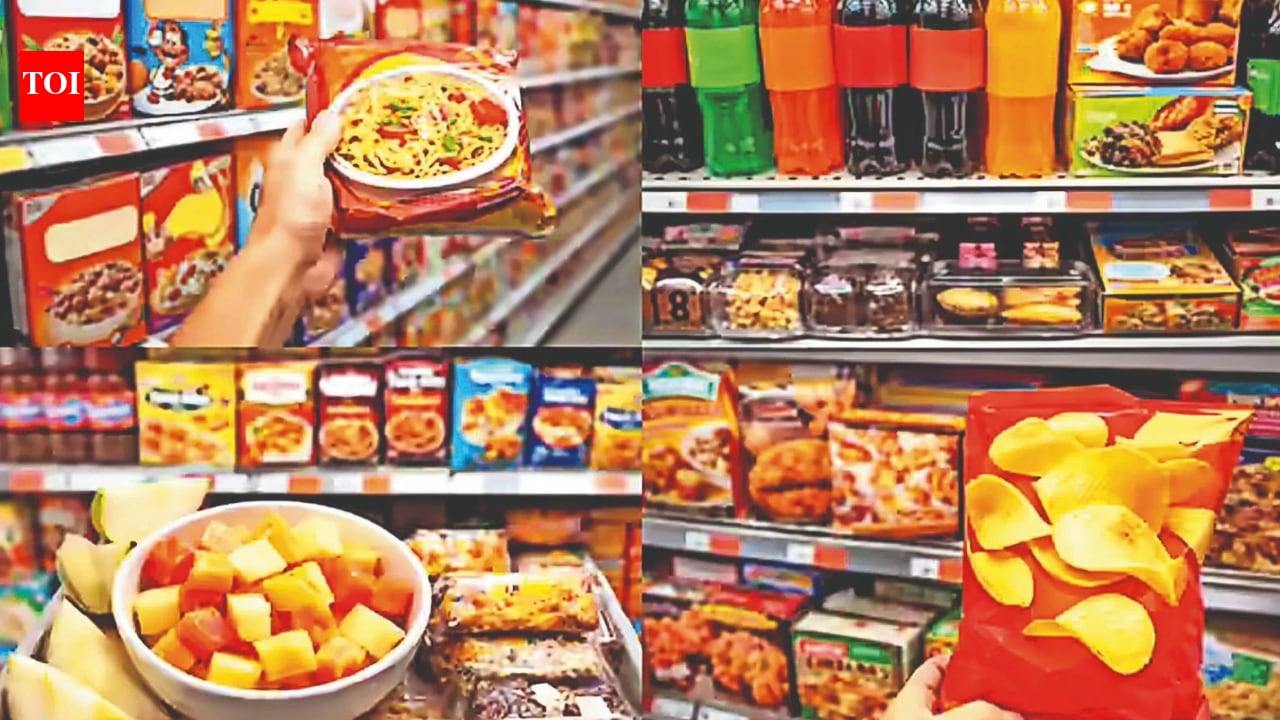
The Supreme Court has issued a final two-week ultimatum to the Indian government to finalize front-of-pack food warning labels. The court emphasized that public health, especially regarding children, must take precedence over industry concerns.
The Supreme Court's Ultimatum on Food Labeling
The Supreme Court of India has issued a stern directive to the central government, signaling an end to the protracted delays regarding the implementation of front-of-pack (FOP) warning labels on food products. By characterizing the current situation as a "last chance," the judiciary has underscored the urgency of addressing nutritional transparency in the Indian food market. This move specifically targets the Food Safety and Standards Authority of India (FSSAI), which has faced criticism for failing to finalize labeling standards that inform consumers about high levels of sugar, salt, and fats in packaged goods.
Prioritizing Public Health Over Industry Interests
A core tension highlighted by the court is the friction between commercial interests and public health mandates. The FSSAI and government representatives have previously cited concerns regarding the impact on traditional food sectors and the alignment with various foreign standards as reasons for the delay. However, the Supreme Court has unequivocally dismissed these arguments, asserting that the protection of citizens—particularly the younger demographic—must remain the primary objective of regulatory policy. The bench's stance suggests that economic arguments from the food industry will no longer be accepted as a valid justification for stalling health-critical regulations.
The Vulnerability of Children and Nutritional Literacy
The specific emphasis on the health of children brings a crucial dimension to this legal intervention. In an era where lifestyle-related non-communicable diseases (NCDs) such as childhood obesity and early-onset diabetes are rising, the lack of clear, at-a-glance information on packaged food is viewed as a significant policy failure. By mandating that the Centre cement its decision within a fortnight, the court is advocating for a system that empowers parents and children to make informed dietary choices, effectively treating nutritional labeling as a fundamental consumer right rather than a bureaucratic suggestion.
Implications of Judicial Activism in Public Health
This ultimatum serves as a prime example of the judiciary stepping into a policy-making vacuum. When regulatory bodies like the FSSAI fail to act decisively, the Supreme Court’s intervention acts as a catalyst to force government accountability. This approach signals a broader shift where the judiciary is willing to oversee the implementation of public health standards, potentially setting a precedent for how other health-related policies are treated in the future. If the government fails to meet the two-week deadline, the court has hinted that it will initiate further judicial actions to ensure compliance.
The Path Forward for Regulatory Standards
As the fortnight deadline commences, the government is now under immense pressure to finalize a labeling framework that is both scientifically robust and practically enforceable. The challenge lies in creating a system that is simple enough for the average consumer to interpret while resisting the lobbying efforts of large food corporations that may favor complex or obfuscated labeling. The outcome of this directive will likely define the landscape of food safety regulations in India for years to come, potentially leading to a paradigm shift in how processed food is marketed and consumed across the nation.