Heatwaves drive A&E attendances up to record high
Source Entity
BBC News
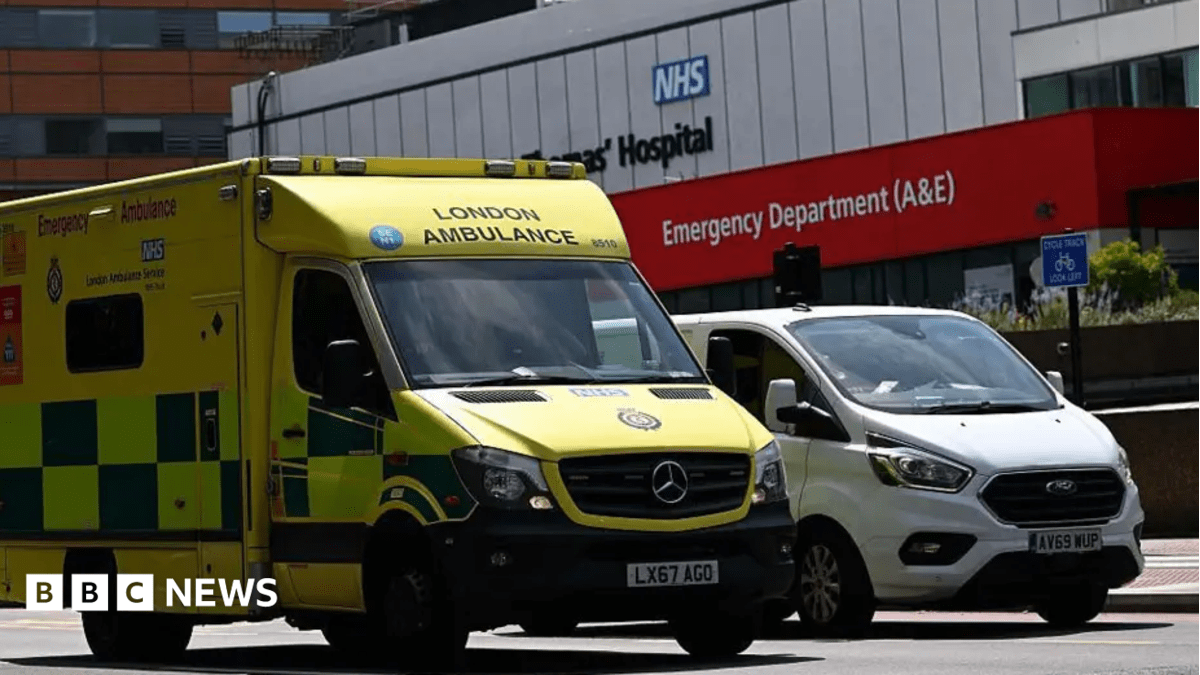
England's A&E departments are facing record-breaking patient volumes due to extreme heatwaves. Unions report critical infrastructure failures and inhumane working conditions as staff struggle to manage the surge.
The Crisis in English Emergency Departments
England's healthcare system is currently facing an unprecedented challenge as Accident and Emergency (A&E) departments report their busiest period in recorded history. With over 2.4 million patient visits logged in each of the months of May, June, and July, the National Health Service (NHS) is operating under strain typically reserved for the peak of winter pressures. This surge is not merely a seasonal fluctuation but a direct consequence of sustained, record-breaking heatwaves that have fundamentally altered the healthcare landscape.
The Health Impacts of Extreme Temperatures
The spike in attendances is directly linked to the physiological toll of extreme heat on the population. Medical professionals are observing a rise in cases of dehydration and heatstroke, conditions that necessitate immediate emergency intervention. Furthermore, the heat acts as a catalyst for severe complications in patients with pre-existing conditions, particularly those suffering from heart, kidney, and respiratory diseases. The inability of the human body to regulate temperature effectively under these conditions has created a secondary wave of demand that the infrastructure was ill-equipped to handle.
Infrastructure and Operational Failure
Beyond the patient influx, the physical environment of hospitals has become a major obstacle to care. The intense heat is placing significant stress on aging hospital infrastructure, leading to systemic failures. Reports indicate that essential medical equipment—including high-stakes scanning technology and critical IT systems—has been breaking down. These technical failures exacerbate the pressure on staff, who are forced to manage emergency care without the full suite of diagnostic tools they rely on to make life-saving decisions.
The Human Cost to Healthcare Staff
Perhaps most alarmingly, the working conditions within these facilities have been described by unions as "inhumane." As temperatures inside wards and emergency bays soar, healthcare workers are facing physical exhaustion and health crises of their own. There have been documented reports of staff suffering from seizures and collapsing while on duty. This creates a dangerous feedback loop where the individuals responsible for patient care are themselves becoming victims of the environment, further thinning the ranks of available personnel during a period of record demand.
Future Trends and Systemic Implications
This crisis highlights a growing vulnerability in public health systems: the lack of climate resilience in hospital architecture and staffing models. As global temperatures continue to rise, the traditional model of 'winter pressure' planning is becoming obsolete. Healthcare systems worldwide will need to invest in heat-resistant infrastructure, improved cooling systems, and more robust staffing contingencies to handle the increasing frequency of extreme weather events. Failure to adapt will likely lead to a permanent state of crisis, where emergency services are chronically overwhelmed by environmental factors rather than just clinical demand.