The key signs you may have damaged your eyes by looking at the eclipse
Source Entity
BBC News
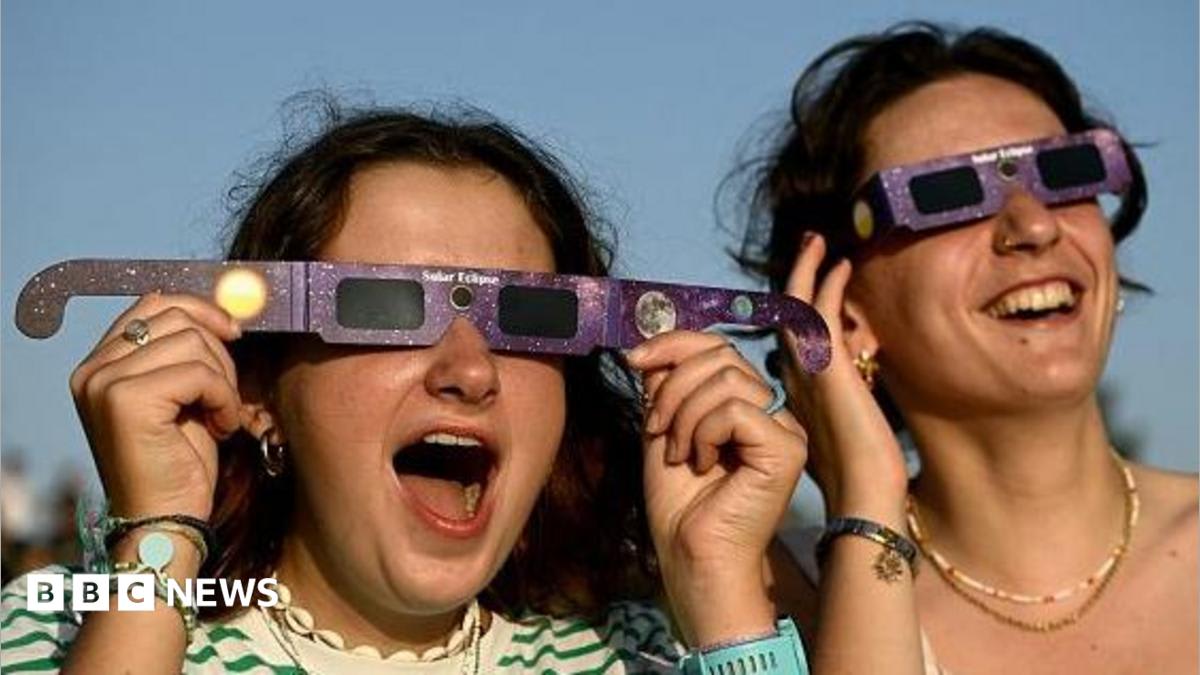
Eye experts are warning of potential retinal damage following Wednesday's solar eclipse. Symptoms like blurred vision and light sensitivity require immediate attention, as even brief exposure without protection can cause long-term harm.
The Hidden Dangers of Solar Viewing
Following the recent solar eclipse, medical professionals have issued urgent warnings regarding the potential for solar retinopathy. This condition occurs when the intense light and radiation from the sun cause photochemical damage to the retina, specifically the macula, which is responsible for high-acuity central vision. Even when the sun is partially obscured by the moon, the remaining visible light is sufficient to cause permanent structural damage to the eye's delicate cells.
Recognizing the Warning Signs
Experts emphasize that individuals who viewed the eclipse without ISO-certified protective eyewear should monitor their vision closely for specific symptoms. These include blurred vision, the emergence of a persistent central blind or dark spot (scotoma), and heightened sensitivity to light (photophobia). These symptoms often do not manifest immediately, meaning individuals may be unaware of the damage until hours or even days after the event has concluded.
Historical Precedents and Misconceptions
The gravity of this public health concern is supported by historical data. Following the 1999 solar eclipse in the United Kingdom, approximately 70 individuals reported lasting visual impairment. A critical takeaway from that event was that many victims had spent less than one minute observing the sun without realization of the ongoing damage. This underscores the insidious nature of solar eye injuries: the retina lacks pain receptors, allowing for significant damage to occur without the victim feeling immediate physical discomfort.
The Physiology of Retinal Damage
Under normal circumstances, the human eye has a natural aversion to bright light, which triggers a blink reflex to prevent us from staring at the sun. However, during an eclipse, the reduced ambient light can weaken this instinctual defense, leading people to stare for extended periods. This bypasses the body's natural protection and focuses the sun's high-energy radiation directly onto the retinal tissue, which can lead to permanent loss of sharp central vision.
Long-Term Implications and Public Safety
While some minor solar injuries may resolve over time, many cases of solar retinopathy result in permanent visual deficits. This poses a significant public health challenge, as modern life requires high-functioning visual acuity for activities such as reading, driving, and recognizing faces. The ongoing medical guidance remains clear: the only safe way to view a solar eclipse is through certified filters or indirect viewing methods, as the risk of irreversible injury outweighs the momentary spectacle of the event.