Nephrologist Dr Girish Vasudeo says ‘200 lives lost while waiting’ explains how organ donation can treat kidney failure
Source Entity
Latest News: Todays Latest News Headlines from India & World | Hindustan Times | Hindustan Times
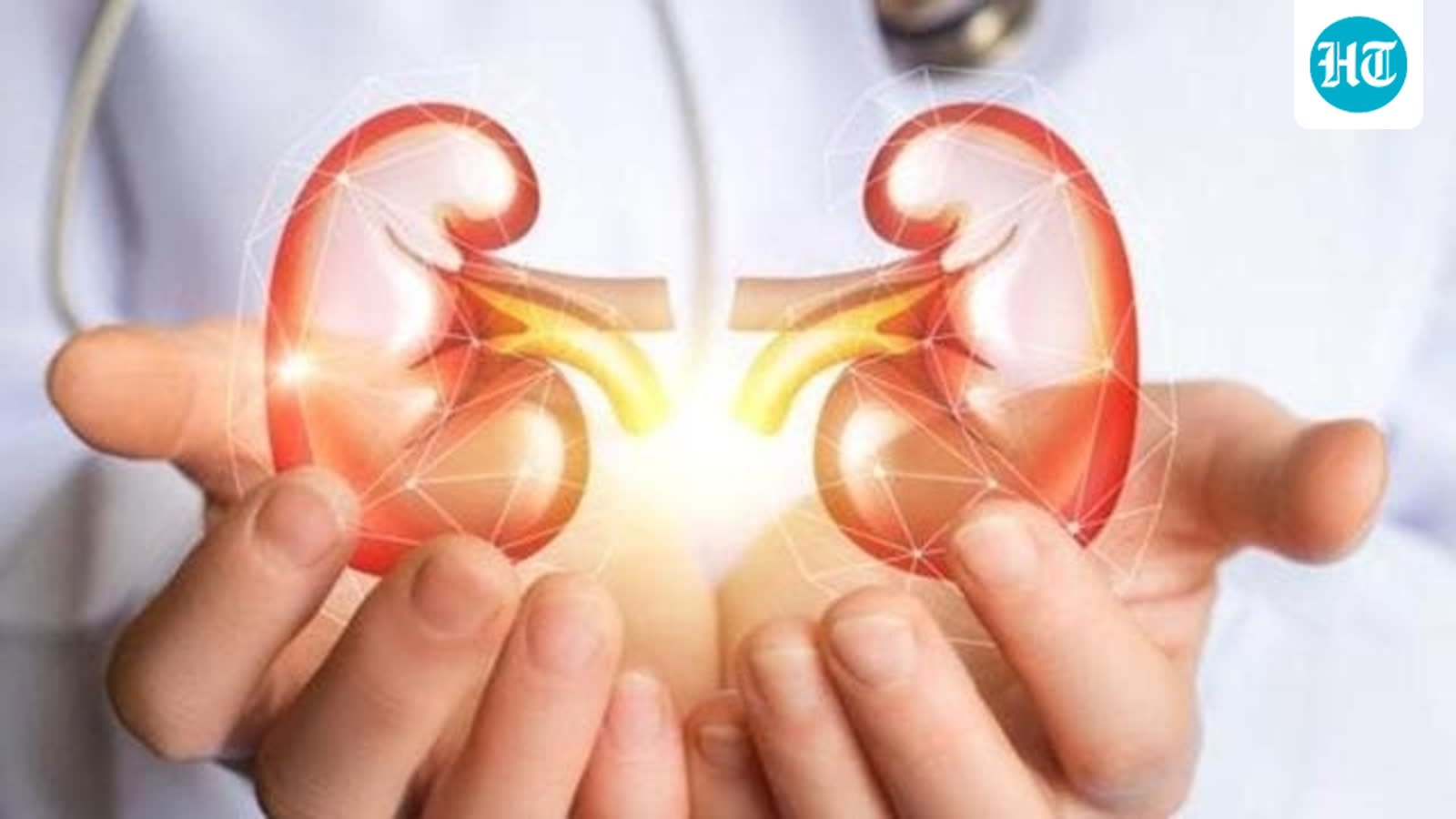
Dr. Girish Vasudeo highlights the critical shortage of donor organs in India, noting that 200 lives are lost while waiting for transplants. The analysis underscores the superiority of kidney transplants over dialysis for long-term health and patient independence.
The Silent Crisis: Addressing India's Organ Donation Gap
In a concerning assessment of India's healthcare landscape, nephrologist Dr. Girish Vasudeo has highlighted a grim reality: approximately 200 lives are lost annually while patients wait for a kidney transplant. This statistic serves as a stark reminder of the widening chasm between the supply of donor organs and the surging demand from patients grappling with end-stage renal disease (ESRD). As medical technology advances, the reliance on dialysis remains a primary, yet temporary, bridge for these patients, but it is not a permanent solution for the systemic failure of the kidneys.
Dialysis vs. Transplantation: A Qualitative Shift
While dialysis is a life-sustaining procedure that filters waste from the blood, it imposes significant constraints on a patient's lifestyle, requiring frequent clinical visits and strict dietary management. Dr. Vasudeo emphasizes that a successful kidney transplant is the gold standard for treatment, offering patients a path toward restored independence. Unlike dialysis, which serves as a recurring maintenance therapy, a transplant addresses the biological deficit, significantly improving long-term health outcomes and overall quality of life.
The Burden of the Waiting List
The core issue identified is the persistent shortage of donor organs. Thousands of patients in India remain on waiting lists, caught in a precarious balance between medical intervention and the clock. This scarcity is not merely a logistical failure but a public health crisis that necessitates a comprehensive approach to organ procurement. When medically appropriate, the transplant is the most effective way to reduce the heavy burden that dialysis places on both the healthcare system and the individual patient’s physical and mental well-being.
Socio-Economic Implications
Beyond the individual health benefits, the shift toward transplantation has profound economic implications. Long-term dialysis is a recurring cost for families and healthcare institutions, whereas a successful transplant, despite the initial surgical and post-operative costs, often allows patients to return to the workforce and lead productive lives. The 200 lives lost while waiting represent not just a medical tragedy, but a loss of human capital and a strain on the families left behind.
Future Trends and Advocacy
To bridge this gap, advocacy for organ donation must be prioritized. Raising awareness about the success rates of transplants and the relative ease of living with a single kidney for donors is essential to changing public perception. As the medical community continues to refine surgical techniques, the focus must shift toward increasing the donor pool to ensure that the choice between dialysis and a transplant becomes a reality for more patients, rather than a privilege reserved for the few who can secure a donor in time.
Conclusion
The insights provided by Dr. Girish Vasudeo underline an urgent need for systemic reform in how India approaches organ donation. By prioritizing transplantation as a superior clinical outcome, the healthcare system can move closer to mitigating the high mortality rates associated with the waiting lists. Encouraging proactive donation and streamlining the procurement process are the only viable paths forward to save the thousands currently waiting for a second chance at life.
Verification Required?