Your prescription drugs shouldn’t cost more than your mortgage. Inside the broken math that got us here.
Source Entity
Paul Markovich
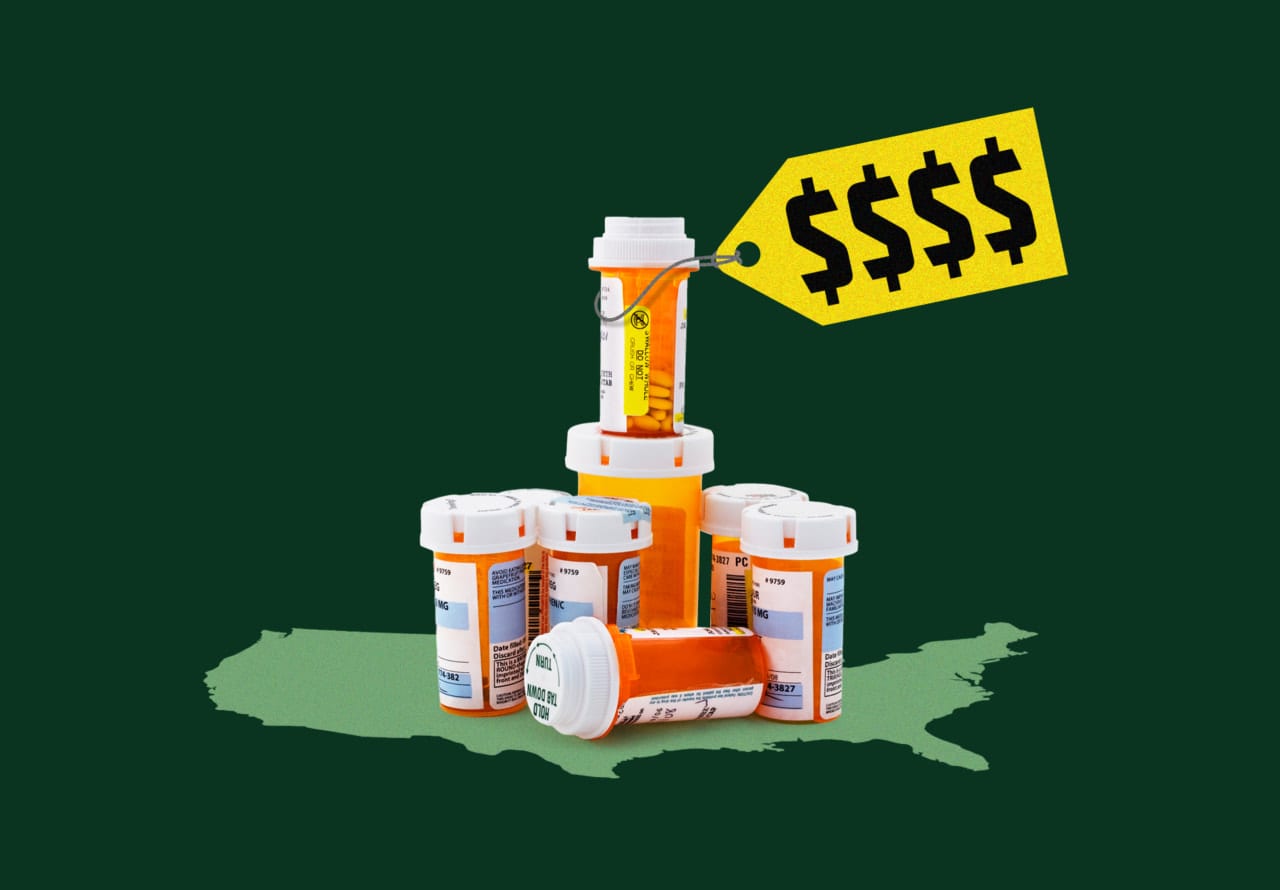
The current pharmaceutical pricing model allows drug manufacturers to dictate costs without external oversight. This systemic issue prevents true affordability and necessitates a shift toward value-based pricing.
The Crisis of Pharmaceutical Affordability
The fundamental premise of modern medicine is that life-saving treatments should be accessible to those who need them. However, a significant disconnect exists between the development of pharmaceutical innovations and their market pricing. When the entity responsible for creating a drug also holds the sole authority to determine its price, the market mechanism fails to prioritize patient welfare, leading to costs that can rival major financial obligations like a mortgage.
The Flaw in Self-Determined Valuation
At the heart of the current crisis is the lack of independent oversight in how drug value is assessed. Currently, pharmaceutical companies utilize proprietary methodologies to establish the 'value' of their products. This often prioritizes profit maximization and shareholder returns over the socioeconomic reality of the patient population. Without a standardized, third-party framework to evaluate the clinical efficacy against the financial burden, the market remains distorted.
The Economic Impact on Patients
When drug prices are uncoupled from affordability, the downstream effects are severe. Patients are frequently forced to choose between essential medication and basic living necessities. This creates a public health paradox where innovation is abundant, yet the ability to utilize that innovation is restricted by arbitrary pricing models. The comparison to mortgage payments highlights the unsustainable nature of this burden on the average household.
Challenges to Regulatory Oversight
Reforming this system requires a transition toward value-based pricing models that incorporate input from clinicians, economists, and patient advocacy groups. However, the influence of pharmaceutical lobbying and the complexity of drug development cycles make this transition difficult. Resistance to external pricing controls is often framed as a threat to future innovation, creating a stalemate that benefits industry incumbents.
Future Trends and Policy Implications
Looking ahead, the pressure to reform drug pricing will likely intensify as healthcare costs continue to consume a larger share of global GDP. Legislative bodies may increasingly explore price-capping mechanisms or international reference pricing to mitigate the power of manufacturers. Achieving a sustainable future requires a paradigm shift where 'value' is defined by health outcomes and equitable access rather than corporate revenue targets.
Conclusion
In summary, the current trajectory of pharmaceutical pricing is fundamentally broken. To ensure medicine remains an accessible public good, the power to define the value of a drug must be democratized and removed from the exclusive control of its manufacturers. Only through transparent, multi-stakeholder evaluation can we hope to align the cost of medicine with the reality of patient affordability.
Verification Required?