Man arrested in Bengaluru for allegedly creating AI-generated video of bomb blast at Vidhana Soudha
Source Entity
Latest News: Todays Latest News Headlines from India & World | Hindustan Times | Hindustan Times
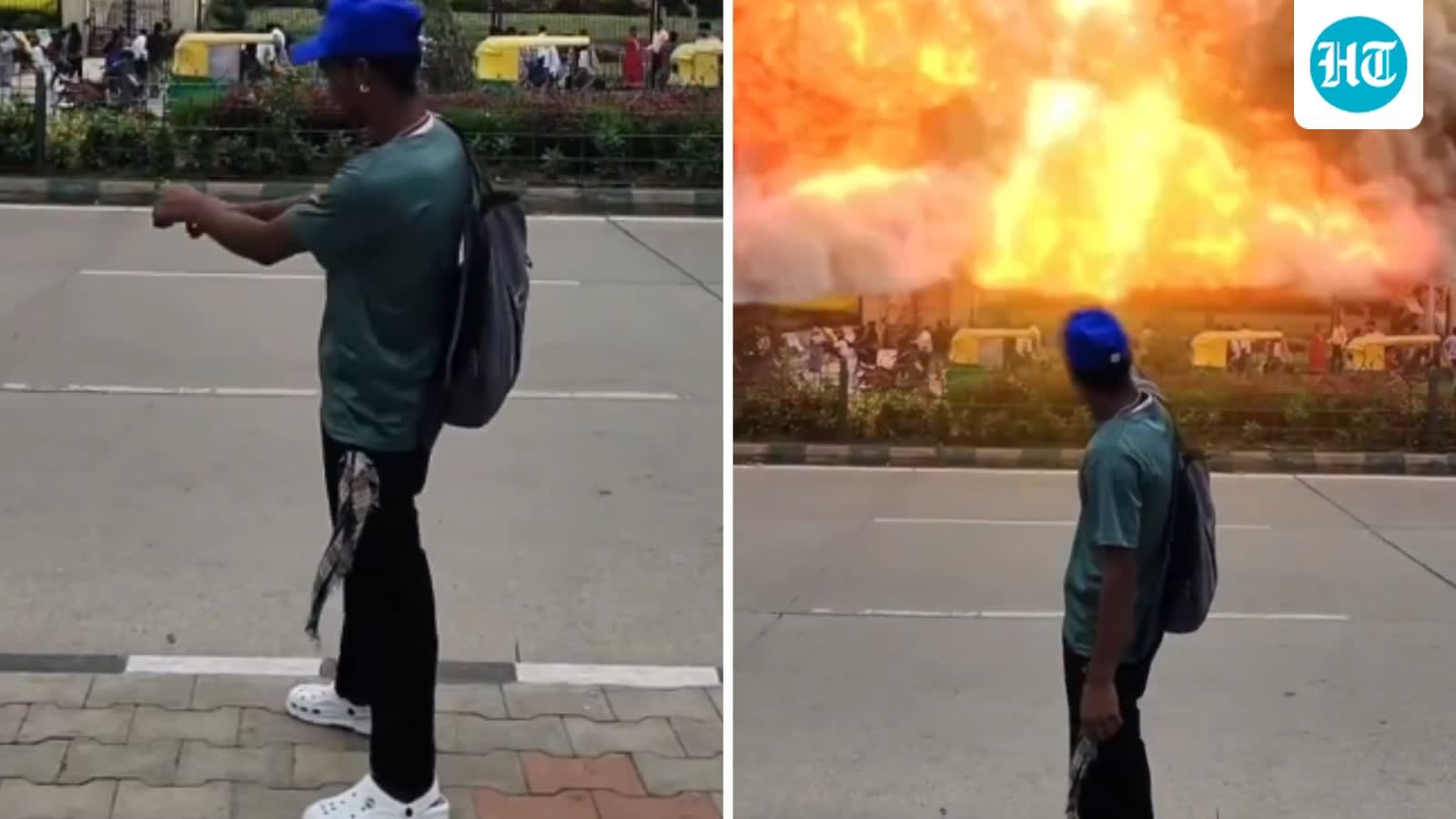
Bengaluru police have arrested a 25-year-old migrant worker from Bihar for creating and posting an AI-generated video depicting a fake bomb blast at the Vidhana Soudha. The incident highlights growing concerns over the misuse of generative AI for public alarm.
The Intersection of AI and Public Security in Bengaluru
The Incident and Immediate Response
In a significant development concerning digital security and public order, Bengaluru City Police have arrested a 25-year-old migrant worker, identified as Hazrat Ali Shoiab, for creating and disseminating an AI-generated video depicting a catastrophic bomb blast at the Vidhana Soudha. The Vidhana Soudha, serving as the seat of the Karnataka state legislature, is a high-security landmark. The video, which surfaced on the Instagram account 'jnx_king_h_g' on October 20, showed a person mimicking a trigger pull followed by a simulated explosion that destroyed the structure. The rapid identification and arrest of the suspect, a pipefitter from the Araria district of Bihar, underscore the efficiency of the city's digital surveillance units in monitoring inflammatory content.
The Mechanics of the Threat
The use of generative AI to create photorealistic depictions of violence against government infrastructure represents a new frontier in cyber-threats. By fabricating a scene where the state legislature is destroyed, the perpetrator sought to incite widespread panic and alarm. The caption accompanying the video, claiming the destruction of the building, transformed a technical experiment into a criminal act of intimidation. This case serves as a stark reminder of how accessible AI tools have lowered the barrier for creating hyper-realistic, yet entirely fabricated, content designed to disrupt social harmony.
Socio-Economic Context and Digital Literacy
Shoiab, who had been working as a daily-wage pipefitter, represents a demographic that is increasingly interacting with advanced digital tools without formal training in content ethics or digital responsibility. The transition of such tools from professional creative studios to the hands of the general public has outpaced the development of public awareness campaigns. This incident highlights the need for a more robust dialogue regarding the ethical use of AI, as well as the potential for migrant populations to be involved in high-profile digital incidents, necessitating a nuanced approach by law enforcement that balances security with social integration.
Broader Implications for National Security
The targeting of the Vidhana Soudha is not merely a prank but a symbolic attack on democratic institutions. In an era where 'deepfakes' and AI-generated misinformation can travel across global networks in seconds, such videos pose a genuine threat to public stability. If left unchecked, these incidents could lead to significant resource diversion for security agencies, as police are forced to verify the authenticity of every viral threat. The Bengaluru police’s decision to pursue the case actively sends a clear message that digital threats to critical infrastructure will be treated with the same gravity as physical ones.
The Future of AI Regulation and Policing
As the investigation into Shoiab’s motives and potential collaborators continues, the incident prompts a critical look at the future of AI regulation. Currently, the responsibility often falls on social media platforms to moderate content, but the speed at which this video went viral suggests that current moderation algorithms may be insufficient. Future trends will likely involve stricter state-level monitoring of AI-generated media and a push for more stringent platform accountability. This case is a precursor to a new reality where state authorities must integrate advanced digital forensics into their standard operational procedures to combat the rising tide of AI-driven synthetic media.
Verification Required?