Rs 25,000 parking fee? Karnataka minister urges CM to rethink Bengaluru plan
Source Entity
The Indian Express
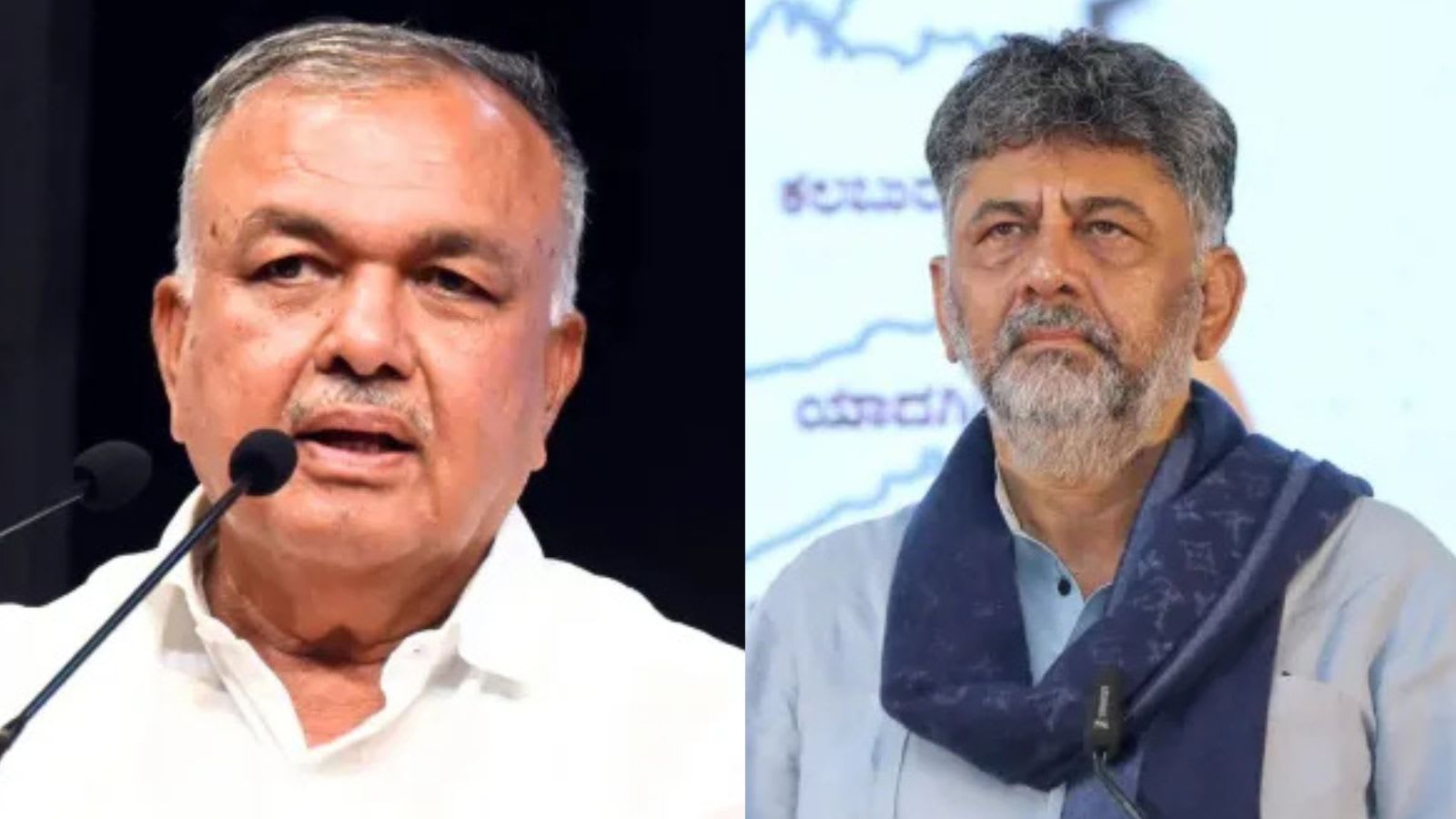
Karnataka Minister Ramalinga Reddy has urged Chief Minister D K Shivakumar to reconsider the proposed annual parking fees of up to Rs 25,000 for residents. The proposal, part of the draft Greater Bengaluru Authority (Parking) Rules 2026, has sparked significant public backlash.
Bengaluru's Controversial Parking Fee Proposal: A Deep Dive
The Impetus for Reform and Public Backlash
The urban landscape of Bengaluru is currently embroiled in a significant policy debate following the notification of the draft Greater Bengaluru Authority (Parking) Rules, 2026. On August 11, the authorities introduced a framework that seeks to regulate on-street parking by imposing an annual fee ranging from Rs 15,000 to Rs 25,000 for residents parking their vehicles on public roads outside their homes. This move, intended to manage the city's burgeoning vehicular density, has triggered a wave of concern among Resident Welfare Associations (RWAs) and individual taxpayers who view the fee as an undue financial burden.
Political Intervention from Within the Cabinet
Adding a layer of political complexity to this issue, Karnataka Forest and Ecology Minister Ramalinga Reddy, who serves as the MLA for BTM Layout, formally intervened. In a letter dated August 24 to Chief Minister D K Shivakumar, Reddy urged the administration to rethink the proposal. As a representative of a major Bengaluru constituency, Reddy's opposition highlights a disconnect between the administrative goals of the Greater Bengaluru Authority and the ground-level socio-political sentiment of the residents who would be directly impacted by these financial levies.
Economic Implications and Social Equity
The scale of the proposed fees—Rs 15,000 for smaller vehicles and Rs 25,000 for SUVs—has been characterized by many as punitive. Critics argue that public roads are already funded by taxpayer money, including road taxes paid at the time of vehicle registration. The imposition of an additional annual permit fee suggests a shift toward a 'user-pay' model for public infrastructure that many residents feel is disproportionate to the services provided, particularly in neighborhoods where private parking space is inherently limited due to historical urban planning constraints.
The Regulatory Context of the 2026 Rules
The draft rules published on August 11 provided a one-month window for public objections, a process that has now become the focal point for civic engagement. By allowing citizens to voice their grievances, the Greater Bengaluru Authority has initiated a formal democratic process to evaluate the viability of the parking policy. However, the intensity of the pushback, amplified by the intervention of a sitting minister, suggests that the policy may require significant amendments or a total restructuring to ensure it does not alienate the urban population it aims to regulate.
Future Trends and Policy Trajectory
This episode serves as a case study for the challenges of managing rapid urbanization in India's major tech hubs. As Bengaluru continues to expand, the tension between infrastructure management and resident affordability will likely remain a recurring theme. The outcome of the discussions between Minister Reddy and Chief Minister Shivakumar will likely set a precedent for how the city handles future traffic management policies. It is probable that the government will be forced to seek a middle ground, perhaps by reducing the fee structure or exempting certain residential zones to placate the public while still attempting to curb the indiscriminate use of public space for long-term parking.