Fire tender used to wash MLA’s car in MP, video goes viral
Source Entity
AMARJEET SINGH
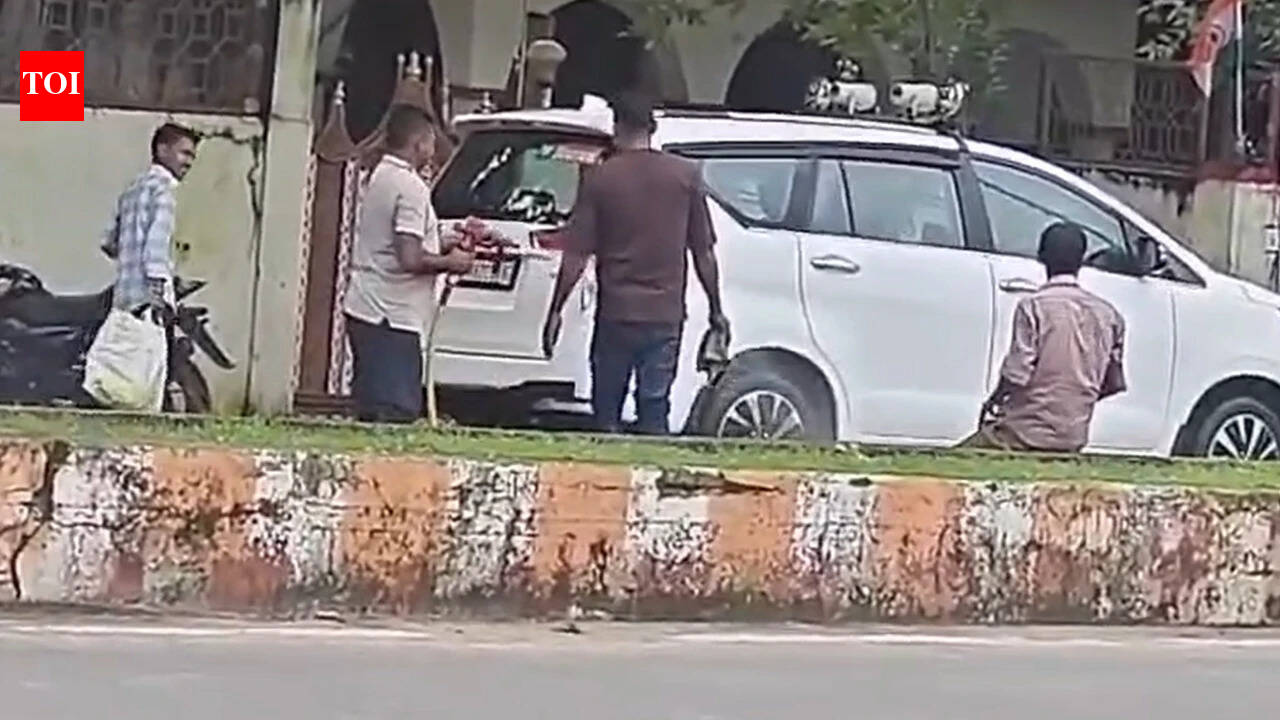
A viral video in Singrauli, Madhya Pradesh, shows municipal workers using a fire tender to wash MLA Ramniwas Shah's private car. The legislator has denied prior knowledge, citing a misunderstanding by his driver during a routine water supply task.
Misuse of Public Resources: The Singrauli Incident
Recent reports from Singrauli, Madhya Pradesh, have highlighted a controversial incident involving the alleged misuse of municipal resources. A viral video circulating online depicts municipal employees utilizing a fire tender—a vehicle designated for emergency response and public safety—to wash the private vehicle of local MLA Ramniwas Shah. This event has ignited a broader conversation regarding the accountability of public officials and the appropriate utilization of government-funded equipment.
Official Response and Clarification
Following the public outcry, MLA Ramniwas Shah addressed the allegations, firmly stating that he had no prior knowledge of the incident. According to his account, the fire tender had been dispatched to the mayor’s residence because the facility’s water pump had become defunct, necessitating the use of the emergency vehicle to fill the residence's water tank. Shah maintains that the proximity of his vehicle to the fire tender was incidental rather than a deliberate diversion of public resources for personal gain.
The Role of Staff and Institutional Oversight
In his defense, Shah pointed to his driver’s unilateral decision-making process. The MLA suggested that his driver, seeking to clean the car after a long trip from Bhopal to prepare for upcoming official meetings, took advantage of the presence of the water source without seeking the legislator’s consent. This detail underscores a recurring theme in public administration: the blurred lines between personal and official duties that often occur when support staff operate without strict oversight or clear ethical protocols.
Broader Implications for Public Trust
Incidents of this nature, while perhaps appearing minor in isolation, carry significant weight in the eyes of the public. The optics of using a fire tender—a tool meant to protect life and property—for the mundane task of car washing can severely damage the perceived integrity of local governance. For politicians, this serves as a stark reminder that the conduct of their staff is inextricably linked to their own political standing and public reputation.
Historical Context of Municipal Accountability
Historically, the misuse of government vehicles and auxiliary equipment has been a frequent point of contention in Indian local politics. Citizens are increasingly leveraging digital tools and social media to hold representatives accountable, transforming local incidents into national talking points. This shift signifies a growing demand for transparency and a decrease in tolerance for the perceived entitlement of public servants regarding the use of state-funded assets.
Concluding Perspectives
While MLA Shah has denied direct involvement, the incident remains a cautionary tale regarding the necessity of stringent supervision over government personnel. As the public continues to demand higher standards of conduct, officials must ensure that all municipal resources are handled with the utmost professional rigor. The incident in Singrauli serves as a reminder that transparency is not just an ideal, but a requirement for maintaining the social contract between the elected and the electorate.