Trump suggests renaming Lake Ontario to Lake America: Can POTUS change its name? What to know amid Gulf of America label
Source Entity
Latest News: Todays Latest News Headlines from India & World | Hindustan Times | Hindustan Times
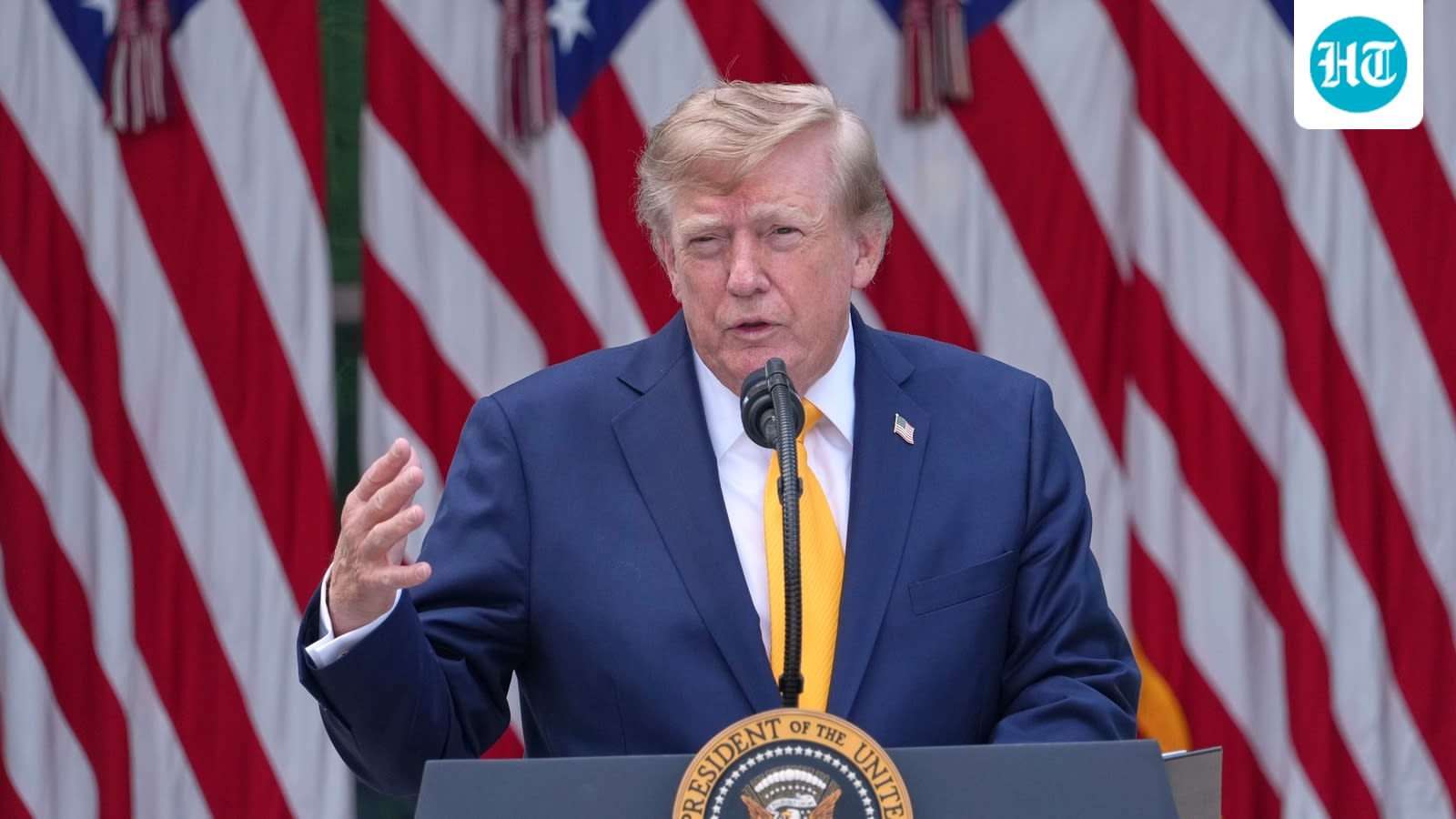
President Donald Trump has signed an executive order renaming Lake Ontario to 'Lake America' within U.S. federal records. The decision follows a collapse in trade negotiations with Canada and mirrors his previous move to rename the Gulf of Mexico.
The Geopolitical Symbolism of 'Lake America'
In a move that underscores the volatility of modern U.S.-Canada relations, President Donald Trump has officially signed an executive order to rename Lake Ontario to 'Lake America' for all U.S. federal geographic records. This symbolic gesture, announced following the breakdown of critical trade negotiations between Washington and Ottawa, marks a significant escalation in the diplomatic cooling between the two North American neighbors. By leveraging administrative tools to alter official nomenclature, the administration is signaling a shift toward a more aggressive, nationalistic posture regarding shared resources.
The Mechanics of Executive Geographic Renaming
While the executive order mandates that federal agencies adopt the 'Lake America' label, the scope of this mandate is strictly domestic. The U.S. government possesses the authority to dictate how its own departments and mapping services categorize domestic topography, yet it lacks any legal jurisdiction to compel Canada—which shares the lake—to adopt the new nomenclature. Consequently, Canadian officials have already signaled their refusal to recognize the change, setting the stage for a period of confusion in international cartography and navigation.
Contextualizing the Trade Conflict
The decision to rename the lake is not an isolated event but a direct consequence of collapsing trade talks. As retaliatory tariffs begin to take hold, the administration’s rhetoric suggests that the renaming is intended to serve as a punitive, psychological signal that the U.S. no longer views the region as a collaborative economic zone. The timing of this announcement, coinciding with the imposition of new tariffs, indicates that the administration is utilizing symbolic nationalist branding as a tool of economic statecraft.
Precedent: The 'Gulf of America'
This is not the first instance of the current administration utilizing executive power to rebrand major bodies of water. The recent shift to designate the Gulf of Mexico as the 'Gulf of America' in official U.S. records established a precedent for using geography as a focal point for foreign policy expression. By applying this same logic to the northern border, the administration is attempting to create a consistent, albeit highly controversial, framework for asserting domestic control over international waters.
Domestic and International Implications
The move has sparked intense debate regarding the utility of such symbolic actions versus the necessity of diplomatic stability. While supporters may view the act as a bold assertion of national identity, critics argue that it undermines the integrity of international geographic standards and complicates cooperative environmental and maritime management. As the standoff continues, the discrepancy between U.S. federal maps and international usage will likely remain a persistent point of friction in the bilateral relationship.
Future Trends in Border Diplomacy
Looking forward, the 'Lake America' designation serves as a barometer for the future of U.S.-Canada relations. Should trade tensions continue to escalate, we may see further efforts to assert unilateral control over shared infrastructure and geographic labels. This strategy represents a departure from traditional multilateral cooperation, favoring instead a policy of 'America First' cartography that prioritizes national messaging over historical and international consensus.
Verification Required?