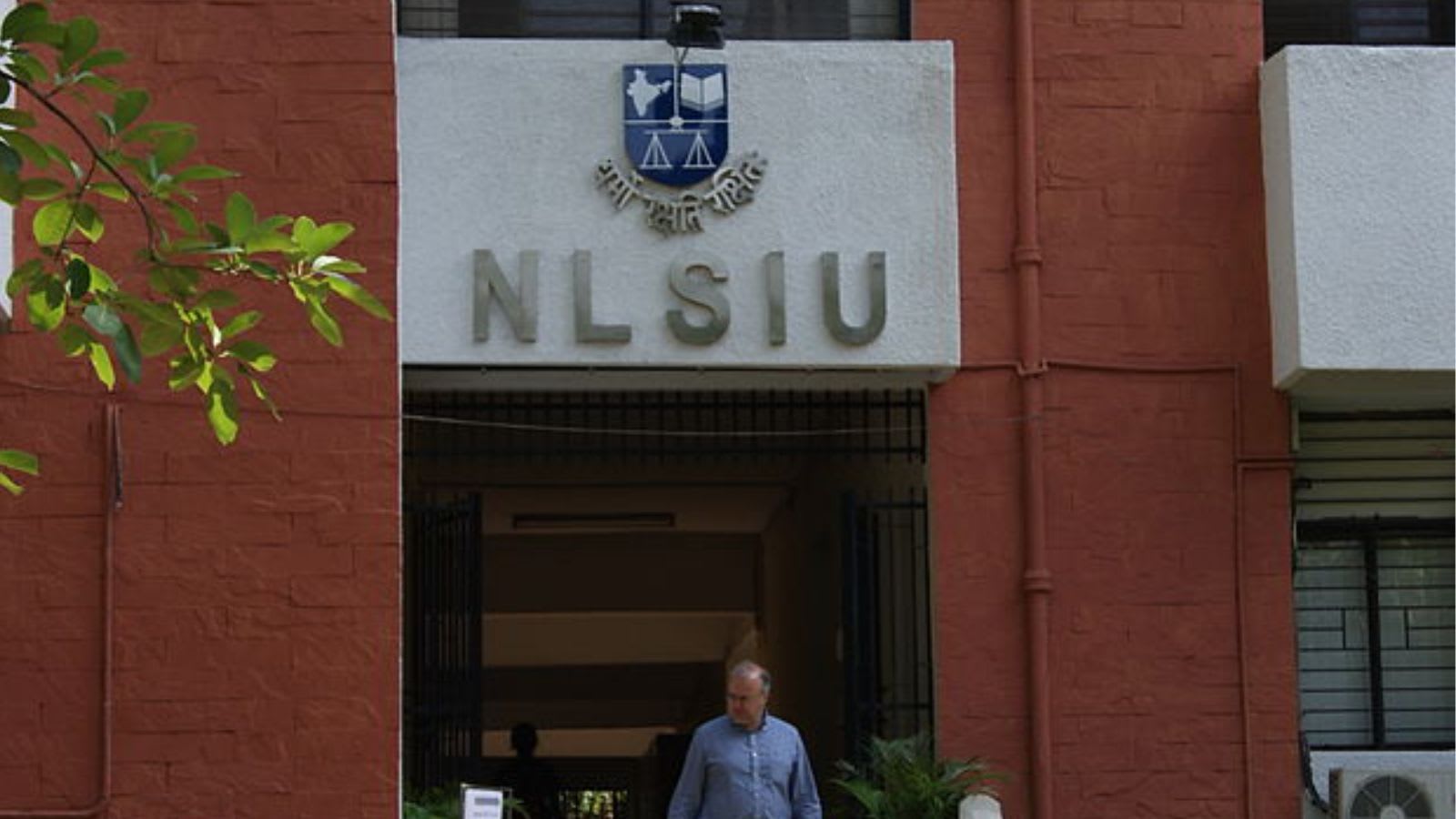
National Law School calls off 2026 convocation amid row over Chief Justice’s presence
Source Entity
The Indian Express
Supreme Court Justice Sandeep Mehta has leveled serious allegations of maladministration and corruption against Rajasthan High Court Acting Chief Justice S.P. Sharma. CJI Surya Kant is currently overseeing the matter, seeking responses from both parties to ensure a fair resolution through established judicial mechanisms.
Internal Conflict Rocks the Rajasthan High Court
In an unprecedented development, Supreme Court judge Justice Sandeep Mehta has formally leveled grave allegations against the Acting Chief Justice (ACJ) of the Rajasthan High Court, Sanjeev Prakash Sharma. Through a series of three letters addressed to the Chief Justice of India (CJI) Surya Kant, Justice Mehta has accused the ACJ of engaging in corruption, nepotism, and favoritism. These allegations, which also cite the misuse of roster powers and administrative malpractice, represent a rare instance of a sitting Supreme Court judge intervening directly into the internal affairs of a High Court.
The Nature of the Allegations
Justice Mehta’s correspondence, dated August 2, 10, and 17, paints a picture of systemic failure within the Rajasthan High Court. He has explicitly requested the immediate transfer of Justice Sharma out of the state and has urged the Supreme Court Collegium to appoint a permanent Chief Justice from another jurisdiction. The language used by Justice Mehta is stark, characterizing the ongoing situation as a form of "carnage" that threatens the institutional integrity of the judiciary, demanding urgent intervention to prevent further degradation.
The Response of the Chief Justice of India
Chief Justice of India Surya Kant has adopted a measured, procedural approach in response to these extraordinary claims. Recognizing the sensitivity of the situation, the CJI has sought responses from "both sides," ensuring that the principles of natural justice are upheld. By requesting the ACJ’s input, the CJI is adhering to the internal protocols of the judiciary, emphasizing that such serious disputes must be resolved through established mechanisms rather than through media speculation or public discourse.
Institutional Integrity and the Collegium
This incident highlights the complexities faced by the Supreme Court Collegium, which is currently tasked with the broader responsibility of appointing permanent Chief Justices across various High Courts. The CJI has explicitly cautioned against allowing individual complaints to be settled through competing claims in the media, reinforcing the sanctity of the deliberative process. The focus remains on maintaining the reputation of the High Court while the Collegium weighs the implications of these allegations against the administrative stability of the Rajasthan judiciary.
Broader Implications for Judicial Accountability
The controversy serves as a litmus test for internal judicial accountability. While the judiciary often handles administrative matters behind closed doors to protect the institution's image, the public nature of these allegations forces a confrontation between the need for transparency and the preservation of judicial independence. As Justice Sharma approaches his retirement date of September 26, the pressure on the Collegium to reach a definitive conclusion is mounting.
Future Trends and Conclusion
Looking forward, this event may prompt a review of the mechanisms by which administrative grievances are handled within the Indian judicial system. The outcome of the CJI’s inquiry will set a significant precedent for how the Supreme Court manages friction between higher judiciary members. Ultimately, the resolution of this matter will be critical in restoring public confidence in the administrative operations of the Rajasthan High Court and ensuring that institutional integrity is maintained above individual interests.
Multiple Citing Sources