Final trainset for Yellow Line arrives in Bengaluru; sets to boost service frequency
Source Entity
India Latest News: Top National Headlines Today & Breaking News | The Hindu
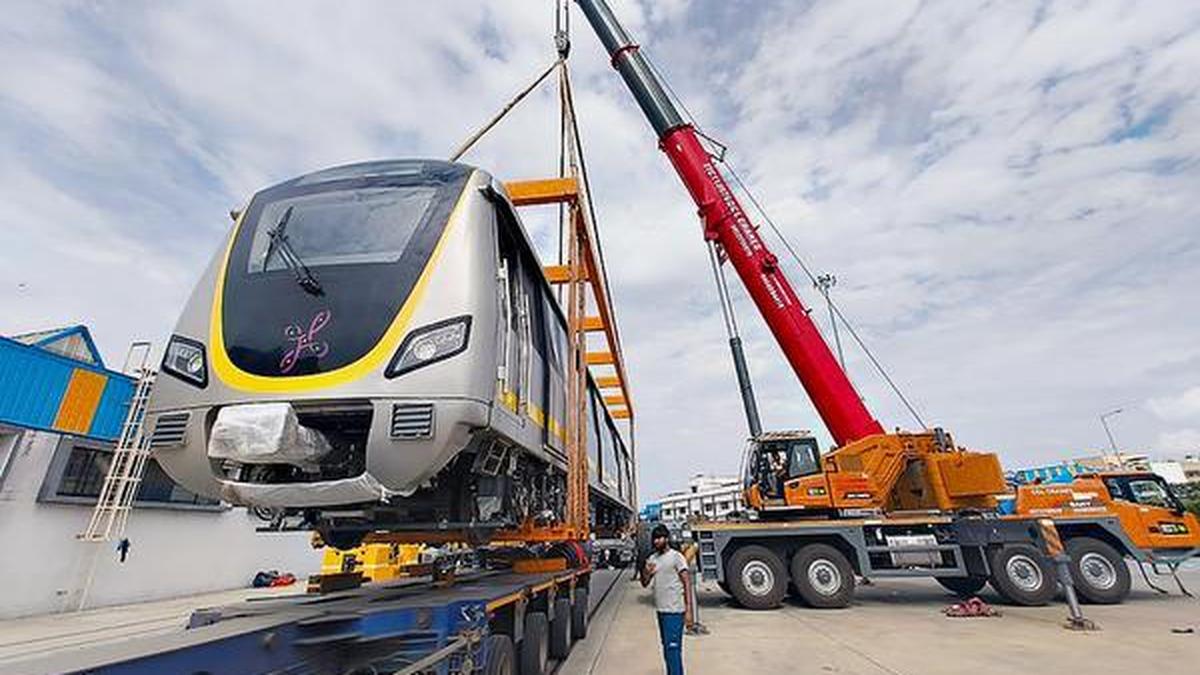
The arrival of the final Yellow Line trainset in Bengaluru promises improved service frequency, but operations were overshadowed by a tragic fatality at Huskur Road Station. The incident caused a two-hour service disruption as authorities initiate necessary safety and testing protocols.
Infrastructure Milestone Meets Tragedy on Bengaluru's Yellow Line
Bengaluru’s public transportation landscape reached a significant operational milestone this week with the arrival of the final trainset for the Yellow Line. Manufactured by Titagarh Rail Systems Ltd. (TRSL), this six-coach unit reached the Hebbagodi depot, marking the completion of the fleet procurement process. For a city grappling with extreme traffic congestion, the introduction of these trainsets is vital for increasing service frequency and alleviating the strain on the existing metro network.
The Technical Path to Operational Readiness
The arrival of the trainset is merely the beginning of a rigorous technical journey. BMRCL officials have confirmed that the train, currently located at the Hebbagodi depot, must undergo extensive assembly of couplers and gangways. Following this, the unit will face static inspections followed by a mandatory 750-kilometer dynamic testing phase on the main line. These safety protocols are non-negotiable, ensuring that the rolling stock meets the stringent performance standards required for passenger service in a high-density urban environment.
A Somber Interruption at Huskur Road
Contrasting the technical progress, the Yellow Line experienced a harrowing event on Monday evening. At approximately 5:50 p.m., a passenger identified as Rajesh Hiremath, a 30-to-35-year-old native of Raichur, died after jumping onto the tracks at Huskur Road Metro Station. Despite the train operator’s immediate deployment of emergency braking systems upon spotting the individual, the collision could not be avoided, resulting in a tragic loss of life.
Operational Impact and Service Resumption
The incident necessitated an immediate halt to metro operations on the corridor, leading to a two-hour disruption of services starting at approximately 6:00 p.m. Such events underscore the inherent challenges metro systems face regarding platform safety and passenger security. While BMRCL continues to expand its infrastructure, the human element remains a critical vulnerability, prompting discussions on the necessity of platform screen doors and enhanced surveillance measures to prevent future tragedies.
Broader Implications for Bengaluru Metro
This sequence of events highlights the delicate balance between rapid urban expansion and the maintenance of a safe, reliable transit system. The procurement of the TRSL trainsets is designed to improve the commute for thousands of daily riders, yet the system's success is defined as much by its safety culture as its speed. As BMRCL integrates these new units, the focus must remain on ensuring that the expansion of capacity is matched by robust safety protocols that protect both passengers and staff.
Future Outlook for the Yellow Line
Looking ahead, the successful induction of these new trains into commercial service remains the primary objective for BMRCL. Once the dynamic testing phase is cleared, the increased fleet size will allow for shorter headways between trains, significantly improving the commuter experience. However, the tragedy at Huskur Road serves as a somber reminder of the complexities involved in managing a modern, high-speed rail network in a growing metropolis like Bengaluru.
Multiple Citing Sources
Verification Required?