The best states for workers to get educated, trained and find a job in America in 2026
Source Entity
US Top News and Analysis
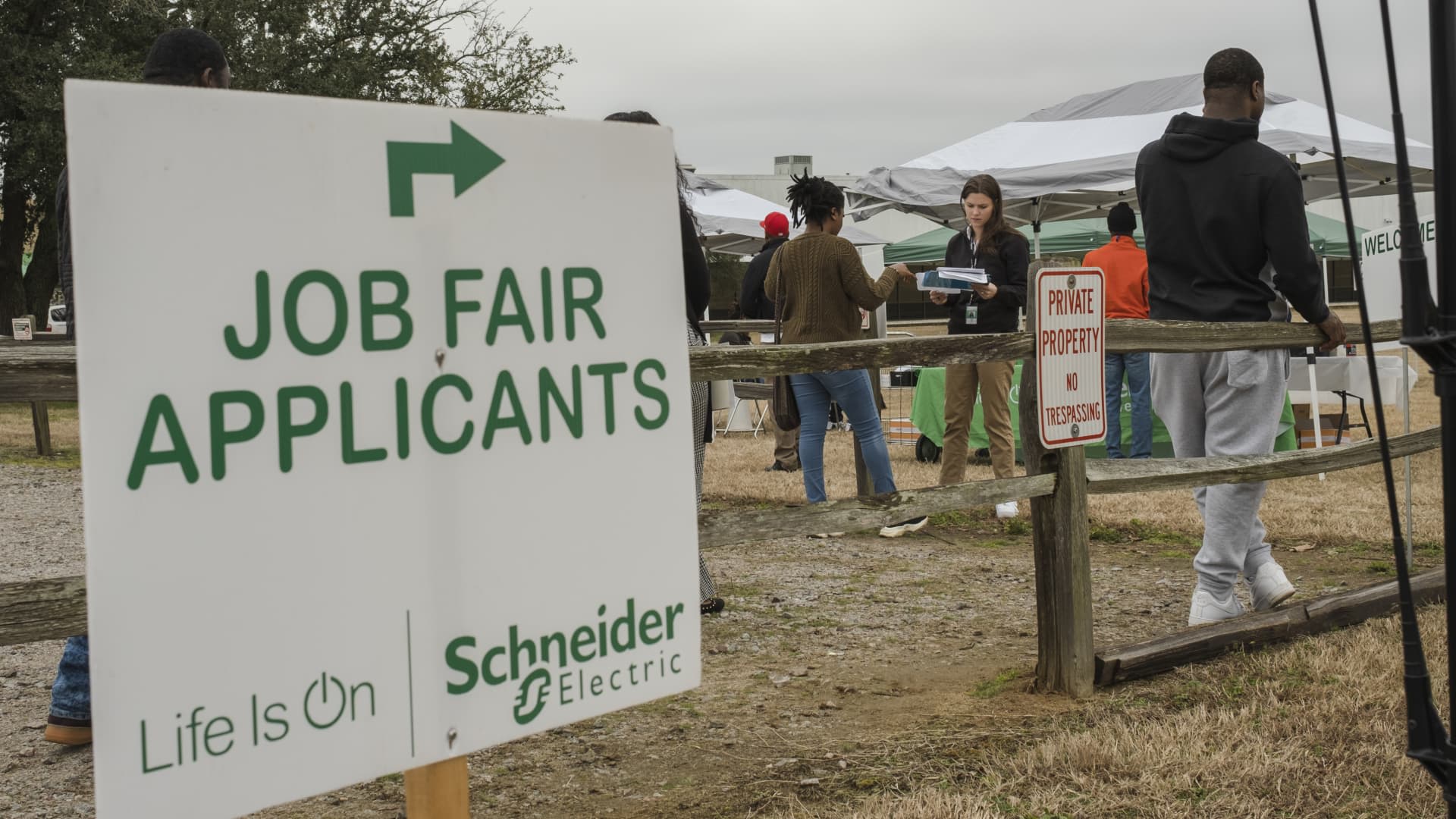
A new analysis identifies 11 U.S. states as the premier destinations for workers in 2026, highlighting their excellence in workforce education, migration trends, and robust professional development programs.
Analysis of U.S. Workforce Trends and State-Level Educational Excellence for 2026
The identification of 11 U.S. states as leaders in education, training, and job placement for 2026 signals a critical shift in the American economic landscape. As the global economy pivots toward automation and specialized digital services, the ability of a state to integrate educational infrastructure with immediate labor market needs has become a primary driver of regional competitiveness. This report underscores a growing trend where economic success is no longer just about corporate presence, but about the 'talent pipeline'—the seamless transition from classroom to career.
The Synergy of Education and Employment
One of the core pillars of this analysis is the education level of the workforce. Historically, the U.S. has struggled with a 'skills gap,' where graduates possess degrees that do not align with the technical requirements of modern employers. The states excelling in this metric are likely those that have implemented dual-track systems, combining traditional academic degrees with vocational training and certifications. By focusing on workforce development programs, these states are creating a more agile labor force capable of adapting to the rapid technological disruptions expected by 2026, particularly in sectors like green energy, advanced manufacturing, and AI integration.
Migration Patterns as Economic Indicators
Migration patterns serve as a real-time referendum on a state's economic health. The movement of workers toward these 11 states suggests a 'flight to opportunity,' where professionals are prioritizing regions that offer not only jobs but the means to upgrade their skills. This trend often reflects a broader demographic shift, such as the movement from high-cost coastal hubs to states that provide a better balance of cost-of-living and career growth. When workers migrate to states with strong development programs, it creates a positive feedback loop: a more skilled workforce attracts more high-value companies, which in turn creates more demand for specialized training.
The Role of Workforce Development Programs
Workforce development programs are the connective tissue between education and employment. The states highlighted in this report likely utilize public-private partnerships, where state governments collaborate with local industries to design curricula. This ensures that training is not theoretical but applied. For 2026, the emphasis is likely shifting toward 'upskilling' and 'reskilling'—providing current workers with the tools to transition into new roles as old ones become obsolete. This proactive approach minimizes unemployment spikes during industrial transitions and ensures a steady supply of qualified labor for emerging industries.
Long-term Economic Implications and Future Trends
Looking ahead, the divergence between these 11 leading states and those lagging behind could lead to increased regional economic disparity. States that fail to invest in their human capital risk becoming 'talent exporters,' losing their best workers to the states mentioned in this report. We can predict that by 2026, the most successful states will be those that treat education as a lifelong utility rather than a one-time event. The integration of lifelong learning modules into state policy will likely become the gold standard for maintaining a competitive edge in the national market.
Conclusion
In summary, the excellence of these 11 states is not accidental but the result of a strategic alignment between educational output and economic demand. By optimizing migration patterns through the creation of high-opportunity environments and investing heavily in workforce development, these states are positioning themselves as the engines of American economic growth for 2026 and beyond. The focus on a trained, educated, and mobile workforce is the most sustainable path to long-term prosperity in an increasingly volatile global economy.