Here's why the housing market is hurting so much this summer
Source Entity
US Top News and Analysis
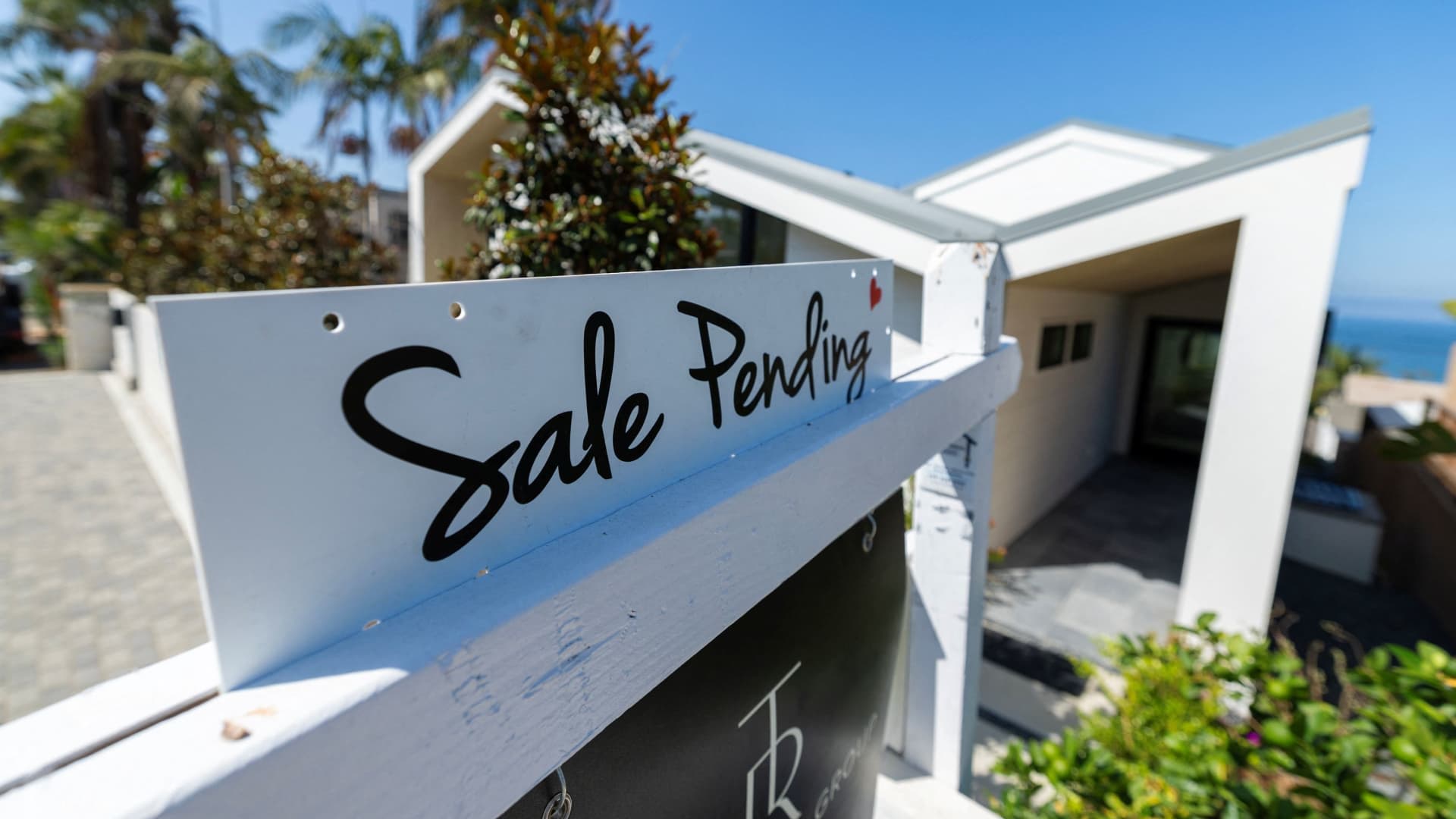
The summer housing market is facing significant headwinds as a combination of record-high home prices and elevated mortgage rates drives down existing home sales and dampens builder sentiment.
The Summer Housing Slump: A Perfect Storm of Affordability and Inertia
The current summer housing market is experiencing a period of profound distress, characterized by a paradoxical environment where demand remains latent but transaction volumes have plummeted. The intersection of record-high property valuations and elevated borrowing costs has created a significant barrier to entry for new buyers while simultaneously paralyzing current homeowners. This stagnation is not merely a seasonal fluctuation but a systemic reaction to the aggressive monetary tightening cycles implemented to combat inflation.
The "Lock-In Effect" and Mortgage Rate Pressure
One of the primary drivers of the current market pain is the phenomenon known as the "lock-in effect." Many existing homeowners secured mortgage rates between 2% and 4% during the pandemic-era lows. With current rates significantly higher, these homeowners are financially disincentivized from selling their current properties, as moving would require them to finance a new home at a much higher cost. This has led to a severe contraction in the inventory of existing homes, further tightening the market and keeping prices artificially inflated despite lower overall demand.
Record Prices vs. Consumer Purchasing Power
While inventory is low, home prices have remained at or near record levels, creating a severe affordability crisis. For first-time homebuyers, the combination of high principal costs and high interest payments has pushed the monthly cost of homeownership beyond the reach of the average household. This financial stress is compounded by broader economic pressures, including persistent inflation in non-housing sectors, which reduces the amount of disposable income available for down payments and closing costs.
The Decline in Existing Home Sales
As a direct result of the inventory shortage and affordability gap, existing home sales have seen a marked decline. The traditional summer "peak"—where families typically move to align with school districts—has been muted. This drop in transaction volume has a ripple effect across the broader economy, impacting ancillary industries such as mortgage brokerage, home inspections, and the moving and storage sector, all of which rely on a high velocity of real estate turnover.
Eroding Builder Sentiment and New Construction Risks
Home builders, who often step in to fill the void left by the existing home market, are now showing signs of waning sentiment. While new construction was initially a sanctuary for buyers seeking incentives (such as mortgage rate buy-downs), builders are now facing their own set of challenges. Rising costs of materials, labor shortages, and the uncertainty of consumer demand are making developers hesitant to break ground on new projects. If builder sentiment continues to slide, the long-term housing shortage will only intensify, ensuring that prices remain high even if rates eventually stabilize.
Future Outlook and Economic Implications
Looking forward, the housing market is likely to remain in this state of equilibrium-less tension until there is a meaningful shift in interest rate trajectories. A potential pivot by central banks toward rate cuts could unlock the "lock-in" effect, encouraging more homeowners to list their properties. However, until that occurs, the market will likely see a continued shift toward rental demand, further stressing the rental market and increasing the cost of living for those unable to purchase.
Summary
In conclusion, the summer housing market is suffering from a systemic failure of affordability. The synergy of high mortgage rates and record prices has stalled the movement of existing homes and cooled the enthusiasm of builders, leaving consumers in a state of financial stress and uncertainty.