Uber’s $14.8B Delivery Hero deal would nearly double its global footprint
Source Entity
Kirsten Korosec
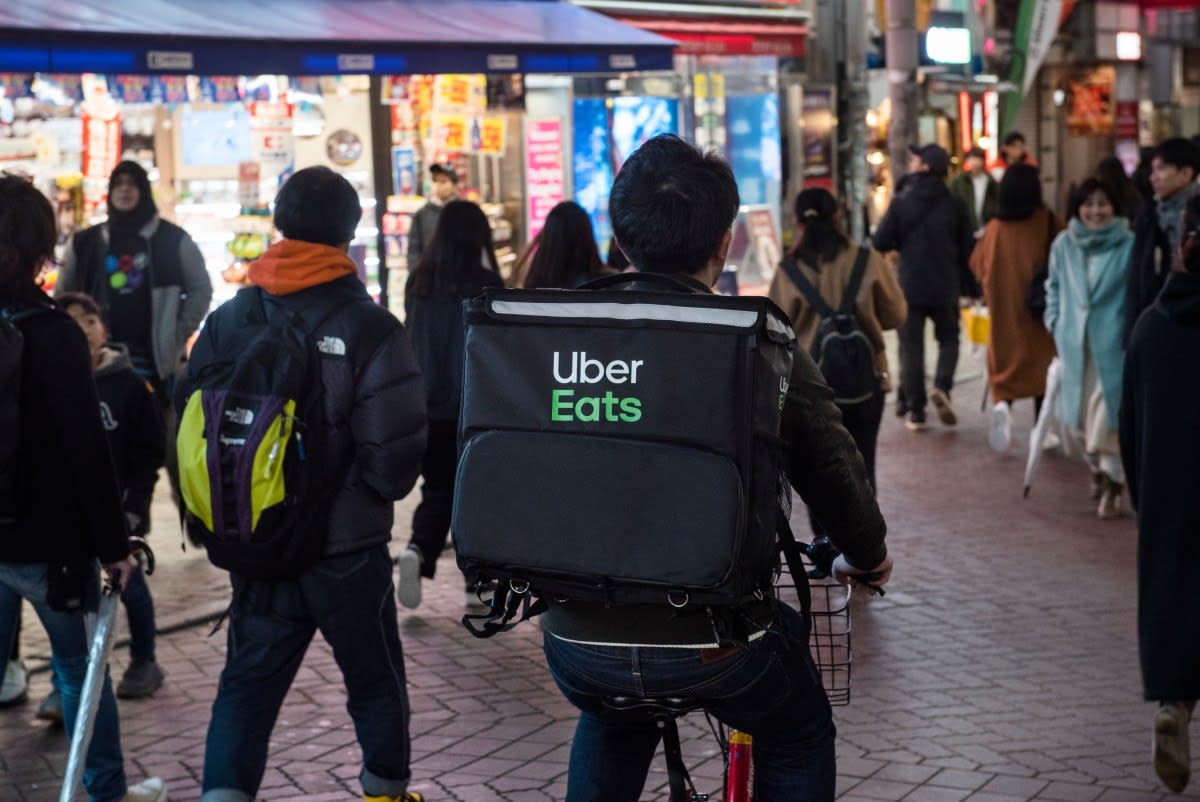
Uber has entered into a $14.8 billion all-stock agreement to acquire Delivery Hero, a move designed to nearly double Uber's global footprint and establish one of the largest food-delivery networks in the world outside of China.
Uber's Strategic Leap: Analyzing the $14.8 Billion Delivery Hero Acquisition
In a move that signals a massive shift in the global logistics and quick-commerce landscape, Uber has agreed to acquire Delivery Hero in an all-stock transaction valued at $14.8 billion. This acquisition is not merely a expansion of market share but a calculated strategic pivot to solidify Uber's dominance in the food-delivery sector. By integrating Delivery Hero's extensive operational network, Uber is positioning itself to transition from a ride-sharing giant into a comprehensive global logistics powerhouse, leveraging a "super-app" philosophy to capture a wider array of consumer spending habits.
Expanding the Global Footprint
The primary driver behind this deal is the dramatic expansion of Uber's geographic reach. While Uber Eats has established a strong presence in North America and parts of Europe, Delivery Hero possesses deep penetration in markets where Uber has historically struggled or remained absent, particularly across the Middle East, North Africa, and parts of Asia. By nearly doubling its global footprint, Uber can now offer a seamless, cross-border experience for users and merchants. This scale allows Uber to optimize its routing algorithms and driver networks on a global level, potentially reducing delivery times and increasing the efficiency of its logistics engine.
The Financial Logic of an All-Stock Deal
The decision to structure this $14.8 billion acquisition as an all-stock deal is a critical financial detail. By avoiding a cash-heavy payout, Uber preserves its liquidity and avoids taking on massive debt in a volatile interest-rate environment. For Delivery Hero shareholders, this structure provides a direct stake in Uber's diversified business model, which includes ride-sharing, freight, and delivery. This alignment of interests ensures that both entities are incentivized to maximize the long-term synergy of the merger rather than focusing on short-term cash exits, effectively merging two of the most aggressive growth trajectories in the gig economy.
Navigating the 'Outside China' Landscape
The specific mention of creating a powerhouse "outside China" highlights the unique geopolitical and economic barriers of the Chinese market. China's delivery sector is dominated by indigenous giants like Meituan and Ele.me, which operate within a highly regulated and culturally distinct ecosystem. By consolidating its power in every other major global market, Uber is essentially building a "Global Standard" for delivery. This allows the company to create a unified technological stack and brand identity that can compete with any regional player in Europe, Asia, or the Americas, effectively creating a global monopoly of convenience outside the Chinese firewall.
Synergies and the Super-App Evolution
Beyond food delivery, this acquisition accelerates Uber's evolution toward a "Super-App." The integration of Delivery Hero's expertise in quick-commerce (q-commerce)—the delivery of groceries and household essentials in under 30 minutes—complements Uber's existing ride-hailing infrastructure. The synergy lies in the utilization of the same driver pool for multiple services: a driver could transport a passenger during morning rush hour and deliver groceries during the mid-day lull. This maximizes driver earnings and platform efficiency, creating a flywheel effect that makes the service more attractive to both laborers and consumers.
Potential Headwinds and Regulatory Scrutiny
Despite the strategic advantages, a merger of this magnitude will inevitably attract intense regulatory scrutiny. Antitrust authorities in the European Union and the United States are likely to investigate whether this deal stifles competition in the food-delivery space. Furthermore, the operational challenge of integrating two massive, culturally different corporate entities cannot be understated. Uber will need to harmonize Delivery Hero's various regional brands and operational protocols into the Uber ecosystem without alienating local merchant bases or disrupting the user experience.
Conclusion: The Future of On-Demand Logistics
Ultimately, Uber's acquisition of Delivery Hero is a bold bet on the permanence of the on-demand economy. By scaling its footprint and diversifying its delivery capabilities, Uber is moving toward a future where it controls the movement of both people and goods across the globe. If successful, this deal will not only redefine Uber's corporate identity but will also set a new benchmark for consolidation in the tech industry, forcing remaining competitors like DoorDash and Just Eat Takeaway to either scale up or find niche specializations to survive.