‘Earnings have dropped from Rs 35,000 to Rs 18,000’: Bharat Taxi drivers describe a tough start
Source Entity
Devansh Mittal
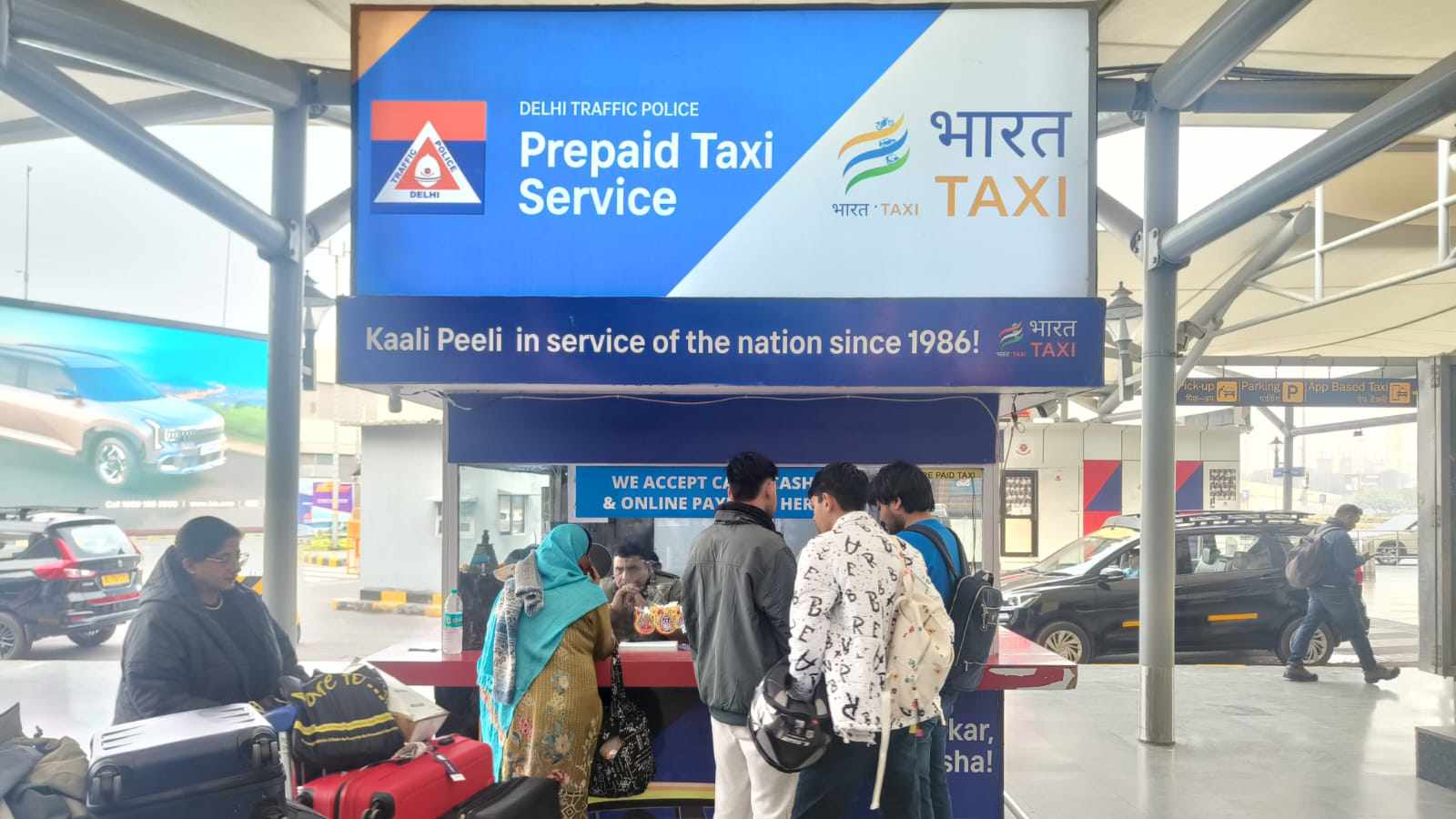
Delhi-based taxi driver Chaman Lal reports a significant decline in earnings after switching from established platforms to the new government-backed Bharat Taxi app. The transition, spurred by promises of co-ownership and better rates, has left drivers struggling with severely reduced booking volumes.
The Promises and Pitfalls of Bharat Taxi: A Driver's Struggle
The Shift from Established Platforms
The gig economy in India has long been dominated by multinational giants like Uber and Rapido, which provide a consistent, albeit heavily scrutinized, stream of income for thousands of drivers. Chaman Lal, a 40-year-old driver from Azadpur, Delhi, was representative of this cohort, earning between Rs 35,000 and Rs 45,000 monthly. This income, while subject to the volatility of surge pricing and platform commissions, provided a baseline for survival in a high-cost metropolitan environment.
The Allure of 'Government-Backed' Innovation
The narrative took a turn in January when Lal was approached at a CNG station in Laxmi Nagar. The pitch from four men regarding 'Bharat Taxi' was compelling: it was positioned as a government-backed initiative where drivers would function as co-owners. In an industry where drivers often feel exploited by opaque algorithms and high commission rates, the promise of equity and 'better rates' served as a powerful incentive for drivers to diversify their reliance away from private aggregators.
The Reality of Diminishing Returns
Unfortunately, the transition has resulted in a stark economic downturn for those who made the switch. Lal’s earnings have plummeted from his former average to a mere Rs 18,000 per month. This drastic reduction is not merely a statistical anomaly but a symptom of a platform failing to achieve the necessary network effects required to sustain a driver's livelihood. With current data showing that drivers may receive as few as one booking over a 10-hour shift, the platform is failing to provide the density of demand required for a sustainable business model.
Broader Economic Implications
This case highlights the precarious nature of the gig economy and the risks associated with market disruption. When new platforms enter a saturated market, they face the 'chicken and egg' problem: they need drivers to attract riders, and riders to attract drivers. Bharat Taxi appears to have secured the supply side through the allure of co-ownership, but it has failed to generate sufficient demand, leaving drivers to bear the brunt of the platform’s inability to scale.
Future Trends and Sustainability
As the Indian government pushes for digital public infrastructure and app-based solutions, the failure to match the operational efficiency of private competitors will likely lead to driver disillusionment. For a platform to succeed, it must balance the ideological appeal of 'government-backed' ownership with the practical, data-driven necessity of consistent ride volume. Without a significant pivot to address the current booking deficiency, drivers like Chaman Lal face a difficult choice: return to the established private giants or face continued financial instability.