Shawarma scare in Bhiwandi: 43 fall ill after eating street food; civic body razes stall
Source Entity
The Indian Express
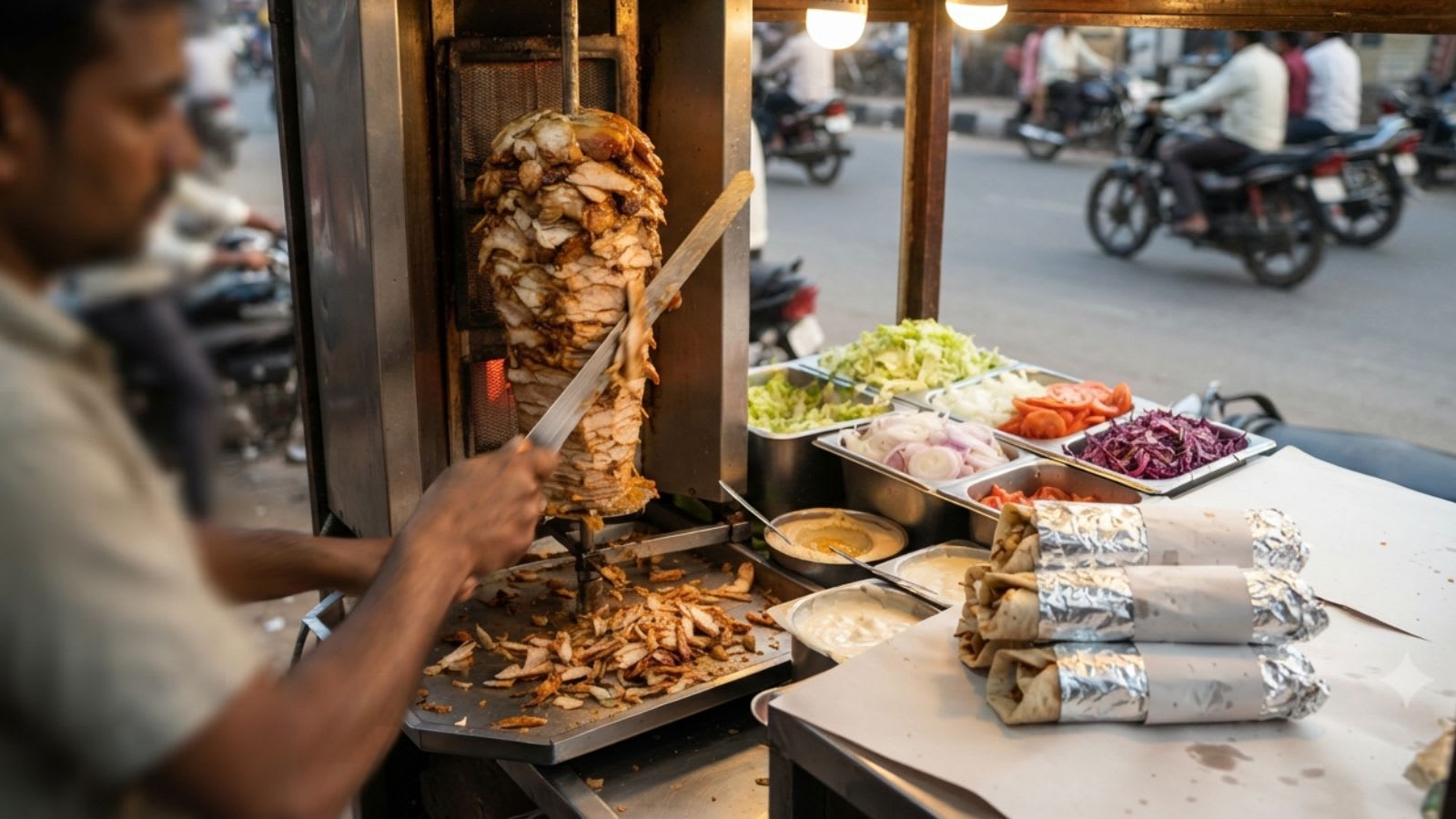
A suspected food poisoning outbreak in Bhiwandi, Maharashtra, has led to the hospitalization of 53 people, including children and a pregnant woman, after consuming chicken shawarma. Authorities have demolished the unauthorized stall and launched an investigation as the owner remains at large.
Food Safety Crisis in Bhiwandi: An Analysis of the Shawarma Poisoning Incident
A significant public health concern has emerged in Bhiwandi, Thane district, where at least 53 individuals have been hospitalized following the consumption of chicken shawarma from a roadside eatery near Vanzarpatti Naka. This incident, which includes 17 men, 25 women, and 17 children, highlights the persistent risks associated with unregulated street food vendors and the critical need for stricter enforcement of food safety protocols in urban centers.
The Scope of the Outbreak and Clinical Presentation
According to reports, the victims began exhibiting symptoms including severe vomiting, diarrhea, abdominal pain, and fever shortly after consuming the food on Monday night. The demographic of those affected is particularly concerning, with a significant number of children and a pregnant woman requiring urgent medical intervention at the state-run Indira Gandhi Memorial (IGM) Sub-District Hospital. While medical officials, including Dr. Sandeep Gadekar, have indicated that the patients are currently in stable condition, the sheer volume of cases underscores the potential for mass foodborne illness outbreaks linked to single points of contamination.
Regulatory Response and Accountability
The Bhiwandi-Nizampur Municipal Corporation acted swiftly following the reports, opting to demolish the unauthorized stall responsible for the incident. This action serves as both a punitive measure and a preventative step to ensure the site cannot continue to pose a risk to the public. However, the legal situation remains complex as the owner of the eatery has reportedly fled and is currently considered absconding. Local authorities have registered a case, and official investigations are underway to identify the specific pathogen or contaminant responsible for the mass illness.
Broader Implications for Street Food Safety
This incident brings the broader issue of street food hygiene in India into sharp focus. Roadside stalls, while a staple of the local economy and urban food culture, often operate without proper sanitary infrastructure, refrigeration, or licensing. The reliance on raw poultry that may be improperly stored or undercooked creates a high-risk environment for bacterial growth, such as Salmonella or E. coli. The fact that this stall was classified as "unauthorized" suggests a systemic gap in municipal monitoring that allows such high-risk businesses to operate unchecked in densely populated areas.
Future Trends and Preventive Measures
Looking ahead, this event is likely to trigger a wave of inspections across the Thane district to identify other unlicensed food vendors. For public health outcomes to improve, municipal bodies must move beyond reactive measures like demolitions and toward a proactive framework that includes mandatory health certification, regular hygiene audits, and public awareness campaigns regarding food safety. As the investigation continues, the focus will remain on the laboratory analysis of the food samples to determine the exact cause of the contamination and whether this was an isolated incident or part of a wider issue with local supply chains.
Conclusion
The hospitalization of 53 citizens in Bhiwandi serves as a sobering reminder of the lethal potential of foodborne illness. While the immediate health crisis appears to be under control, the incident highlights the urgent necessity for stricter oversight of the informal food sector. Ensuring the safety of the public requires a collaborative effort between municipal authorities, food safety regulators, and the community to demand higher standards from vendors, ultimately preventing similar tragedies in the future.
Multiple Citing Sources