Ramdev seeks to end row with Bageshwar Dham chief: ‘Like a son… conveyed my concerns’
Source Entity
Vidheesha Kuntamalla
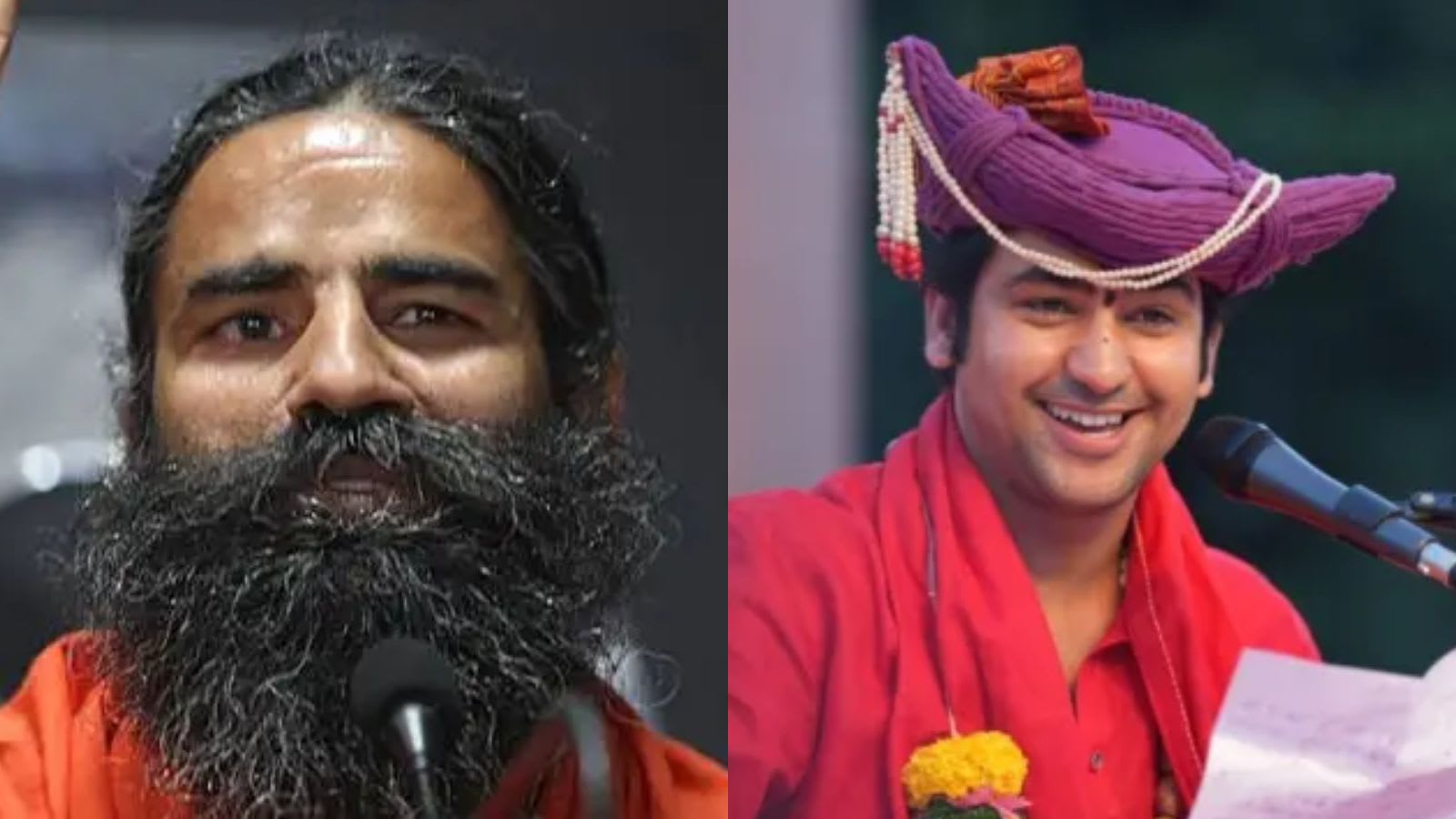
Yoga guru Ramdev has moved to resolve a public disagreement with Bageshwar Dham's Dhirendra Krishna Shastri over controversial remarks comparing Hindu deities. Ramdev clarified that he addressed these concerns directly with Shastri, emphasizing the preservation of Sanatan Dharma traditions.
Resolving Tensions: Ramdev and Dhirendra Krishna Shastri
Yoga guru Ramdev has publicly signaled an end to the recent controversy involving Dhirendra Krishna Shastri, the head of Bageshwar Dham. By addressing the friction that arose from Shastri’s public remarks, Ramdev has attempted to stabilize the discourse within influential religious circles in India. This move is significant given the immense following both figures command and the potential for such ideological disagreements to polarize their respective bases.
The Root of the Disagreement
The conflict originated from statements made by Dhirendra Krishna Shastri that involved comparisons between Lord Ram and Lord Krishna. Such comparisons are often viewed as sensitive within the context of Sanatan Dharma, as they touch upon the theological interpretations of divine figures. Ramdev’s intervention suggests a desire to maintain doctrinal consistency and prevent the fragmentation of traditionalist viewpoints that often form the core of his advocacy.
Ramdev’s Stance on Sanatan Dharma
In his statements from Haridwar, Ramdev articulated that his primary objection was rooted in the preservation of traditional values. He argued that drawing comparisons between deities leads to unnecessary division and, ultimately, the perceived insult of the figures being compared. By framing his critique as a defense of the faith, Ramdev positions himself as a guardian of orthodox practices, asserting that such comparative rhetoric is fundamentally contrary to the tenets of Sanatan Dharma.
Mentorship and Reconciliation
Notably, Ramdev sought to de-escalate the situation by characterizing his relationship with Shastri as that of a mentor to a younger brother or disciple. By describing Shastri as someone he regards "like a son," Ramdev shifts the narrative from a public ideological feud to a private, corrective dialogue. This rhetorical framing is a strategic choice, designed to minimize external speculation while maintaining his authority as a senior figure in the spiritual community.
Broader Implications for Religious Discourse
This reconciliation highlights the evolving dynamics of religious influence in modern India, where digital platforms often amplify controversial remarks by spiritual leaders. Ramdev’s effort to settle the matter privately before bringing it to the public stage underscores the importance of internal consensus-building among religious influencers. Moving forward, this event serves as a case study in how prominent figures navigate the tension between individual expression and the collective identity of their religious traditions.
Conclusion
Ultimately, Ramdev’s mediation serves to suppress a growing controversy that risked alienating segments of the faithful. By asserting his concerns directly to Shastri and publicly announcing a resolution, he has reinforced his role as a stabilizing force within his sphere of influence. The outcome of this interaction suggests that despite differences in approach, there remains a strong drive to maintain unity under the umbrella of shared traditional values.