Boost to rail connectivity in Maharashtra: Railway Minister Ashwini Vaishnaw approves Bhusaval-Nagpur Express train
Source Entity
Anish Mondal
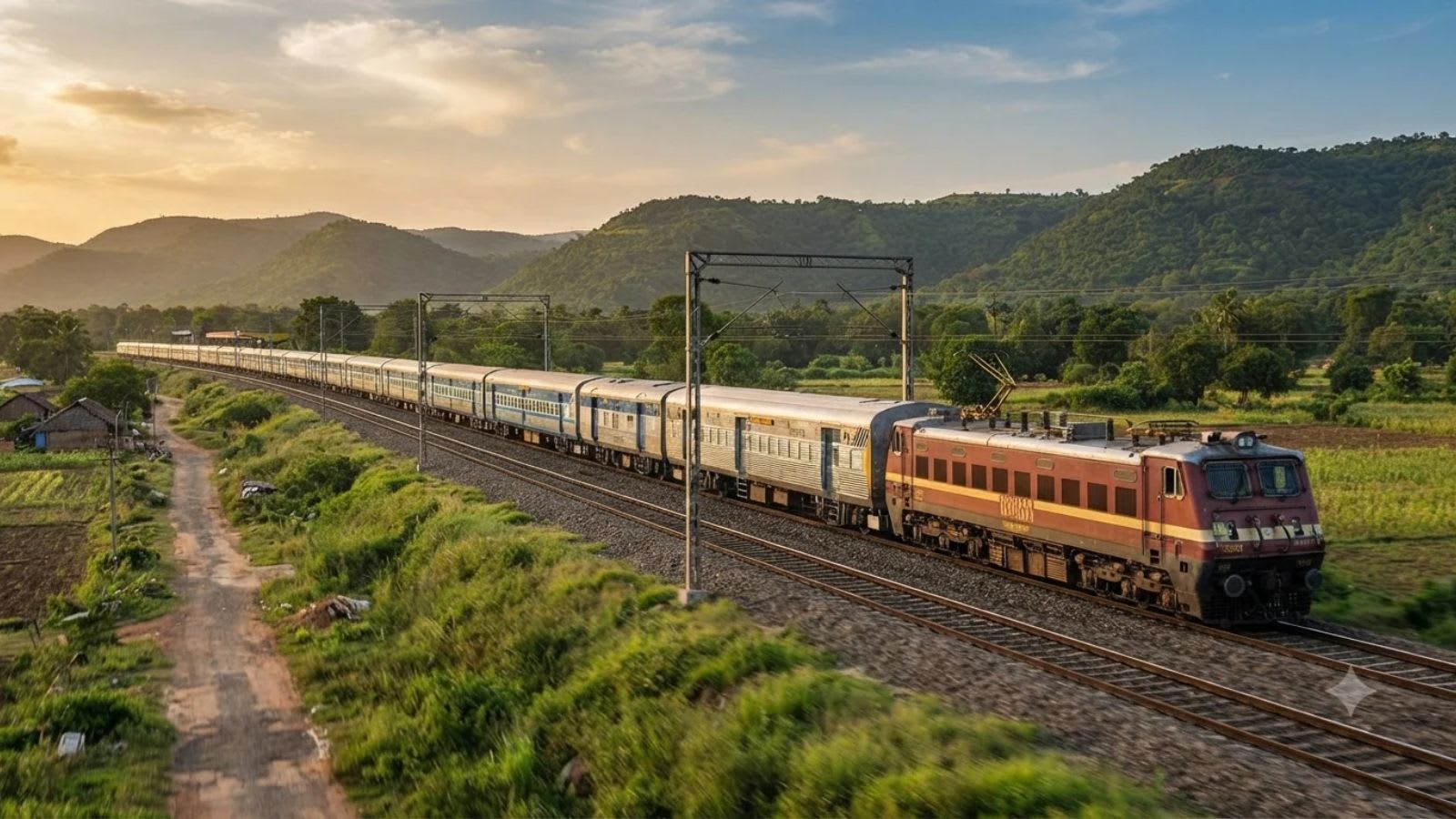
Railway Minister Ashwini Vaishnaw has approved the new Bhusaval-Nagpur Express to enhance regional connectivity in Maharashtra. The service, designated as train number 11111/11112, aims to meet rising passenger demand between these two key cities.
Enhancing Regional Mobility: The New Bhusaval-Nagpur Express
Railway Minister Ashwini Vaishnaw has officially approved the launch of the Bhusaval-Nagpur Express, a significant development for Maharashtra's rail infrastructure. Communicated via a formal letter to Maharashtra Chief Minister Devendra Fadnavis on November 23, 2026, this move marks a strategic effort to bridge the connectivity gap between two vital urban hubs in the state. The introduction of train number 11111/11112 is a direct response to the evolving logistical and transit needs of the region.
Strengthening Infrastructure and Public Amenities
At the core of this decision is the Indian Railways' commitment to augmenting public amenities and fostering regional integration. By establishing a dedicated express service, the government seeks to streamline travel between Bhusaval and Nagpur, two cities that serve as major nodes in Maharashtra’s economic and transport landscape. This expansion aligns with the ministry’s ongoing policy of scaling rail services based on real-time passenger demand and operational feasibility.
Strategic Importance of the Bhusaval-Nagpur Corridor
Bhusaval, a major railway division, and Nagpur, the winter capital of Maharashtra and a central logistics hub, share a critical economic relationship. The decision to initiate this express service reflects the government's recognition of the high volume of passenger traffic between these points. Improved rail connectivity is expected to facilitate easier movement for commuters, traders, and students, thereby driving greater economic cohesion across the northern and eastern regions of the state.
Operational Efficiency and Future Trends
Indian Railways has been aggressively expanding its network and service frequency to cater to a growing population. The approval of the 11111/11112 service serves as a case study in how the ministry utilizes operational data to address specific regional bottlenecks. As passenger expectations for reliable, high-frequency transit continue to rise, the introduction of such express trains is likely to become a standard trend in the ministry’s developmental roadmap for the coming years.
Conclusion: A Step Toward Better Connectivity
Ultimately, the approval of the Bhusaval-Nagpur Express represents a proactive approach to infrastructure governance. By addressing the specific request of state leadership and aligning it with the operational capabilities of the national carrier, the Ministry of Railways is reinforcing its role as the backbone of Indian travel. This new service will undoubtedly serve as a catalyst for improved regional mobility, setting a positive precedent for similar infrastructure projects across the nation.